

Did you know that over 50 million tons of electronic waste are generated globally each year? Shockingly, only about 20% of it is recycled properly. This highlights the urgent need to handle outdated home theater systems responsibly.
Instead of letting your old equipment gather dust, consider options like recycling, reselling, or repurposing. Certified recycling programs ensure safe processing, preventing harmful substances from harming the environment. Selling through online platforms or trade-in programs can also provide a return on your investment while reducing e-waste.
For those who love creativity, repurposing old speakers and components into functional decor is a fantastic way to extend their life. These eco-friendly practices not only reduce waste but also add unique charm to your space.
Key Takeaways
- Recycle your outdated system through certified programs for safe disposal.
- Sell online or trade in your equipment for financial returns.
- Repurpose old speakers and components into creative home decor.
- Proper recycling prevents harmful substances from polluting the environment.
- Extend the life of your equipment through innovative reuse ideas.
Understanding Your Options for Home Theater Equipment
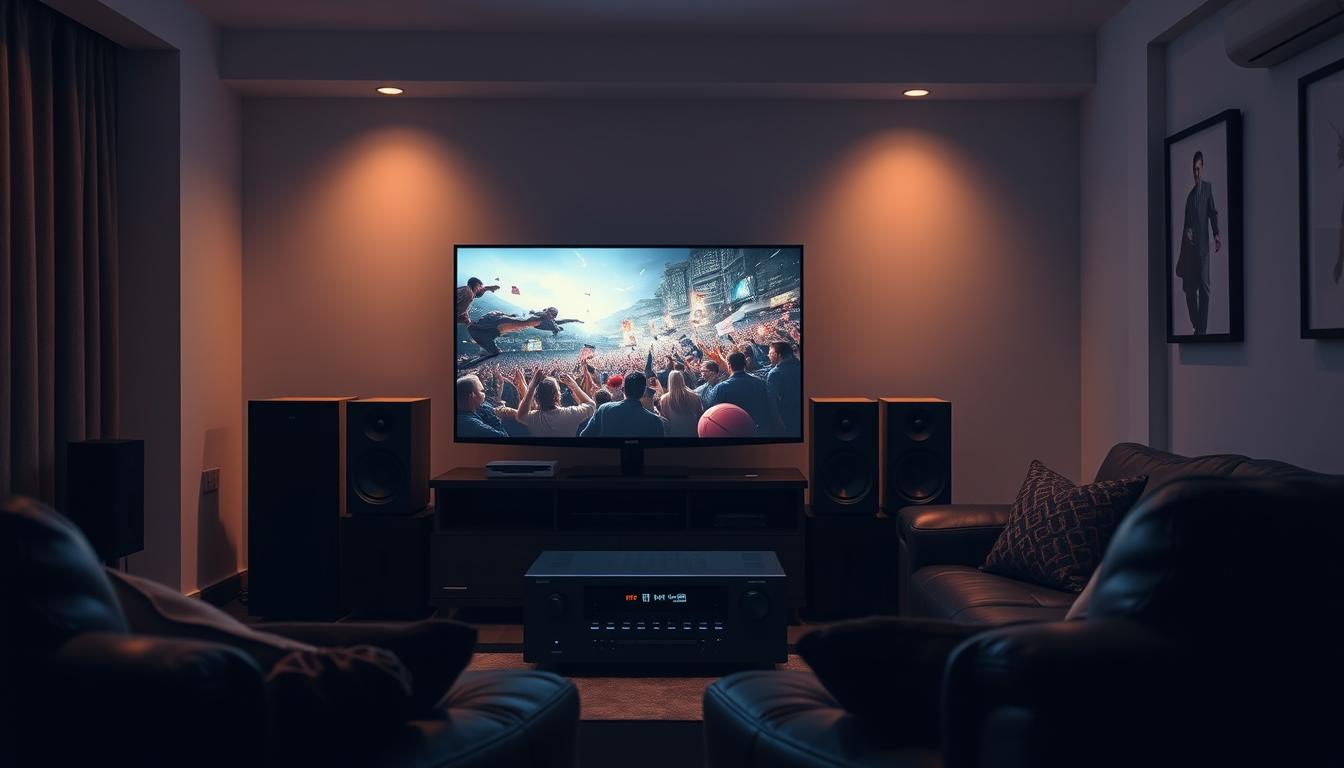
Responsible disposal of electronics can benefit both you and the planet. When it comes to outdated systems, you have several options to explore. Each method offers unique advantages, whether you’re looking to earn money, reduce waste, or support your community.
Exploring the Benefits of Each Method
Selling your unused gear online is a great way to recoup some of its value. Platforms like eBay, Facebook Marketplace or Craigslist make it easy to connect with buyers. Bartering is another option, allowing you to trade for items you need without spending cash.
Reusing components creatively can extend their life. For example, old speakers can be repurposed into unique decor. Donating functional equipment to schools or community centers supports local programs while reducing waste.
Assessing the Environmental Impact
Proper recycling prevents harmful substances from polluting the environment. Many programs collect and process old electronics, ensuring valuable resources are reused. This reduces the need for raw materials and minimizes landfill waste.
Donating equipment also has a positive social impact. It provides access to technology for those who might not afford it otherwise. This fosters community growth and supports educational initiatives.
| Method | Benefits | Environmental Impact |
|---|---|---|
| Selling | Earn money, reduce waste | Extends product life |
| Bartering | Trade for needed items | Reduces consumption |
| Donating | Support community programs | Reduces landfill waste |
| Recycling | Safe disposal, resource recovery | Minimizes pollution |
By choosing the right option, you can make a positive difference. Whether you sell, donate, or recycle, every action contributes to a more sustainable future. For more insights on eco-friendly practices, check out this resource.
What to do with your old Home Theater Equipment: Sell, Barter, or Reuse
Evaluating the state of your gear is the first step toward making an informed decision. Before selling, trading, or donating, assess its condition to determine the best course of action. This ensures you maximize its value and contribute to sustainability.
Evaluating Your Equipment’s Condition
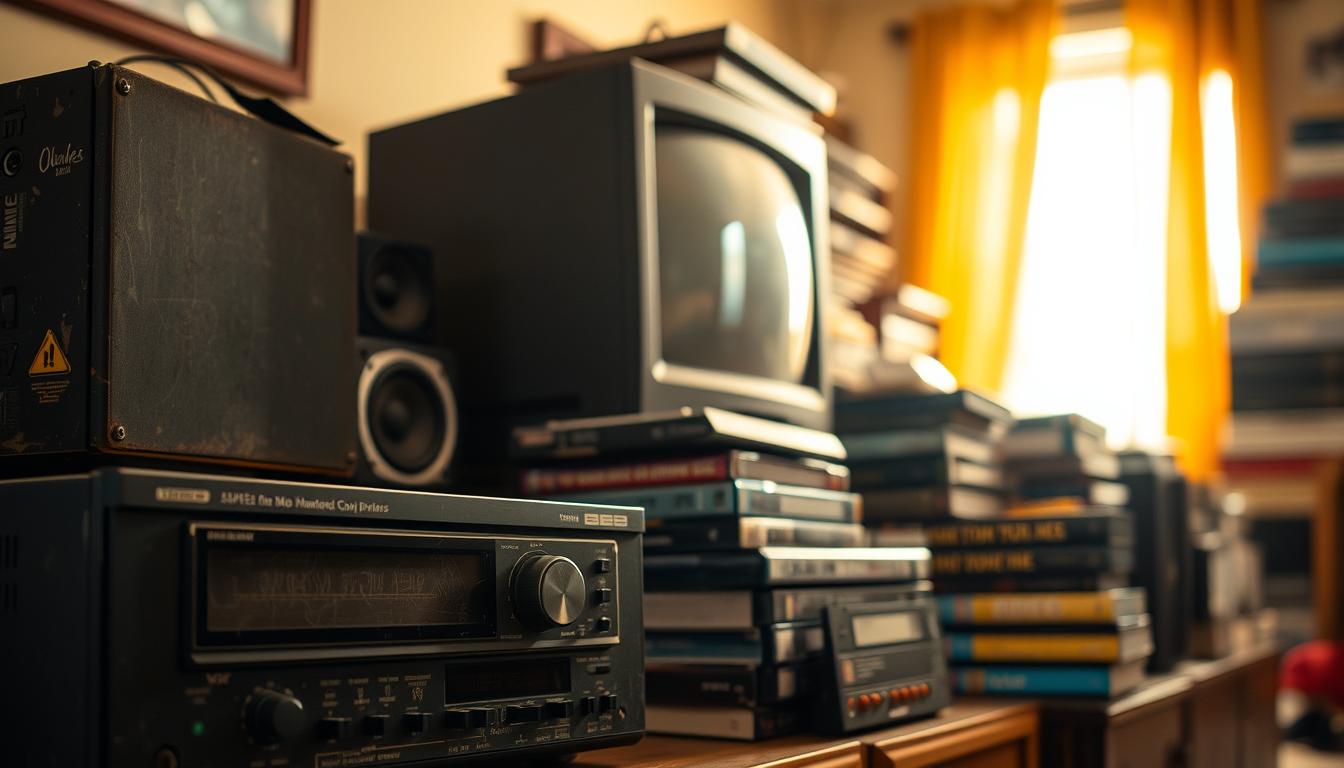
Start by checking each component for functionality. Are the speakers working? Does the receiver power on? A quick test can reveal whether the item is still sellable or better suited for repurposing. Minor issues, like cosmetic wear, may not affect its usability.
Next, consider the age of your equipment. While outdated systems may not fetch top dollar, they can still be valuable to someone in need. Organizations like Goodwill often accept working items, even if they’re partially outdated. This extends their life and supports community programs.
Before donating or selling, ensure all personal data is removed. Perform a factory reset on any devices that store information. This step protects your privacy and prepares the equipment for its next use.
“A careful evaluation can turn outdated gear into a valuable resource for others.”
Finally, research local donation centers or recycling programs. Many organizations accept electronics, ensuring they’re reused or recycled responsibly. By taking these steps, you can make a positive impact while clearing out unused items.
For more tips on managing your setup, check out this guide on connecting streaming devices.
Eco-Friendly Methods for Recycling and Disposal
Properly recycling electronics is essential for protecting the environment and public health. Certified recycling centers and municipal programs ensure hazardous materials like lead and mercury are handled safely. These methods prevent harmful substances from polluting ecosystems and promote resource recovery.
Certified Recycling Centers and Municipal Programs
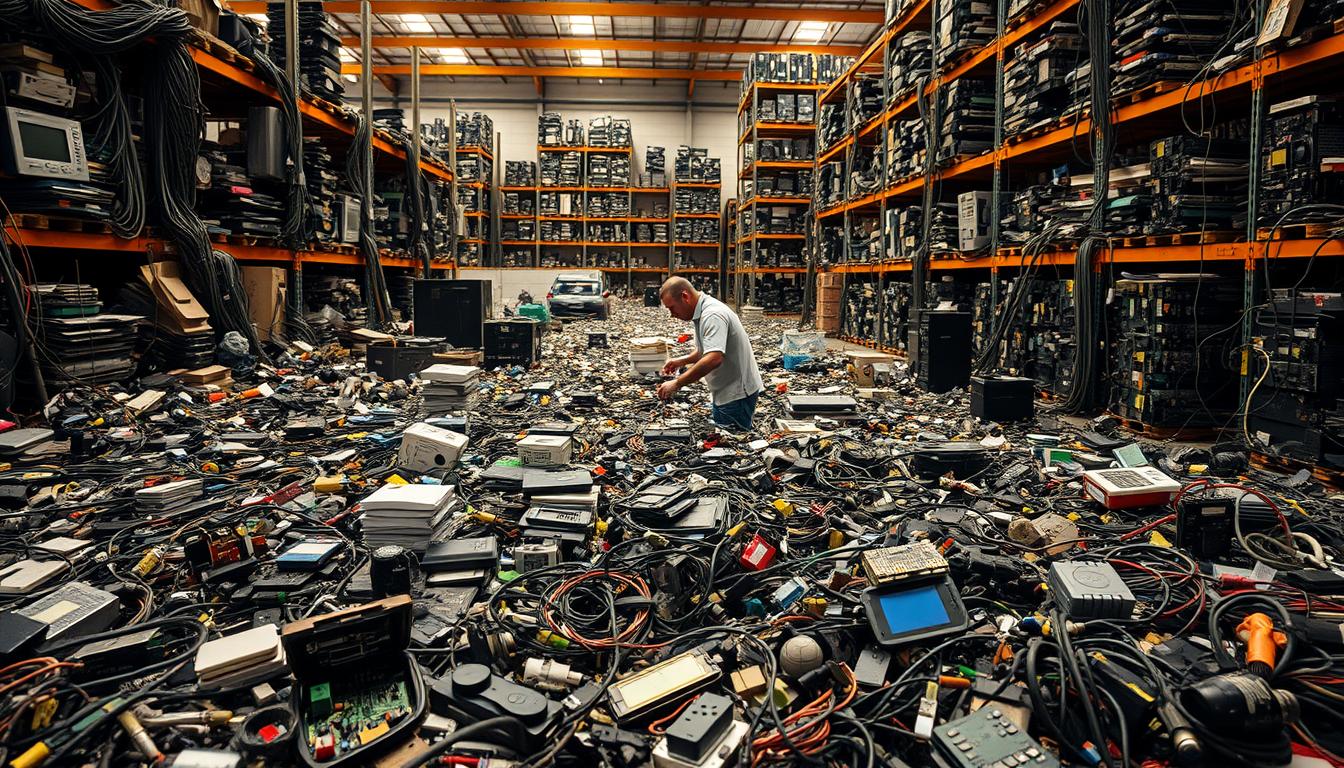
Certified recycling centers follow strict procedures to manage old devices. They safely extract valuable materials like metals and plastics while disposing of toxins responsibly. Many centers also offer convenient drop-off locations for easy access.
Municipal programs often schedule e-waste pickups, making disposal hassle-free. Some communities even provide free collection services. Check local resources to find programs near you. These initiatives ensure your audio equipment is recycled efficiently.
Proper Separation of Components
Experts recommend separating components before recycling. This allows materials like copper, aluminum, and plastic to be repurposed effectively. Proper sorting also reduces processing time and costs.
Start by removing cables, speakers, and other detachable parts. Many recycling centers provide guidelines for this process. Following these steps ensures your equipment is recycled in the most eco-friendly way.
“Recycling electronics responsibly protects both the planet and future generations.”
To locate trusted facilities, use online directories like the EPA’s search tool. These resources help you find certified centers near you. By choosing the right program, you contribute to a cleaner, healthier environment.
Creative Repurposing and Upcycling Ideas
Transform your unused audio gear into functional art with these creative ideas. Instead of letting outdated components gather dust, turn them into unique home accents. This approach not only reduces waste but also adds a personal touch to your space.
Innovative DIY Projects
One good way to repurpose speakers is by converting them into bookshelf sound systems. This project requires minimal tools and can breathe new life into an old item. Another idea is to build retro-inspired radio cabinets using vintage components. These pieces add a nostalgic charm to any room.
For a more functional approach, consider turning speakers into unique furniture pieces. For example, a subwoofer can be transformed into a stylish side table. These projects not only extend the life of your equipment but also reduce junk in landfills.
Environmental and Aesthetic Benefits
Upcycling prevents additional electronic waste while adding creative value to your living space. By repurposing, you contribute to a more sustainable future. Studies show that 80% of electronic waste can be reused or recycled, reducing landfill waste significantly.
“Repurposing old electronics is a win-win for both creativity and sustainability.”
Safe Practices for Modification
When modifying old equipment, ensure you preserve key components that can be reused. For example, keep the wiring intact if you plan to repurpose speakers into sound systems. Always follow safety guidelines to avoid damaging the item or harming yourself.
Integrating Repurposed Items into Modern Decor
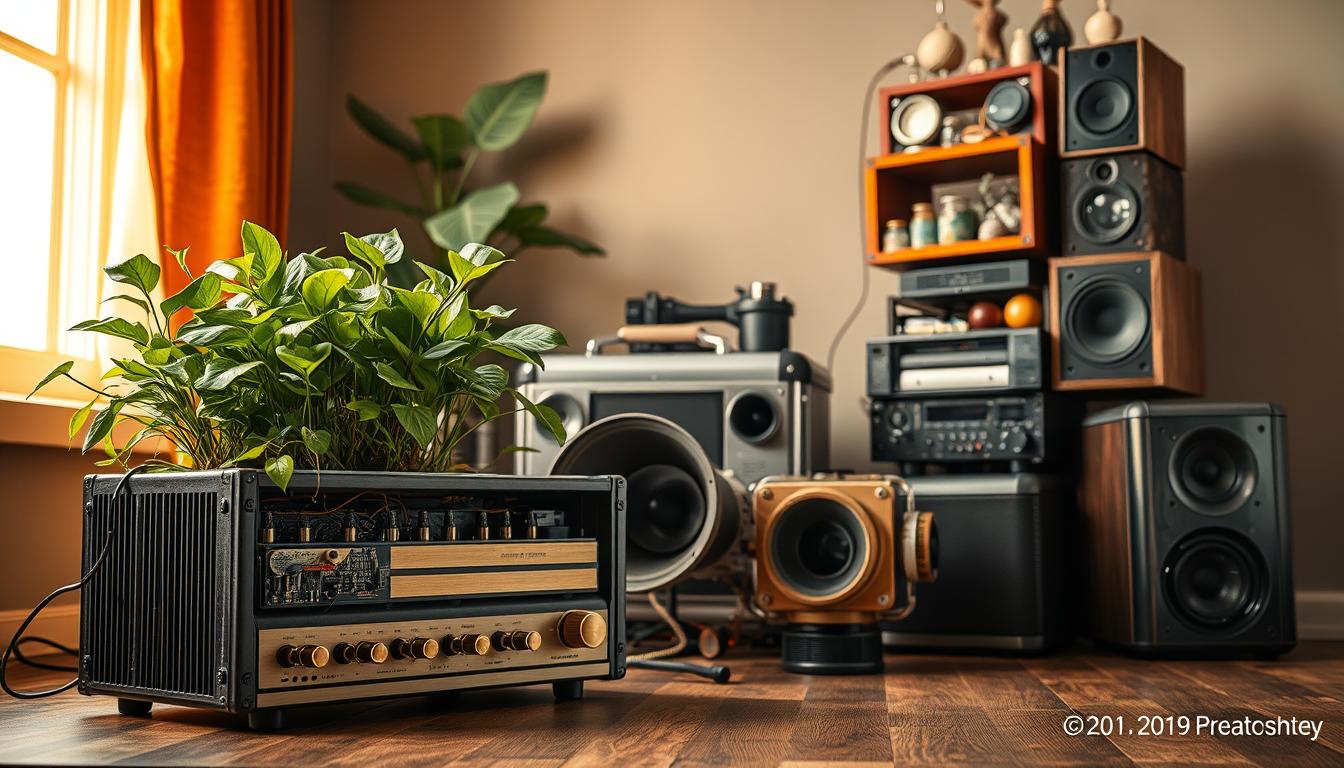
Repurposed items can seamlessly blend into modern home decor. For instance, a speaker turned into a planter can add a green touch to your living room. Combining style with sustainability is easier than you think.
| Project | Materials Needed | Time Required |
|---|---|---|
| Bookshelf Sound System | Speakers, screws, wood | 2-3 hours |
| Retro Radio Cabinet | Vintage components, acrylic sheets | 4-5 hours |
| Speaker Side Table | Subwoofer, wood, paint | 3-4 hours |
By exploring these ideas, you can give your old equipment a second life. Visit a recycling center for parts you can’t use, ensuring responsible disposal. Creativity and sustainability go hand in hand, making your home both stylish and eco-friendly.
Alternative Selling and Trade-In Opportunities
Maximizing the value of your unused gear starts with exploring diverse selling and trade-in opportunities. Whether you’re looking to earn cash or upgrade your setup, there’s a method that fits your needs. From online platforms to local outlets, each option offers unique benefits.
Online Marketplaces and Local Outlets
Selling your equipment online is a popular idea. Platforms like eBay and Craigslist allow you to reach a wide audience. Ensure your listings stand out by including clear images and detailed descriptions. Highlight any unique features or recent upgrades to attract buyers.
Local outlets, such as pawn shops or consignment stores, offer another method. While they may take a percentage of the sale, they provide convenience and immediate cash. Research local options to find the best fit for your needs.
Donation Options for Community Benefit
Donating your equipment is a meaningful way to give it a second life. Schools, community centers, and non-profits often accept functional electronics. This idea not only supports local programs but also reduces waste.
Before donating, ensure your gear is in good working condition. Clean it thoroughly and remove any personal data. This ensures the recipient gets something valuable and ready to use.
| Option | Benefits | Considerations |
|---|---|---|
| Online Marketplaces | Wide audience, potential for higher returns | Requires effort in listing and shipping |
| Local Outlets | Immediate cash, convenience | Lower profit margins |
| Donations | Supports community, tax deductions | No financial return |
By choosing the right method, you can turn your unused equipment into something valuable. Whether you sell, trade, or donate, each option contributes to a more sustainable future.
Conclusion
Taking action with unused electronics can make a real difference. Evaluating the condition of your product helps you choose the best option, whether selling, donating, or recycling. Certified recycling programs ensure safe disposal, protecting the environment and public health.
Creative repurposing ideas, like turning speakers into functional decor, add unique charm to your space. Donating to community organizations supports local programs and offers potential tax benefits. Online marketplaces and local outlets provide convenient ways to sell or trade your gear.
Every method, from recycling to repurposing, contributes to reducing e-waste. Visit a trusted site to explore programs near you. By making thoughtful choices, you can clear out unused items while promoting sustainability.
FAQ
What are the best ways to sell or trade-in old home theater equipment?
You can sell or trade-in your equipment through online marketplaces like eBay or Craigslist, or visit local electronics stores that offer trade-in programs. Ensure your items are in good condition for better value.
How can I recycle my outdated home theater components responsibly?
Locate certified recycling centers or municipal programs in your area. These facilities ensure proper disposal and recycling of electronic waste, minimizing environmental impact.
Are there creative ways to repurpose old home theater equipment?
Yes, you can transform speakers into unique home decor or functional art pieces. Upcycling gives your equipment a new life while reducing waste.
Can I donate my old home theater system to a community organization?
Absolutely. Many non-profits, schools, and community centers accept donations of electronics. This not only benefits others but may also qualify you for a tax deduction.
How do I assess the condition of my home theater equipment before selling or donating?
Inspect each component for functionality and physical damage. Clean the items thoroughly and test them to ensure they work properly before offering them for sale or donation.
What should I do with broken or unusable home theater equipment?
Take it to a certified recycling center. Proper separation of components ensures hazardous materials are disposed of safely, and recyclable parts are reused.
Are there tax benefits for donating home theater equipment?
Yes, donating to a registered non-profit organization may allow you to claim a tax deduction. Keep a receipt and check with a tax professional for eligibility.
What are the environmental benefits of recycling home theater equipment?
Recycling reduces electronic waste, conserves resources, and prevents harmful materials from polluting the environment. It’s a sustainable way to manage outdated electronics.
