Did you know modern TVs are up to 70% lighter than older models? This makes them perfect for DIY projects like creating a wood wall mount. Not only is it a stylish addition to your home, but it’s also a cost-effective solution compared to pre-made options.
Building your own wood mount allows for complete customization. You can choose the size, finish, and design to match your space perfectly. Plus, with tools like stud finders and jigsaws, the process is straightforward and rewarding.
This guide will walk you through planning, materials, measurements, and step-by-step assembly. Whether you’re a seasoned DIYer or a beginner, this project is practical and achievable. Let’s get started on transforming your space with a unique wood wall mount.
Key Takeaways
- Modern TVs are lighter, making DIY mounting easier.
- Building a wood mount is cost-effective and stylish.
- Customization allows for a perfect fit and design.
- Tools like stud finders and jigsaws simplify the process.
- This guide covers planning, materials, and assembly steps.
Planning Your Wooden TV Wall Mount Project
Planning is the cornerstone of any successful DIY project. Taking the time to assess your space and gather the right materials ensures a smooth and safe installation. This step-by-step guide will help you prepare for building a sturdy and stylish mount.
Assessing Your Space and Design Needs
Start by evaluating your room layout. Identify the ideal spot on your wall for the mount. Consider factors like viewing height, distance from seating, and natural light. Measure the available space to ensure it accommodates your TV size.
Use a stud finder to locate the studs in your wall. Mounting to at least two studs is crucial for stability. Mark the positions of the studs and plan where each piece of the mount will go. Accurate measurements now save time and effort later.
Gathering Materials and Tools
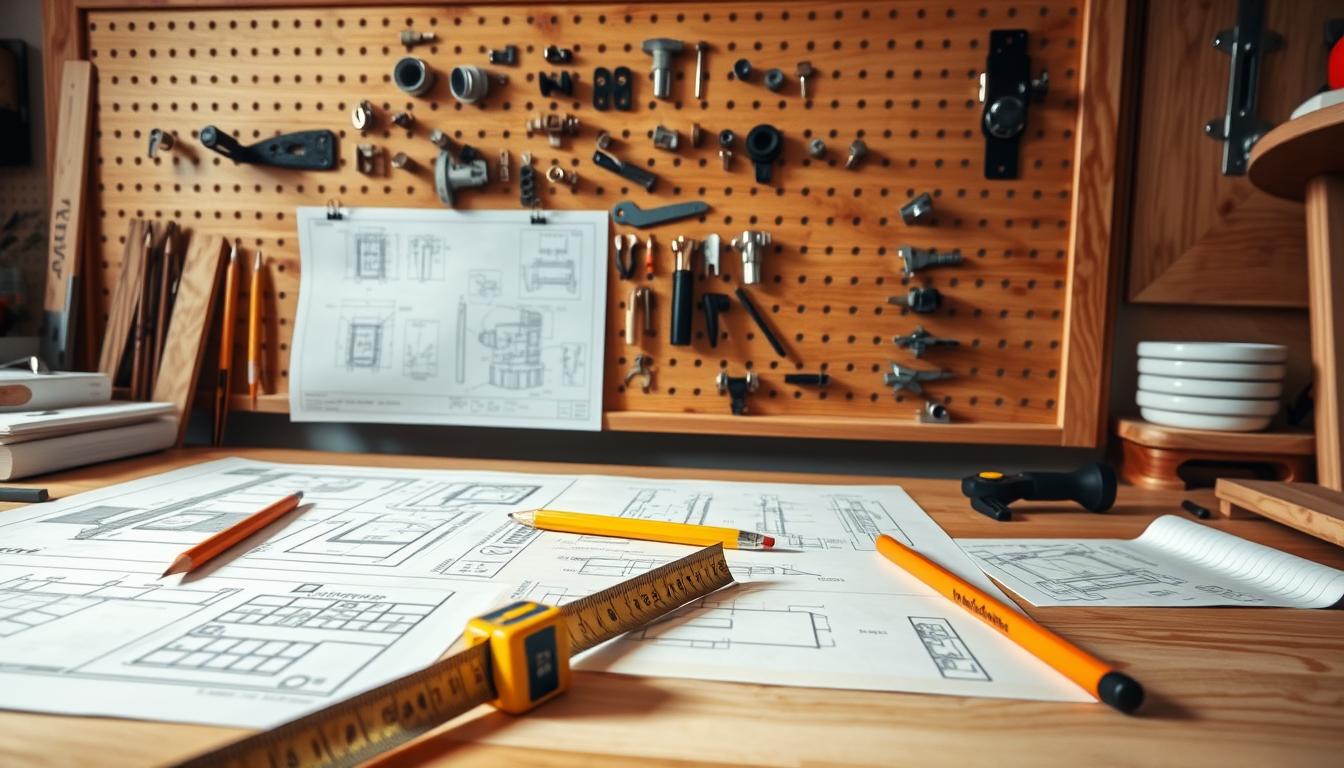
Having the right tools and materials is essential. Here’s a checklist to ensure you’re fully prepared:
| Materials | Tools |
|---|---|
| 3/4″ plywood | Stud finder |
| 1-1/2″ screws | Drill with 1/8″ bit |
| Wood glue | Jigsaw |
| Carriage bolts | Tape measure |
| Clamps | Screwdriver |
Double-check your measurements before cutting any board. Precision ensures a perfect fit and a professional finish. With these steps, you’re ready to move on to the build phase.
Understanding the Basics of TV Wall Mounting
Understanding the basics of mounting ensures both safety and aesthetic appeal. A wooden mount offers a unique blend of functionality and style, making it a popular choice for DIY enthusiasts. This section covers the key benefits, hardware considerations, and safety measures to help you create a secure and visually appealing setup.
Key Benefits of a Wooden TV Mount
Wooden mounts are not only cost-effective but also highly customizable. You can choose the finish, size, and design to match your room’s decor. This flexibility allows you to create a mount that complements your space perfectly.
Another advantage is the natural warmth and texture of wood. It adds a touch of elegance to your wall, enhancing the overall look of your room. Plus, wooden mounts are durable and can support modern, lightweight TVs with ease.
Hardware Considerations and Safety Measures
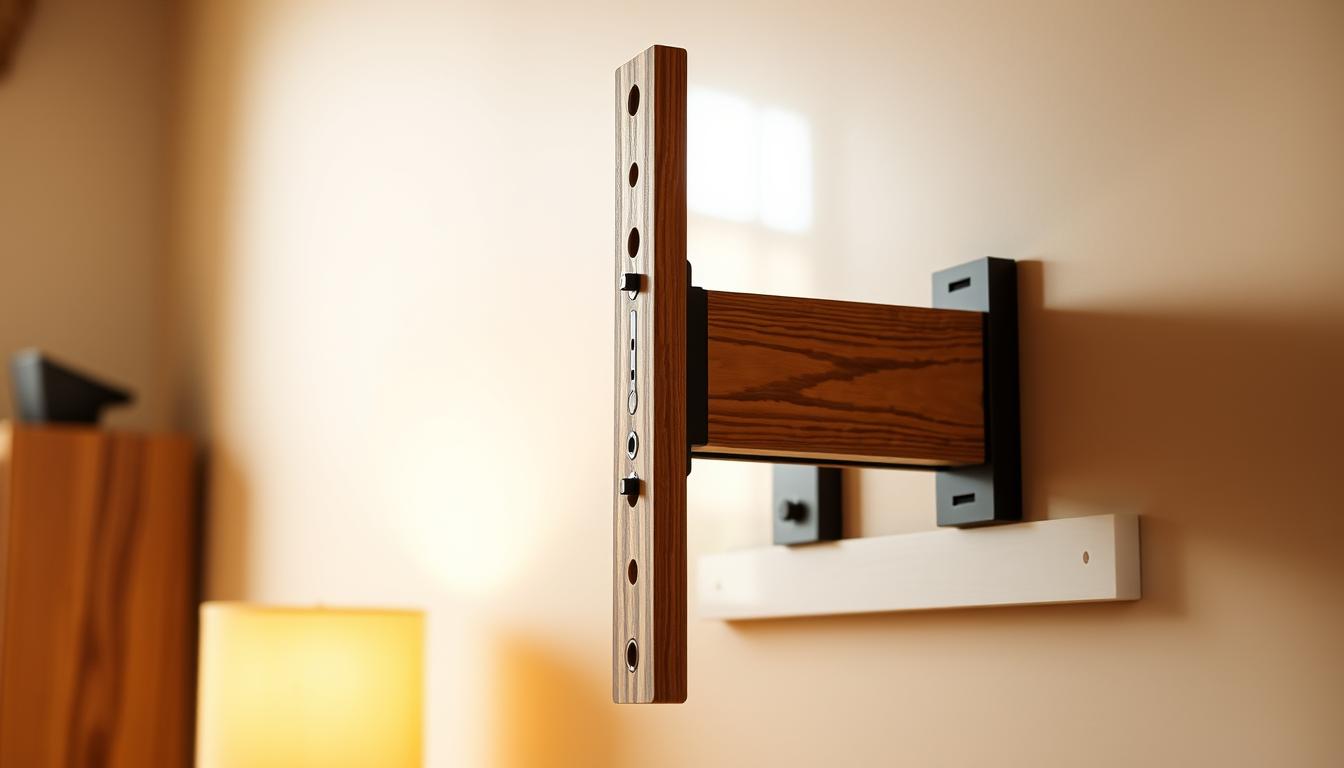
Choosing the right hardware is crucial for a secure installation. Start with sturdy hinges and brackets that can support the weight of your TV. Ensure the screws and bolts are compatible with the thickness of your board and wall.
For stability, always attach the mount to at least two studs. Use a stud finder to locate them accurately. Proper weight distribution is essential to prevent strain on the wall and ensure long-term durability.
Safety is paramount. Follow precise measurements and use high-quality materials. Double-check all connections before mounting your TV. These steps will help you create a secure and stylish setup that lasts for years.
How to Design and Build a Wooden TV Wall Mount
Accuracy is your best friend when crafting a sturdy and stylish mount. Proper planning and precise measurements ensure your project turns out professional and functional. Let’s dive into the steps to create a mount that fits your space perfectly.
Step-by-Step Planning and Measurements
Start by measuring your TV and the wall space. Use a tape measure to determine the exact dimensions. Mark the center of the wall to ensure balanced placement. This step is crucial for alignment and stability.
Next, measure the distance between the mounting holes on your TV. Transfer these measurements to your plywood board. Double-check all numbers to avoid mistakes. Precision here saves time later.
Creating Templates and Marking Mounting Holes
Create a paper template of your TV’s mounting holes. Place it on the plywood and trace the holes with a pencil. This ensures accurate placement and reduces errors.
Use a center marker to align the template perfectly. Mark the spots where you’ll need to drill. This step ensures your mount will fit securely and look polished.
Drilling, Cutting, and Assembling Techniques
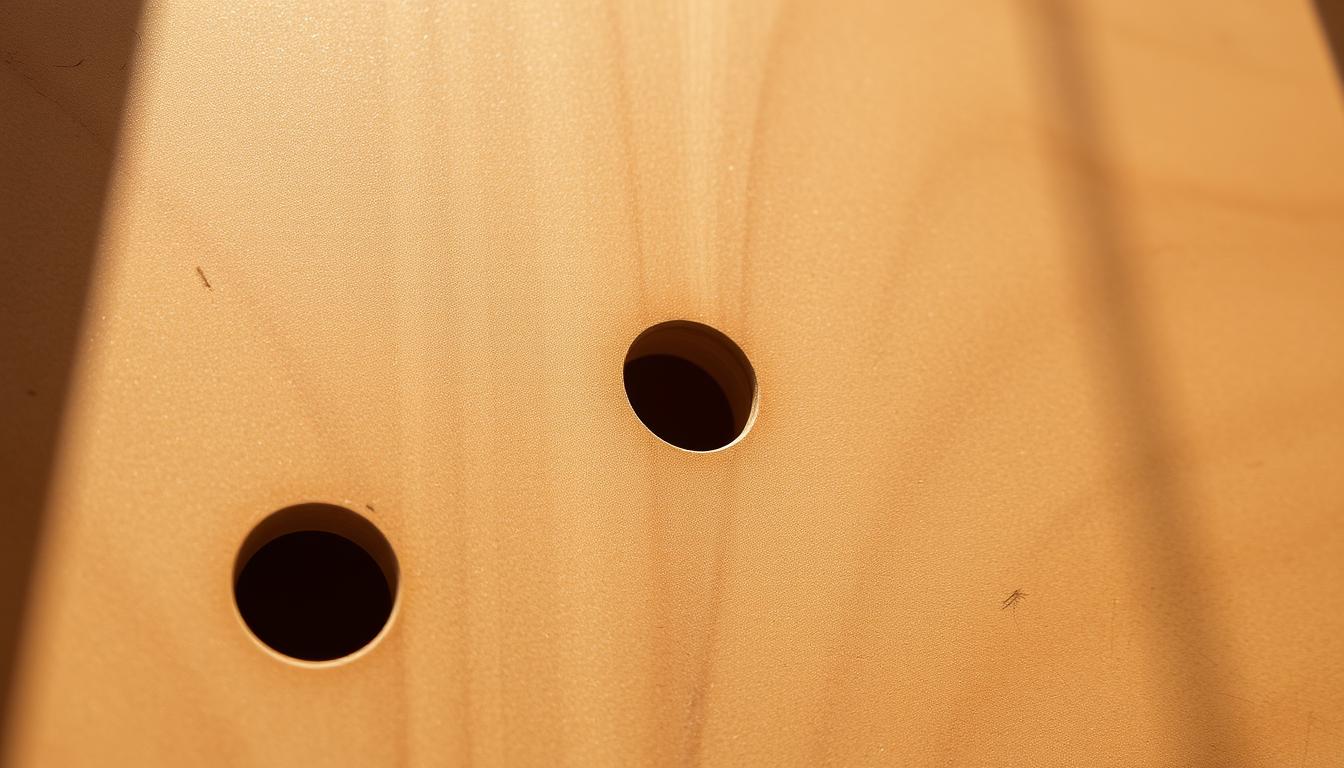
Drill pilot holes using a 1/8″ bit. This prevents the wood from splitting when you insert screws. Use clamps to hold the board steady while drilling.
Cut the plywood to size with a jigsaw. Sand the edges for a smooth finish. Align the hinge pieces carefully and secure them with wood glue and screws.
Finally, assemble the mount by attaching all pieces. Use clamps to hold everything in place while the glue dries. Double-check alignment before finalizing the assembly.
For more tips on DIY projects, check out this guide on creating a DIY riser platform for home theaters.
Advanced Techniques and Customizations
Taking your DIY project to the next level requires advanced techniques and creative customizations. These methods not only improve functionality but also add a polished, professional look to your setup. Let’s explore how to enhance stability, manage cords, and add decorative elements for a seamless finish.
Enhancing Stability with Hinges and Stud Finders
Stability is crucial for any wall-mounted setup. Start by using a stud finder to locate the strongest points in your wall. Attaching the mount to at least two studs ensures it can support the weight of your device securely.
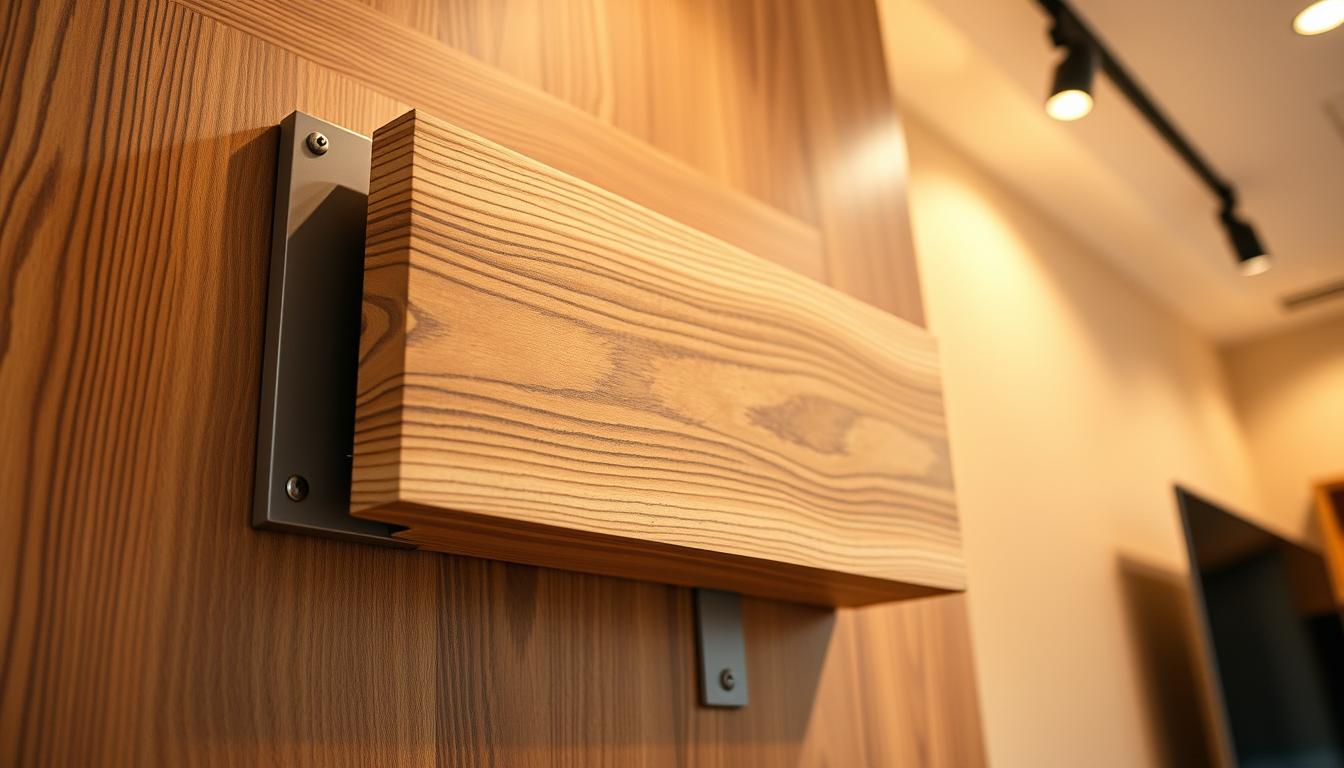
Adding extra hinges can further reinforce the structure. These provide additional support, especially for larger screens. Use heavy-duty screws to attach the hinges firmly to the wood wall. This step prevents wobbling and ensures long-term durability.
Finishing Touches: Stain, Paint, and Cord Management
Once the structure is secure, focus on aesthetics. Applying a stain or paint can transform the look of your mount. Choose a finish that complements your living room decor. For a natural look, opt for a clear stain that highlights the grain of the wood.
Managing cords is essential for a clean, organized appearance. Use cord hiders or create cut-outs in the mount to conceal wires. This not only improves the look but also reduces tripping hazards.
For advanced customization, consider adding a built-in door or frame. These elements can hide cables or even store media devices. A sliding door design adds functionality while maintaining a sleek appearance.
“A well-designed mount blends seamlessly into your space, enhancing both function and style.”
By incorporating these advanced techniques, you can create a mount that’s both sturdy and stylish. Whether you’re adding extra hinges, applying a custom stain, or managing cords, these steps ensure your project stands out.
Troubleshooting and Expert Tips
Even the most experienced DIYers can run into challenges when mounting a TV. Knowing how to address common issues ensures a smooth installation. This section provides practical advice to help you avoid mistakes and make adjustments as needed.
Common Pitfalls to Avoid
One of the most frequent mistakes is misaligned holes. Always double-check your measurements before drilling. Use a level to ensure everything is straight. This saves a lot of time and frustration later.
Another issue is unstable attachment to studs. Make sure you locate at least two studs for secure mounting. If your wall type is tricky, like plasterboard, consider using anchors for extra support.
Improper hardware is another common problem. Use screws and brackets that match your TV’s weight and size. This prevents strain on the wall and ensures long-term stability.
Adjustments for Different TV Sizes and Wall Types
Different TVs and walls require specific adjustments. For larger screens, use a full-motion mount. This allows flexibility in viewing angles and reduces strain on the wall.
For smaller TVs, a fixed mount works well. Ensure the VESA pattern matches your TV’s mounting holes. This ensures a secure fit and prevents wobbling.
Here’s a quick guide to help you choose the right setup:
| TV Size | Mount Type | Wall Type |
|---|---|---|
| Up to 32 inches | Fixed | Wood studs |
| 32 to 55 inches | Tilting | Drywall with anchors |
| 55 inches or more | Full-motion | Brick or concrete |
Periodic checks are essential. Over time, screws may loosen, and brackets may shift. Inspect your setup every year to ensure everything remains secure.
If things don’t go as planned, don’t panic. Small adjustments can fix most issues. Learning from mistakes is a key part of the DIY process.
Conclusion
Creating your own wood wall mount is a rewarding project that combines functionality with style. By following the step-by-step guide, you ensure a secure and attractive setup. From planning to advanced customizations, each step is designed to help you achieve professional results.
Using quality materials and proper techniques is essential. This guarantees durability and enhances the overall look of your living room. The flexibility of a DIY solution allows you to personalize the mount to fit your space perfectly.
Remember to apply the troubleshooting tips and expert advice shared earlier. This project can be adapted for varying sizes and customized to suit your needs. For more insights on mounting setups, check out this guide on mounting a TV above a fireplace.
Share your completed project and learn from the experience. This not only improves your skills but also inspires others to take on similar DIY challenges.
FAQ
What tools are essential for building a wooden TV wall mount?
You’ll need a stud finder, drill, screws, measuring tape, level, saw, and sandpaper. Optional tools include a hinge for adjustable mounts and a cord management system.
How do I ensure the mount is securely attached to the wall?
Use a stud finder to locate wall studs and anchor the mount with heavy-duty screws. Double-check the level to ensure stability and prevent accidents.
Can I customize the mount to fit my TV size?
Yes, measure your TV’s dimensions and adjust the wooden frame accordingly. Templates can help mark precise mounting holes for a perfect fit.
What type of wood is best for a TV wall mount?
Plywood or solid wood like oak or maple are durable options. Choose a material that matches your room’s aesthetic and supports your TV’s weight.
How do I manage cords for a clean look?
Use cord clips or a built-in channel in the mount to hide cables. This keeps your living room organized and visually appealing.
Can I stain or paint the wooden mount?
Absolutely. Apply a wood stain or paint to match your decor. Ensure the finish is smooth and even for a professional appearance.
What safety measures should I consider during installation?
Always secure the mount to wall studs, use proper hardware, and double-check weight limits. Avoid placing the TV near heat sources or in unstable areas.
How do I adjust the mount for different wall types?
For drywall, use anchors or toggle bolts. For concrete or brick walls, masonry screws and a hammer drill are necessary for secure installation.
Can I add hinges for an adjustable mount?
Yes, hinges allow you to tilt or swivel the TV. Ensure they are sturdy and properly aligned to support the TV’s weight without sagging.
What are common mistakes to avoid during the project?
Avoid incorrect measurements, using weak hardware, or skipping the stud finder. Always test the mount’s stability before mounting your TV.