Did you know that custom stands can improve sound quality by up to 30%? Creating your own lightweight solution not only saves money but also ensures a perfect fit for your setup. Using wood and simple tools, you can craft a frame that enhances performance and complements your space.
This guide walks you through the process step by step. From measuring and cutting timber to gluing and assembling, every detail matters. Accurate measurements and the right materials are key to building a stable and functional stand.
You’ll learn how to create a frame that prevents warping and ensures durability. The process includes sanding for a smooth finish and adding finishing touches for stability. By the end, you’ll have a stand that’s both practical and stylish.
Key Takeaways
- Custom stands improve sound quality and fit your space perfectly.
- Using wood and simple tools saves money and allows for personalization.
- Accurate measurements and the right materials are essential for stability.
- The process includes cutting, gluing, sanding, and assembling.
- A well-designed frame enhances performance and durability.
Getting Started with Your DIY Speaker Stand Project
Customizing your audio setup starts with the right foundation. A well-planned design ensures your project enhances both sound quality and aesthetics. By selecting the correct piece of material and preparing each component carefully, you can achieve a stable and functional result.
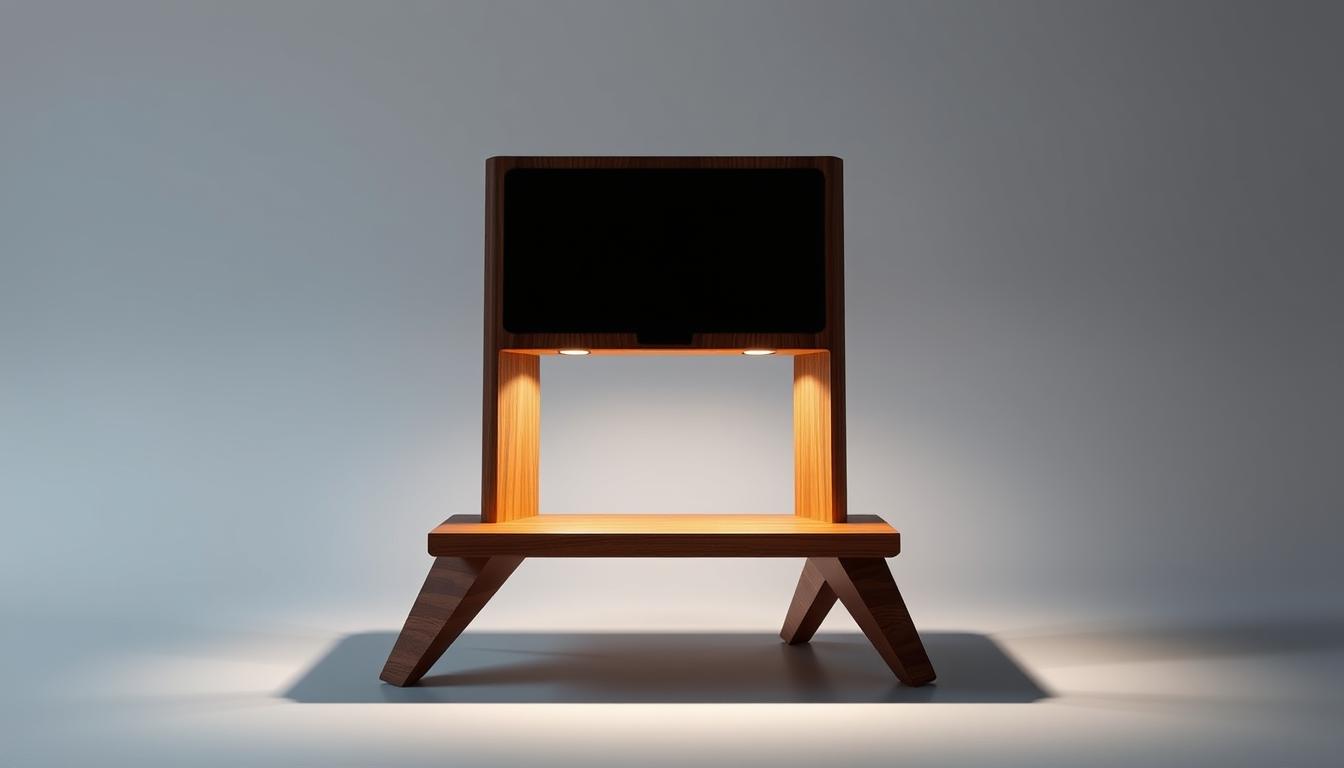
Understanding the Benefits of Custom Speaker Stands
Tailored stands offer unique advantages. They fit your space perfectly and improve sound clarity. A sturdy base is critical for stability, ensuring your setup remains secure. Every case is different, so planning for your specific room layout is essential.
Essential Tools and Safety Gear
To begin, gather the right tools. A miter saw, clamps, and wood glue are indispensable. Make sure you have safety gear like gloves and goggles to protect yourself during the process. Here’s a quick guide to the essentials:
| Tool | Purpose |
|---|---|
| Miter Saw | Precise cutting of timber |
| Clamps | Holding pieces in place during assembly |
| Wood Glue | Securing joints for durability |
| Safety Gear | Protection during cutting and assembly |
With the right tools and a clear plan, you’re ready to create a stand that combines functionality and style. Take your time to verify each step for the best results.
Planning Your Design and Layout
The foundation of a great audio setup lies in careful planning and precise measurements. Before you start, take the time to measure your speakers and the available space. This ensures your final product fits perfectly and enhances sound quality.

Measuring Speaker Dimensions and Space Requirements
Accurate measurements are critical for an optimal layout. Start by measuring the height, width, and depth of your speakers. Then, assess the space where the stand make will be placed. Consider factors like distance from walls and furniture to avoid sound distortion.
For example, the ideal tweeter height for ear-level placement ranges from 24-28 inches for low-seated couches to 42-48 inches for elevated bar stools. Keep speakers at least 2 feet from walls to minimize reflections and ensure balanced sound distribution.
Choosing the Right Wood and Materials
Selecting high-quality materials is essential for durability and performance. Plywood and MDF are popular choices due to their rigidity and cost-effectiveness. Use a dowel for added stability in the frame.
Here’s a quick comparison of materials:
| Material | Pros | Cons |
|---|---|---|
| Plywood | High rigidity, easy to work with | More expensive than MDF |
| MDF | Affordable, smooth finish | Heavier, less durable |
| Solid Wood | Premium look, durable | Expensive, prone to warping |
By following these steps, you can create a speaker stand that combines functionality and style. A solid plan ensures both structural integrity and optimal acoustical performance.
Cutting and Preparing Your Timber Pieces
Precision is key when preparing timber for your audio setup. Accurate cuts ensure a stable frame that enhances both functionality and aesthetics. Start by organizing your room to create an efficient cutting station. This allows you to work comfortably and avoid mistakes.

Techniques for Accurate Cuts
Using a miter saw with a stop block ensures repeatable and precise cuts. Measure twice and cut once to avoid wasting materials. For angled cuts, mark the timber carefully and use a protractor for accuracy. This method prevents splintering and ensures a smooth finish.
When working with dowels, perform flush cuts to maintain even edges. A sharp handsaw or flush-cut saw works best for this task. Take your time to verify each measurement before cutting. This attention to detail pays off in the final assembly.
Handling Angled and Flush Cuts
Angled cuts require patience and the right tools. Use a miter saw set to the correct angle for clean results. For flush cuts, ensure the blade is sharp and the timber is securely clamped. This prevents uneven edges and splintering.
Proper glue application during preparation eases the assembly process. Apply a thin, even layer to each joint for maximum adhesion. Allow the glue to set according to the manufacturer’s instructions. This ensures a strong and durable frame.
“Accuracy in cutting is the foundation of a stable and functional frame.”
Here are some tips to ensure success:
- Use a stop block for repeatable cuts.
- Secure timber with clamps to prevent movement.
- Double-check measurements before cutting.
- Apply glue evenly for strong joints.
By following these steps, you’ll create a frame that fits your room perfectly. For more tips on optimizing your audio setup, check out this guide on how to hook up home theater.
Constructing the Frame and Gluing Process
Building a sturdy frame is the backbone of any successful audio setup. The process involves assembling rectangular pieces of timber and securing them with high-quality glue. Proper clamping ensures the frame remains stable and durable over time.
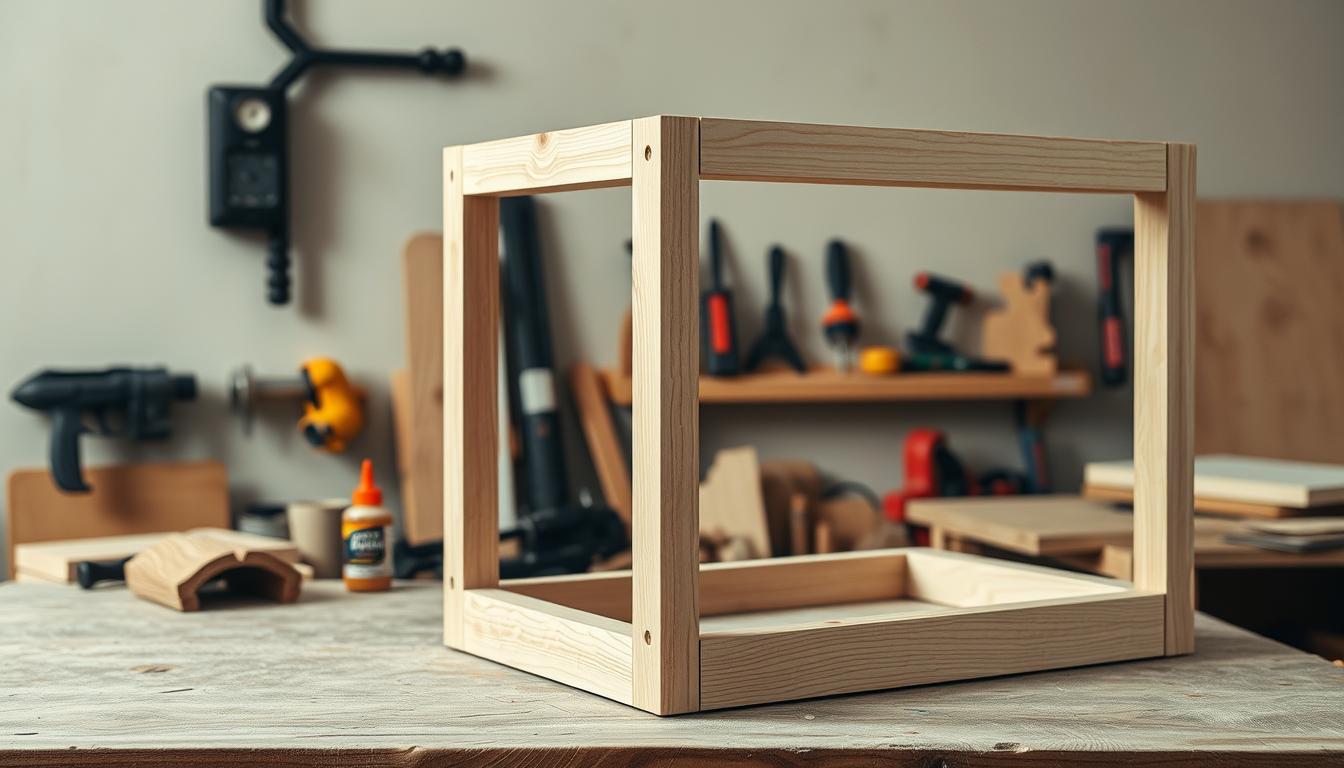
Assembling Rectangular Frames
Start by arranging the timber pieces into a rectangular shape. Use a miter saw to ensure precise cuts for each corner. This step is crucial for maintaining the frame’s height and overall balance.
Apply wood glue to the joints, ensuring even coverage. Quality material and proper glue application result in a durable frame that can support the weight of your setup. Align the top and bottom edges carefully to avoid any difference in height.
Clamping and Waiting Times
Once the frame is assembled, use clamps to hold the pieces together. Proper clamping techniques ensure the glue bonds effectively. Allow the frame to dry for the recommended time, usually 24 hours, for maximum strength.
Here’s a comparison of clamping techniques:
| Technique | Benefits |
|---|---|
| Corner Clamps | Ensures precise 90-degree angles |
| Bar Clamps | Provides even pressure across long joints |
| Spring Clamps | Quick and easy for smaller projects |
By following these steps, you’ll create a frame that’s both functional and stable. Proper alignment of the top and bottom ensures the final product is balanced and ready for the next steps.
DIY Wooden Speaker Stands for Perfect Sound Placement
Creating a stable and durable structure for your audio setup requires attention to detail and precision. This section focuses on reinforcing the frame by inserting dowels and enhancing stability with wood glue and clamps. Proper techniques ensure your system remains secure and functional.

Inserting and Securing Dowels
Start by marking the center of each corner where the dowels will be inserted. Use a punch or awl to create a guide for drilling. This ensures the hole is precise and aligned.
Drill the holes to the correct depth, ensuring they match the dowel size. Apply wood glue to both the dowel and the hole for a secure fit. Gently tap the dowel into place using a mallet, avoiding excessive force to prevent splitting.
Enhancing Stability with Wood Glue and Clamps
Once the dowels are in place, apply additional wood glue to the joints. Use clamps to hold the frame together while the glue sets. This step ensures the structure remains stable and durable.
Allow the glue to dry completely before removing the clamps. This ensures the frame is strong enough to support your system without shifting or wobbling.
“Precision in drilling and securing dowels is the key to a long-lasting and stable frame.”
Here’s a quick guide to ensure success:
- Mark the center of each corner accurately.
- Drill holes to the correct depth and diameter.
- Apply wood glue to both dowels and holes.
- Use clamps to hold the frame while the glue dries.
By following these steps, you’ll create a sturdy frame that fits your space perfectly. This ensures your home audio setup delivers optimal performance and stability.
Attaching Panels and Integrating Weights
Achieving optimal performance in your audio setup hinges on precise alignment and strategic weight placement. This step ensures your frame is both stable and visually appealing. Proper techniques here make a lot of difference in the final product.
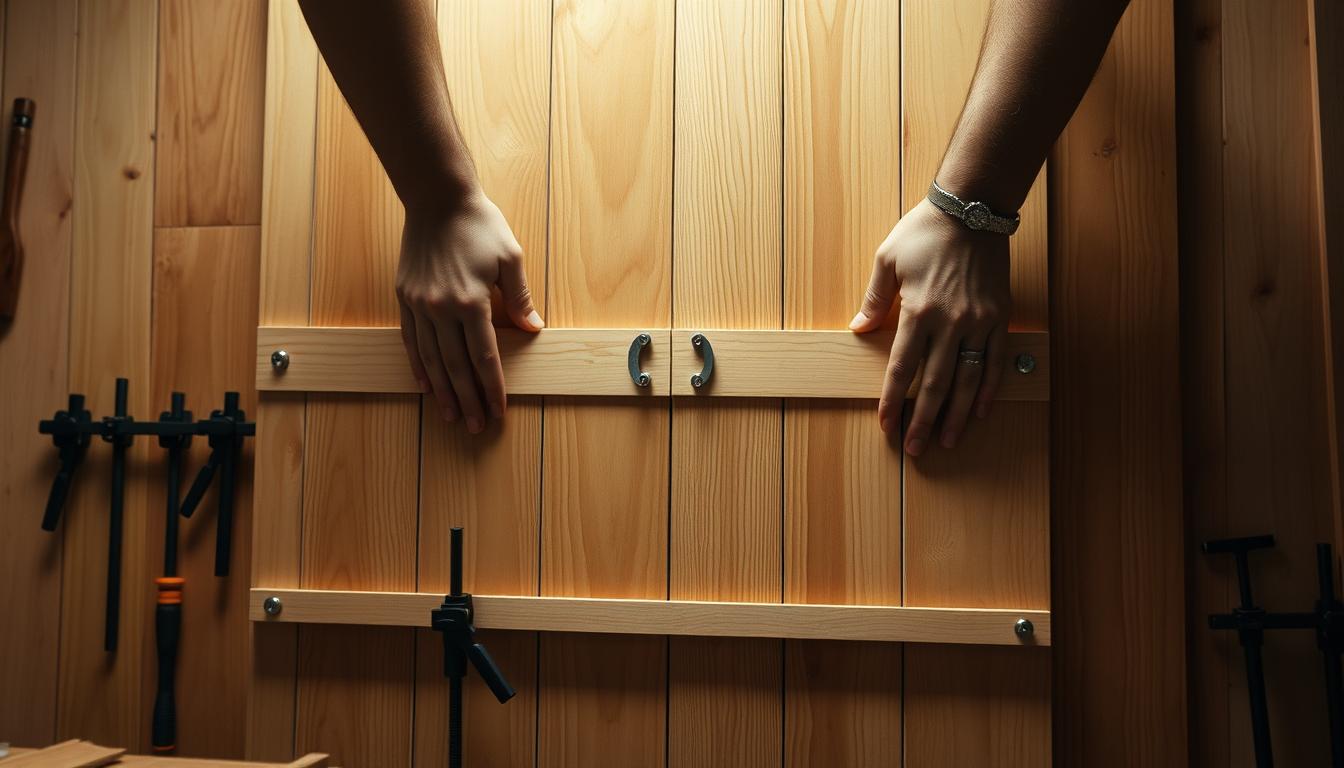
Methods for Aligning Top and Bottom Panels
Start by centering the top and bottom panels on the frame. Use precise measurements to ensure even alignment. Mark the positions carefully to avoid any imbalance.
For the top panel, measure the distance from each edge to the center. Repeat this for the bottom panel. Double-check all measurements before attaching the panels. This ensures a balanced and professional look.
Here’s a quick guide to aligning panels:
- Measure the frame’s width and height.
- Mark the center points for both panels.
- Use clamps to hold panels in place during attachment.
- Verify alignment with a level tool.
Optimizing Weight Placement for Stability
Integrating weights is crucial for lowering the center of mass. This enhances stability and prevents tipping. A 2kg weight is often ideal for this purpose.
Place the weight at the bottom of the frame to maximize stability. Secure it firmly to prevent movement. This step ensures your setup remains steady, even during intense use.
Here’s why weight placement matters:
- Lowers the center of mass for better balance.
- Prevents wood movement due to seasonal changes.
- Enhances overall sound clarity by reducing vibrations.
“One well-aligned panel can significantly improve both stability and sound quality.”
By following these steps, you’ll create a frame that’s both functional and visually appealing. Precise measurements and strategic weight placement ensure optimal performance for your audio setup.
Adding Feet for Elevated Sound Positioning
Elevating your audio setup begins with the right feet. Properly designed feet not only enhance stability but also improve sound quality by minimizing vibrations. Choosing the right design ensures your setup remains balanced and visually appealing.

Selecting the Right Foot Design
When choosing feet for your speaker stands, consider both functionality and aesthetics. A well-designed block ensures stability while complementing the overall look. Here are some key factors to keep in mind:
- Material: Wooden feet offer a classic look, while rubber or spike feet provide additional vibration control.
- Height: Ensure the feet elevate the stand to the desired level for optimal sound projection.
- Budget: Repurposed materials like wooden blocks can be cost-effective without compromising quality.
One common question is whether to use spike or rubber feet. Spike feet are ideal for carpeted surfaces, as they penetrate the fibers for better stability. Rubber feet work well on hard surfaces, preventing scratches and reducing vibrations.
“The right feet can make all the difference in achieving a stable and balanced audio setup.”
Attaching Feet for Stability
Once you’ve selected the right feet, the attachment process is straightforward. Start by marking the positions on the bottom of the stand. Use screws or adhesive to secure the feet firmly in place.
Here’s a simple guide to attaching feet:
- Measure and mark the positions for each foot.
- Pre-drill holes to prevent splitting if using screws.
- Secure the feet with screws or strong adhesive.
- Check for levelness and adjust if necessary.
By integrating the feet into your design, you ensure the setup remains elevated and stable. This step not only enhances performance but also adds a polished finish to your project.
Finishing Touches and Customization
The final steps of your project are where craftsmanship truly shines. This phase transforms raw materials into a polished masterpiece, ensuring both durability and aesthetic appeal. By focusing on sanding, staining, and sealing, you can achieve a professional look that enhances both form and function.
Sanding, Staining, and Sealing Techniques
Start by sanding the entire surface with 120-grit sandpaper. This removes rough edges and prepares the board for staining. Work in the direction of the grain to avoid scratches. For a smooth finish, progress to finer grits like 220.
Apply a transparent stain like Minwax to enhance the natural beauty of the wood. Use a brush or cloth for even coverage. Allow the stain to dry completely before sealing. Multiple coats of polyurethane provide a durable finish that protects against moisture and wear.
Tips for a Polished and Professional Look
Uniformity is key to a professional finish. Ensure every board is sanded and stained evenly. Use clamps to hold pieces in place during drying to prevent misalignment. This attention to detail ensures a cohesive and polished result.
Here’s a quick guide to perfecting your finish:
- Sand thoroughly with 120-grit sandpaper, progressing to finer grits.
- Apply stain evenly and allow it to dry completely.
- Seal with multiple coats of polyurethane for durability.
- Use clamps to maintain alignment during finishing.
“A well-finished piece not only looks stylish but also performs better acoustically.”
By taking your time during these final steps, you reinforce the looks and performance of your project. A polished finish ensures your creation stands out while providing long-lasting durability.
Conclusion
Crafting a custom audio setup involves attention to detail and strategic choices. From precise measurements to selecting high-quality materials, every step ensures a professional style and optimal performance. Adding weight to the base enhances stability, while maintaining the correct angle improves sound clarity and reduces vibration.
Careful planning and execution are key to achieving the desired degree of quality. Whether aligning panels or attaching feet, each detail contributes to a polished and functional result. Revisit any step as needed to ensure every component meets your standards.
By focusing on these elements, you create a setup that enhances your audio system. Every choice, from design to finishing touches, plays a crucial role in achieving the best performance. Complete your project confidently, knowing each detail has been thoughtfully considered.
FAQ
What are the benefits of building custom stands?
Custom stands allow you to tailor the height, design, and material to match your room’s aesthetics and your audio system’s needs. They also help reduce vibrations and improve sound quality.
What tools do I need to start this project?
Essential tools include a saw, clamps, wood glue, a drill, and sandpaper. Safety gear like gloves and goggles is also recommended to protect yourself during construction.
How do I measure my space and speaker dimensions?
Measure the height, width, and depth of your speakers. Then, assess the available floor space in your room to ensure the stands fit comfortably without obstructing movement.
What type of wood is best for speaker stands?
Hardwoods like oak or maple are durable and stable, while plywood is a budget-friendly option. Choose a material that balances weight, strength, and your desired finish.
How do I ensure accurate cuts for the frame?
Use a miter saw for precise angled cuts and a circular saw for straight edges. Always double-check measurements before cutting to avoid errors.
What’s the best way to assemble the frame?
Start by gluing the corners of the rectangular frame. Use clamps to hold the pieces in place while the glue dries, ensuring a sturdy and even structure.
How do I insert and secure dowels?
Drill holes slightly smaller than the dowel diameter. Apply wood glue to the dowels and insert them into the holes, then clamp the pieces together until the glue sets.
How can I add weight for stability?
Place sandbags or metal weights inside the base of the stand. This helps lower the center of gravity and reduces vibrations during playback.
What type of feet should I use for the stands?
Rubber or felt feet are ideal for protecting your floor and minimizing vibrations. Choose a design that complements the stand’s overall style.
How do I finish the stands for a polished look?
Sand the surface smooth, apply a stain or paint of your choice, and seal it with a clear coat. This protects the wood and enhances its appearance.