Did you know that reclaimed wood can transform a simple audio project into a stunning piece of craftsmanship? This guide introduces you to the process of creating a unique speaker enclosure that blends nostalgic design with modern techniques. Whether you’re a seasoned DIY enthusiast or a beginner, this project offers a rewarding experience.
Using materials like chipboard and scrap wood, you’ll learn how to craft a durable and aesthetically pleasing enclosure. The process involves careful planning, precise cutting, and aligning components like the driver for optimal sound quality. Each step is crucial to ensure the final product meets your expectations.
This project isn’t just about functionality; it’s about creating something that reflects your personal style. By following this guide, you’ll gain insights into the technical and creative aspects of the build. Let’s dive into the details and bring your idea to life.
Key Takeaways
- Learn how to blend reclaimed wood with modern techniques for a unique design.
- Understand the importance of precise planning and component alignment.
- Discover the creative reuse of materials like chipboard and scrap wood.
- Gain insights into the technical steps required for a successful build.
- Create a functional and stylish piece that reflects your personal taste.
Project Overview and Inspiration
What makes vintage audio equipment so timeless in today’s world? The answer lies in its unique blend of craftsmanship and nostalgia. Classic designs like the Klipsch Heresy have left a lasting legacy, inspiring modern DIY enthusiasts to recreate their magic. This project is your chance to explore that legacy while adding your personal touch.
Defining the Vintage Aesthetic
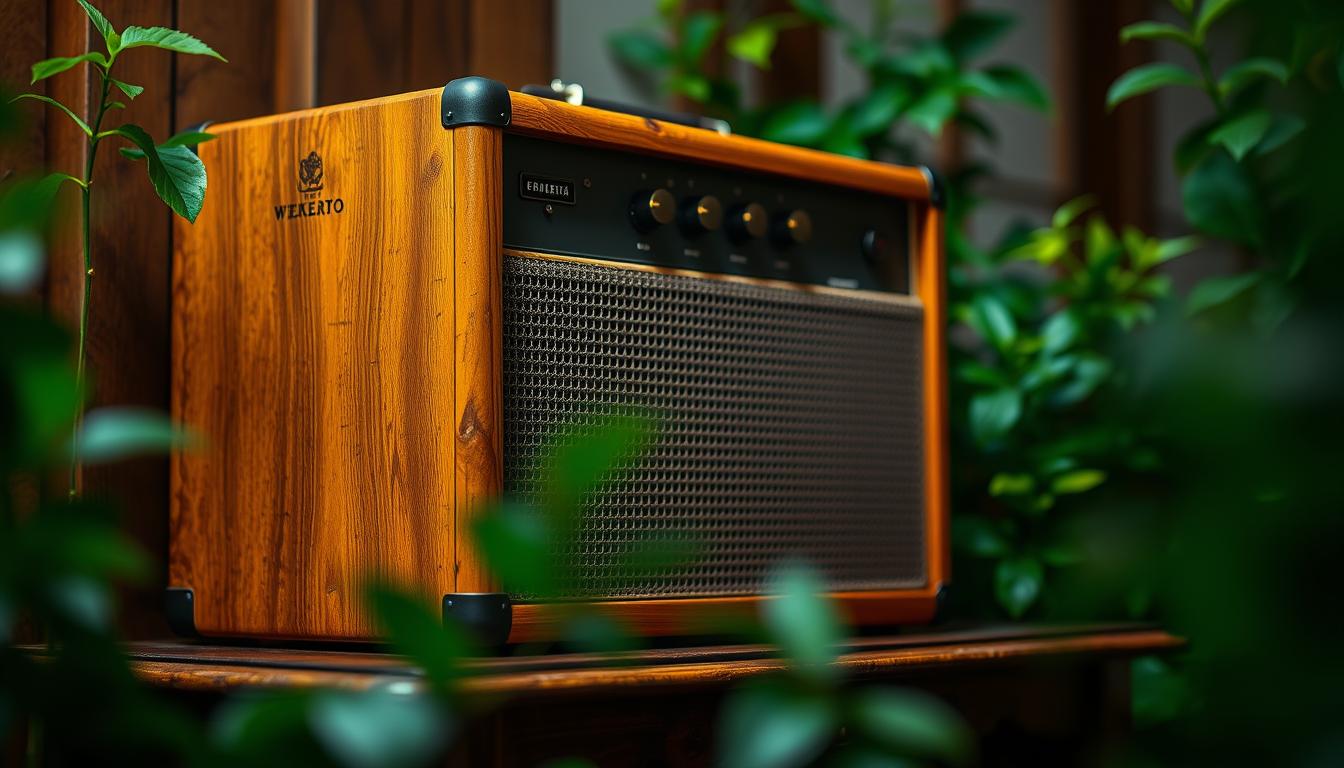
The vintage aesthetic is more than just a look; it’s a celebration of quality and authenticity. Think of the warm tones of aged wood, the intricate details of mid-century designs, and the robust build of classic speakers. These elements come together to create something that feels both timeless and personal.
When you define what vintage means to you, it becomes easier to incorporate those ideas into your project. Whether it’s the type of wood you choose or the way you align the driver, every decision reflects your appreciation for the past.
Understanding the DIY Audio Project
This project is about more than just building a speaker; it’s about blending modern technology with retro style. For example, while the Klipsch Heresy was designed over 50 years ago, its principles still influence how we approach audio projects today. By studying these designs, you can learn a lot about what makes a great speaker.
Here are some key takeaways to guide you:
- Inspiration from the past: Use classic designs as a foundation for your own creations.
- Modern techniques: Pair traditional aesthetics with cutting-edge components like advanced drivers.
- Personal touch: Let your unique style shine through in every detail.
By combining these elements, you’ll create something that’s not only functional but also a true reflection of your passion for audio craftsmanship.
Planning and Sourcing Materials
Planning is the backbone of any successful DIY project. Before you dive into the build, take the time to assess your materials and prepare your workspace. This ensures every step aligns with your vision and avoids costly mistakes.
Assessing Reclaimed and Leftover Wood
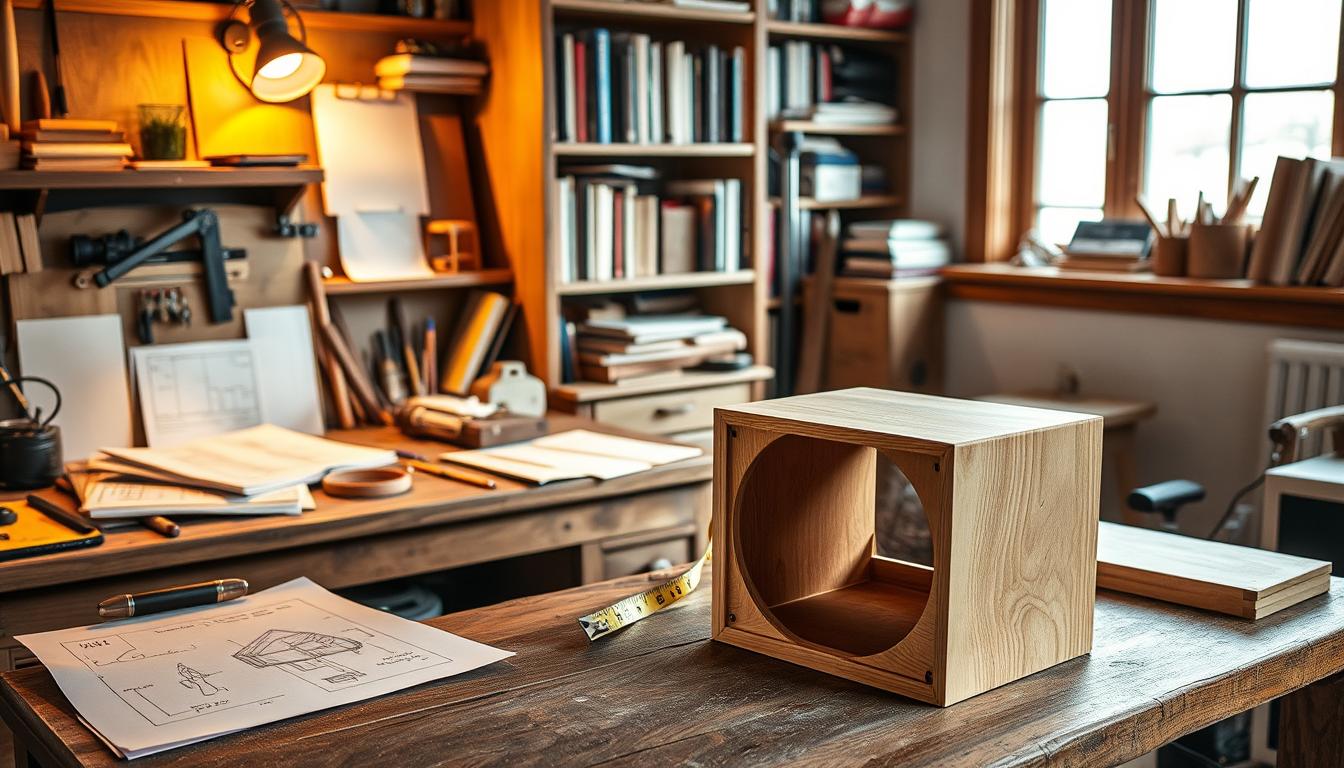
Start by evaluating the wood you have on hand. Reclaimed materials not only add character but also promote sustainability. Look for pieces that are sturdy and free from cracks or warping. This ensures your project stands the test of time.
Leftover wood from previous projects can also be a great resource. Measure each piece carefully to see how it fits into your design. Every scrap has potential, so think creatively about how to use it.
Preparing Your Work Environment
A well-organized workspace is essential for precision and safety. Clear your area of clutter and ensure you have all the tools you need within reach. This saves time and reduces the risk of accidents.
Consider using tools like Tinkercad to plan your design digitally. This allows you to visualize the final product and make adjustments before cutting any material. Measure twice, cut once is a mantra worth keeping in mind.
Finally, think about how each piece of wood and metal contributes to the overall design. This attention to detail ensures your project is both functional and visually appealing.
Materials and Tools for the Project
Gathering the right materials and tools is the first step to success. This ensures your project runs smoothly and achieves the desired results. From sturdy wood to precise tools, every component plays a vital role in creating a functional and visually appealing piece.

Essential Materials List
To start, you’ll need a variety of materials. Here’s a detailed list to guide you:
| Material | Purpose |
|---|---|
| Chipboard | Base structure for the enclosure |
| Oak veneer plywood | Exterior finish for a polished look |
| 2×4 lumber | Internal reinforcement and support |
| White glue, Gorilla glue, hot glue | Strong bonding for assembly |
Always verify the quality of each material before use. Sturdy, crack-free wood ensures durability, while high-quality adhesives guarantee a long-lasting bond.
Must-Have Tools and Equipment
Equipping yourself with the right tools makes the process efficient and precise. Here’s what you’ll need:
- Electric drill with multiple bits: For creating precise holes and securing components.
- Scroll saw: Ideal for intricate cuts and shaping.
- Utility knife: Perfect for detailed trimming and adjustments.
- Miter saw: Ensures accurate angles for a seamless fit.
Organize your workspace to keep everything within reach. This saves time and reduces errors during the build. Remember, the right tools not only make the job easier but also enhance the final outcome.
Balancing resourcefulness with professional-grade quality is key. This approach ensures your project achieves that authentic, timeless look while maintaining functionality.
Preparing the Container and Structural Reinforcement
Transforming a simple container into a functional audio piece requires precision and creativity. This step focuses on modifying the chipboard box to ensure it fits your components perfectly. By reusing offcuts and reinforcing the structure, you’ll create a durable and seamless foundation for your project.
Modifying the Chipboard Box
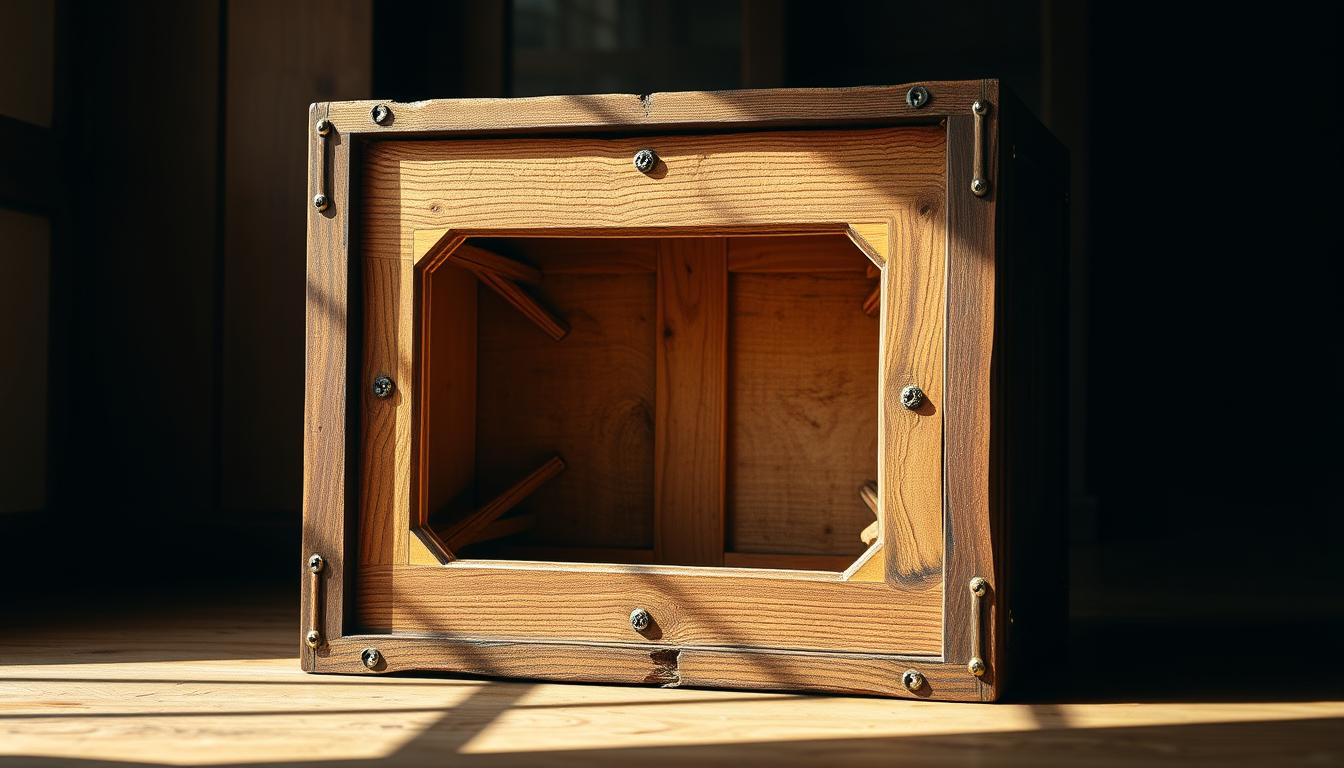
Start by cutting the chipboard box to the desired height. Retain the offcuts for internal reinforcement. Use a scroll saw for precise cuts and ensure the sides are level for later mounting. This step is crucial for a professional finish.
Split the hoop carefully and resize it to fit the internal dimensions. Apply white glue to secure the pieces, ensuring added strength. A uniform side allows for seamless integration of internal components.
Customizing for Speaker Clearance
Measure the clearance needed for the driver and other components. Adjust the box dimensions accordingly to avoid any obstructions. Use a miter saw for accurate angles and ensure the back panel aligns perfectly.
Here’s a quick reference table for essential measurements:
| Component | Measurement |
|---|---|
| Driver Clearance | 5×7 inches |
| Back Chamber Depth | 4 inches |
| Slot Opening | 1/2 inch to full width |
For a compact yet powerful audio solution, consider the Polk Audio Reserve Series R300 Center Channel. Its fully sealed enclosure minimizes resonance, making it a great fit for your project.
Finally, secure the box with screws for added stability. This ensures your enclosure is both functional and visually appealing. With these steps, you’ll achieve a refined look without compromising on durability.
Crafting the Speaker Grill and Front Panel
Crafting the front panel and grill is where design meets functionality. These components not only enhance the visual appeal but also ensure optimal sound quality. Precision is key, as even a small misalignment can affect performance.

Creating a Precise Cardboard Pattern
Start by designing a cardboard pattern for the grill and front panel. This template ensures accuracy when transferring the design to plywood. Measure the dimensions carefully, accounting for the driver’s clearance and housing requirements.
Use a scroll saw to cut the pattern smoothly. This step ensures clean edges, which are crucial for a professional finish. Test-fit the pattern to confirm it aligns perfectly with the container lid.
Tracing and Cutting Veneer Plywood Accurately
Once the pattern is ready, trace it onto a piece of 1/4-inch oak veneer plywood. This material offers both durability and a polished look. Use a scroll saw again to cut the plywood, maintaining steady hands for precision.
Reinforce the panel by gluing additional wood elements. This not only improves durability but also enhances the overall aesthetic. Ensure the grill fits snugly into the front panel, allowing for proper airflow and driver alignment.
Finally, test-fit all components before final assembly. This step ensures everything is crafted accurately, resulting in a seamless and functional design.
Building the Speaker Base and Internal Shelf
A sturdy foundation is essential for any audio project, ensuring both stability and optimal sound quality. This section guides you through creating a robust base and installing an internal shelf with precision. By focusing on accuracy and durability, you’ll achieve a professional finish that enhances your project’s functionality.
Constructing a Solid Base from 2×4 Lumber
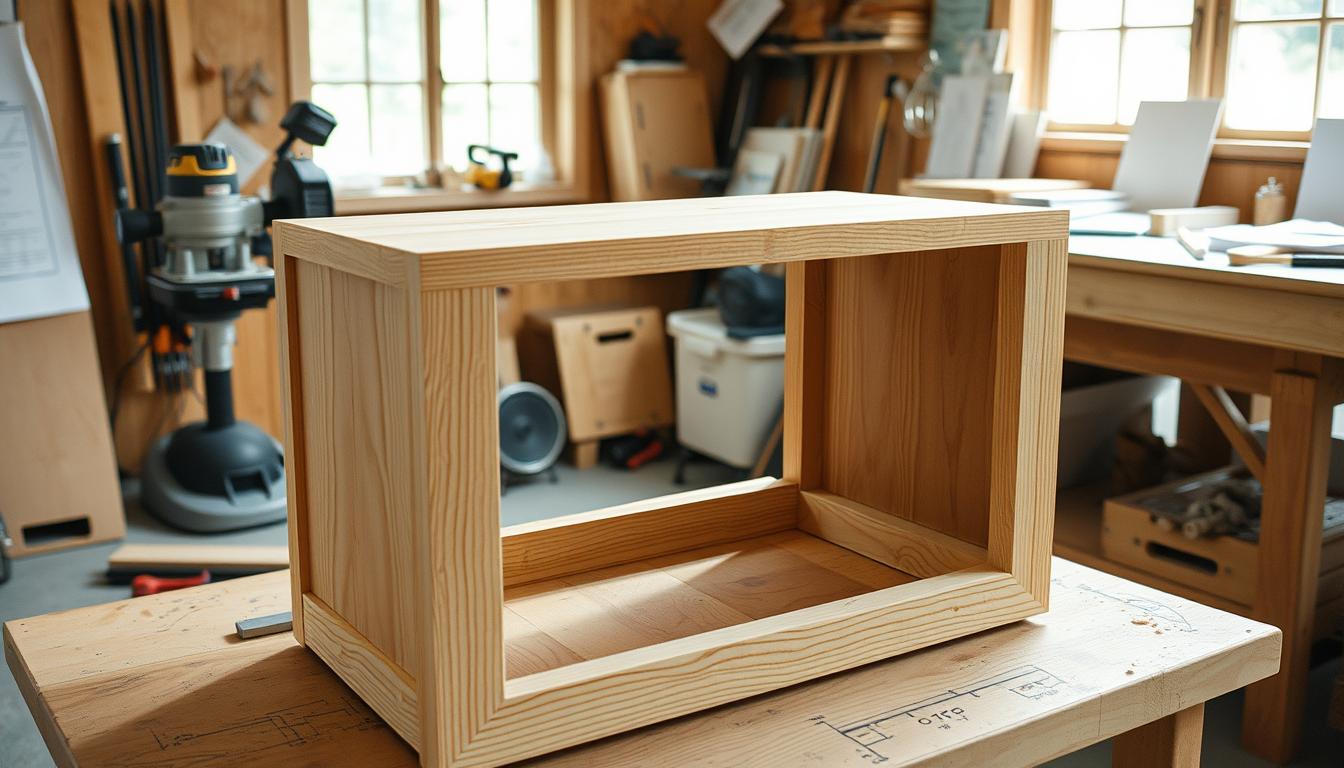
Start by selecting a piece of 2×4 lumber for the base. This material provides the strength needed to support the enclosure. Measure and cut the lumber to match the dimensions of your container, ensuring a snug fit.
Trace the outside curve of the box onto the lumber for accurate shaping. Use a scroll saw for precise cuts, maintaining clean edges. This step ensures the base aligns perfectly with the container, creating a seamless look.
Secure the base using wood screws and hot glue for added reinforcement. Check for level alignment to avoid future issues. A stable base is crucial for the overall durability of your project.
Installing the Speaker Shelf with Precision
Next, focus on the internal shelf. This component holds the speakers securely, ensuring optimal sound projection. Measure the clearance needed for the drivers and adjust the shelf dimensions accordingly.
Use the following table as a reference for key measurements:
| Component | Measurement |
|---|---|
| Shelf Height | 4 inches |
| Driver Clearance | 5×7 inches |
| Material Thickness | 0.75 inches |
Mount the shelf using wood screws and additional reinforcements. Ensure it’s level and securely attached. This attention to detail guarantees a functional and durable design.
Finally, test-fit all components before final assembly. This step ensures everything aligns perfectly, resulting in a polished and professional finish.
Detailed Assembly: Building a Vintage Wooden Speaker Enclosure
Assembling your audio project requires attention to detail and precision. This section walks you through the final steps of securing components and aligning internal parts. By following these instructions, you’ll ensure your project is both durable and functional.
Gluing, Screwing, and Securing Components
Start by attaching the base to the box using Gorilla glue and wood screws. This combination provides a strong bond that ensures structural integrity. Apply the glue evenly and use clamps to hold the pieces in place while drying.
For added stability, reinforce the corners with additional screws. This step is crucial for preventing any movement or warping over time. Ensure each screw is tightly secured but avoid over-tightening, which could damage the material.

Aligning and Mounting Internal Parts
Next, focus on aligning the internal components. Position the driver in the center of the panel, ensuring it fits snugly. Use a template if necessary to achieve precise measurements.
Mount the driver using screws, making sure it’s securely fastened. Check for any gaps or misalignments that could affect sound quality. Airtight assembly is essential for optimal performance.
Here’s a quick checklist to guide you:
- Ensure all screws are tightened evenly.
- Verify that the driver is centered and secure.
- Check for any gaps that could compromise sound quality.
By following these steps, you’ll create a polished and professional finish. Your project will not only look great but also deliver exceptional audio performance.
Finishing Touches: Painting and Aging Your Build
The final stage of your project brings everything together with a polished finish. Painting and aging techniques not only enhance the appearance but also protect the materials. This step ensures your creation stands out as both functional and artistic.
Applying Flat Black Paint for a Classic Look
Start by applying a smooth, flat black paint to both the interior and exterior of your housing. This creates a solid modern base that complements the vintage style. Use a high-quality paint like Krylon #1613 Semi-Flat Black or Ace Hardware’s flat black lacquer for durability.
Ensure the surface is clean and dust-free before painting. Apply thin, even coats to avoid drips or uneven coverage. Allow sufficient drying time between layers for a professional finish.
Enhancing with Bronze Spray Accents
For an authentically aged look, lightly dust the edges with bronze spray. This mimics aged metal and adds character to your design. Focus on areas like the grill and panel to highlight intricate details.
Here are some tips for achieving the best results:
- Use a light hand to avoid over-spraying.
- Test the spray on a scrap piece of wood first.
- Allow the paint to dry completely before handling.
These finishing touches ensure your project looks timeless and reflects your craftsmanship. By combining modern techniques with retro aesthetics, you’ll create a piece that’s both functional and visually stunning.
Conclusion
Creating a functional and stylish audio piece from reclaimed materials is both rewarding and inspiring. This project showcases how careful planning and precise execution can transform simple materials into something extraordinary. By integrating modern techniques with a vintage aesthetic, you’ve crafted a piece that stands out in both form and function.
Using reclaimed wood and professional tools, you’ve achieved a cost-effective solution that doesn’t compromise on quality. The attention to detail in every step, from aligning the driver to reinforcing the structure, ensures optimal sound and durability. This project proves that with the right plan, even complex tasks can be tackled successfully.
While challenges arose, the learning experience and final results make it all worthwhile. The look and volume of your creation exceed expectations, offering both visual appeal and exceptional performance. This project not only reflects your creativity but also inspires future endeavors.
Take pride in your work and consider replicating this project. With careful planning and quality materials, you can achieve similar results. This journey highlights the beauty of blending craftsmanship with modern innovation, leaving you with a piece that’s truly one-of-a-kind.
FAQ
What type of wood works best for this project?
Reclaimed or leftover wood is ideal for achieving a vintage look. Plywood is also a great option for its durability and ease of use.
What tools are essential for building the enclosure?
You’ll need a saw, drill, screwdriver, measuring tape, and clamps. A sander and wood glue are also crucial for finishing touches.
How do I ensure the speaker fits perfectly inside the enclosure?
Measure the speaker dimensions carefully and customize the internal shelf and front panel to provide adequate clearance.
Can I use a chipboard box for the base structure?
Yes, a chipboard box can be modified to serve as the foundation. Reinforce it with additional wood for stability.
What’s the best way to create a precise speaker grill pattern?
Use cardboard to create a template first. Trace the pattern onto veneer plywood and cut it accurately for a professional finish.
How do I achieve a vintage aesthetic with paint?
Apply flat black paint for a classic base. Add bronze spray accents to enhance the aged, retro look.
What’s the importance of aligning internal components?
Proper alignment ensures optimal sound quality and prevents vibrations. Use clamps and spacers during assembly for precision.
Can I use other materials besides wood for this project?
While wood is recommended for its acoustic properties and vintage appeal, you can experiment with other materials if they suit your design goals.
How do I reinforce the base for stability?
Use 2×4 lumber to construct a solid base. Secure it with screws and glue to ensure it can support the weight of the speaker.
What’s the best way to finish the enclosure for durability?
Sand the surface thoroughly before painting. Apply multiple coats of sealant to protect the wood and enhance its longevity.