Did you know that wooden feature walls can enhance both the acoustics and visual appeal of a room? These walls are not just a design trend; they’re a functional upgrade. Whether you’re aiming for a modern, rustic, or urban look, a wooden accent wall can instantly elevate your home’s ambiance.
Natural wood brings warmth and texture to any space, creating a theatrical focal point that draws the eye. Its versatility allows it to blend seamlessly with various design styles, from minimalist to industrial. Plus, it’s a budget-friendly DIY project that even beginners can tackle with confidence.
This guide will walk you through every step, from choosing the right wood to the final installation. You’ll discover how to craft a unique design that reflects your personality while enhancing your home’s aesthetic. Ready to transform your space? Let’s dive in.
Key Takeaways
- Wooden feature walls improve acoustics and add visual depth to any room.
- They are versatile, fitting modern, rustic, and urban design styles.
- Natural wood brings warmth and texture, creating a dramatic focal point.
- This project is beginner-friendly and budget-conscious.
- Customization options allow for a unique, personalized design.
Understanding the Theatrical Impact of a Wooden Feature Wall
Bring depth and character to your space with a wooden feature wall. This design element instantly transforms a plain room into a visually engaging environment. The natural texture and warmth of wood create a dramatic focal point that draws attention and enhances the overall ambiance.

Elevating Your Space with Warmth and Texture
A wooden accent wall introduces a sense of comfort and coziness to any room. The subtle interplay of light and shadow on the wood’s surface adds depth, making the space feel more inviting. This emotional impact is particularly effective in living areas, where warmth and texture can elevate the mood.
Modern designs often incorporate reclaimed wood or shiplap, adding a rustic yet contemporary touch. These materials not only enhance the visual appeal but also improve thermal and acoustic insulation, making your room more energy-efficient and comfortable.
Design Inspiration from Modern Accent Walls
Contemporary accent walls blend classical and modern elements to create a theatrical atmosphere. Chevron or herringbone patterns, for example, add complexity and sophistication to the design. Vertical or horizontal planks can also influence the perception of space, making a room appear taller or wider.
Neutral backgrounds provide the perfect contrast, allowing the wooden wall to stand out as the centerpiece. Whether you choose warm natural tones or bold, moody palettes, the result is a unique and personalized space that reflects your style.
Tools and Materials You’ll Need
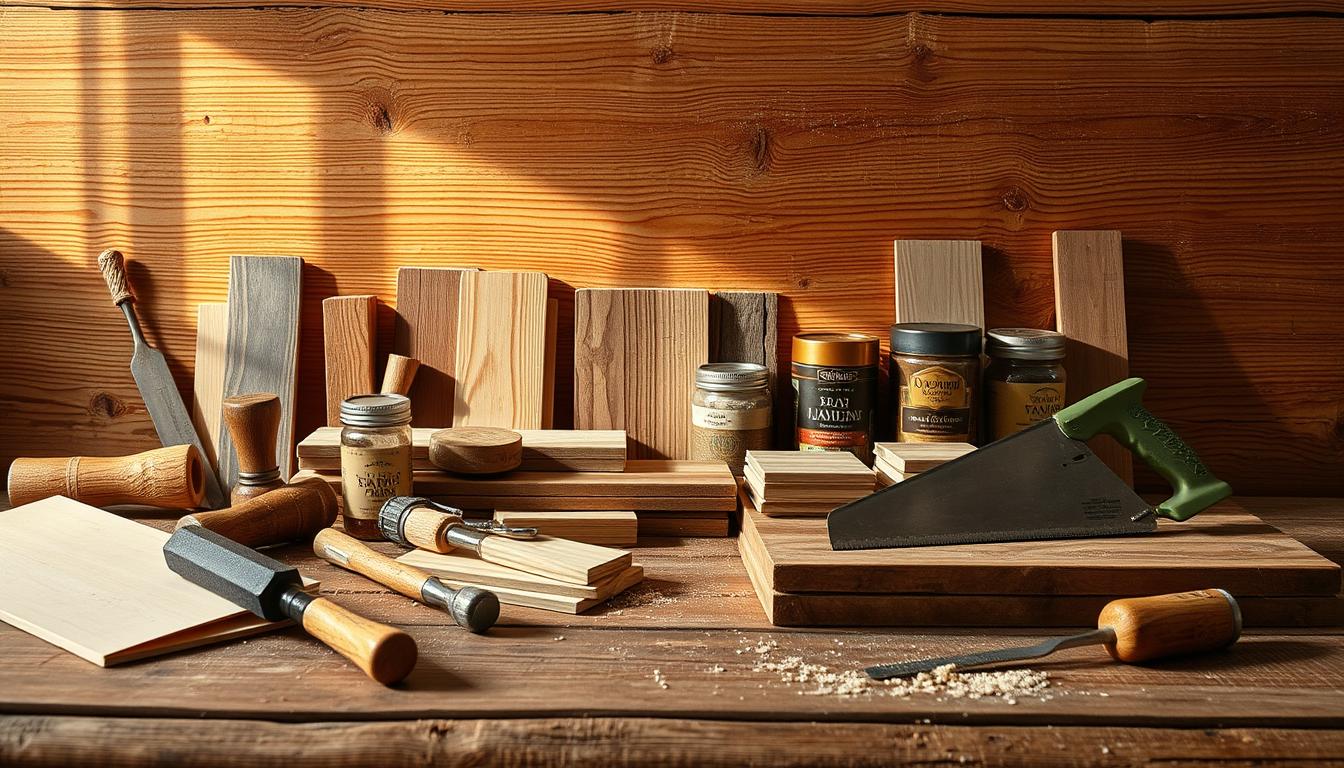
Creating a stunning accent wall starts with the right materials and tools. The choice of wood and finishes will significantly impact the final look and durability of your project. Equally important are the tools you use, as they ensure a seamless installation process.
Essential Wood Choices and Finishes
When selecting wood for your wall panel, consider options like pine, poplar, and hardwood. Pine is affordable and easy to work with, making it ideal for beginners. Poplar offers a smoother finish and is less prone to warping, while hardwood provides unmatched durability and a premium look.
Finishes play a crucial role in enhancing the natural beauty of your wood wall. Stains bring out the grain and add depth, while polyurethane protects the surface and adds a glossy or matte finish. Choose a finish that complements your design and ensures long-lasting appeal.
Must-Have Tools for a Seamless Installation
High-quality tools are essential for a professional-looking wood panel installation. A cordless brad nailer ensures secure fastening without damaging the wood. A mitre saw helps achieve precise cuts, while a jigsaw is perfect for intricate designs. Always use a level to ensure your panels are perfectly aligned.
To save costs, consider purchasing tools during sales or renting them if you won’t use them frequently. Keep scrap wood for adjustments and test cuts, ensuring minimal waste and a polished final result.
Preparing Your Space and Gathering Materials
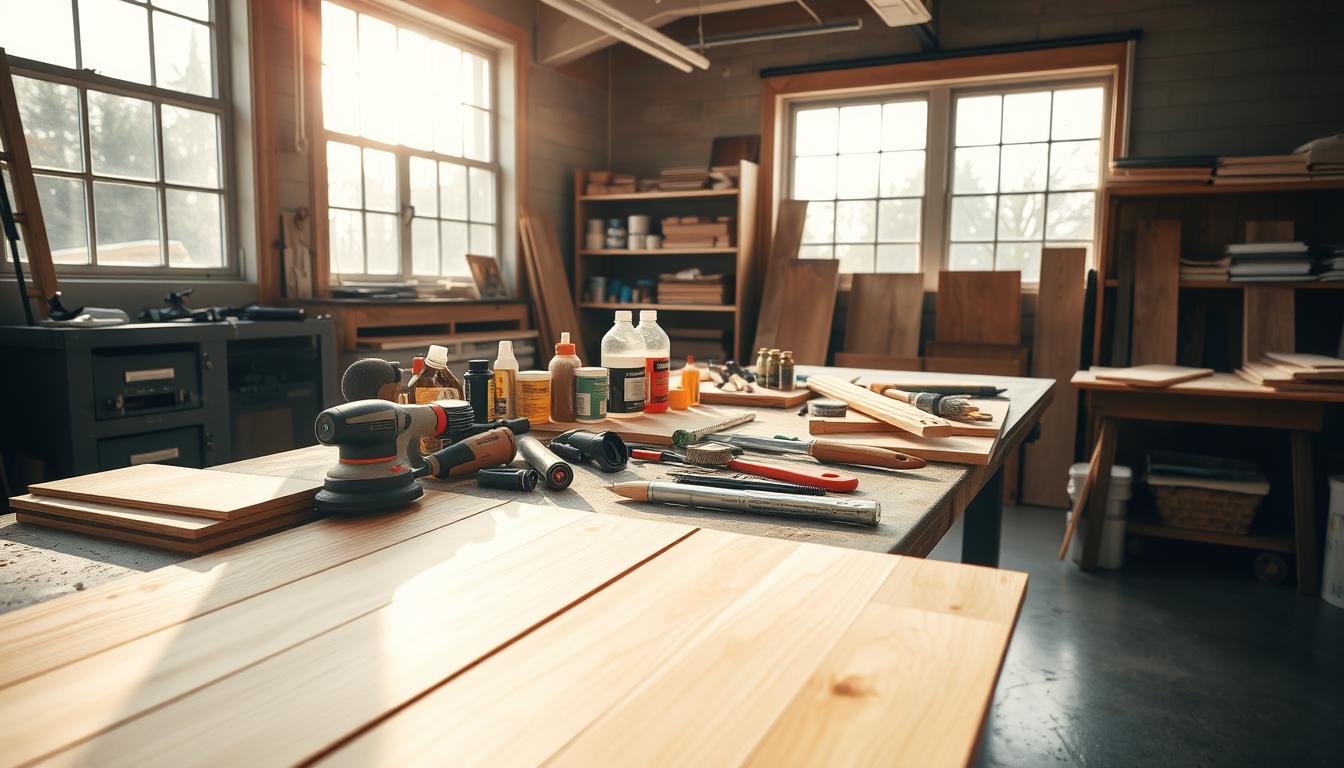
Proper preparation is the foundation of a flawless wooden panel installation. Before you begin, ensure your workspace is organized and ready for the task. This step minimizes errors and ensures a smooth workflow.
Clearing the Area and Setting a Workspace
Start by clearing the area around the wall. Remove furniture, decor, and any obstacles to ensure unobstructed access. A clean workspace allows you to focus on the installation without distractions.
Next, organize your materials and tools. Lay out your panels, spacers, and hardware in an orderly manner. This idea ensures everything is within reach, saving time and effort during the process.
Analyze your wall layout to determine the ideal spacing for the wooden slats. Use scrap wood as spacers to maintain consistency. This option is both practical and cost-effective, ensuring a professional finish.
Plan for outlet placement and electrical considerations early in the process. Mark the locations of outlets and switches to avoid cutting panels unnecessarily. This choice prevents delays and ensures a seamless installation.
By following these steps, you’ll create a well-prepared workspace that sets the stage for a successful paneling project. Proper organization and planning are key to achieving a polished result.
How to Add a Wooden Feature Wall for a Theatrical Atmosphere
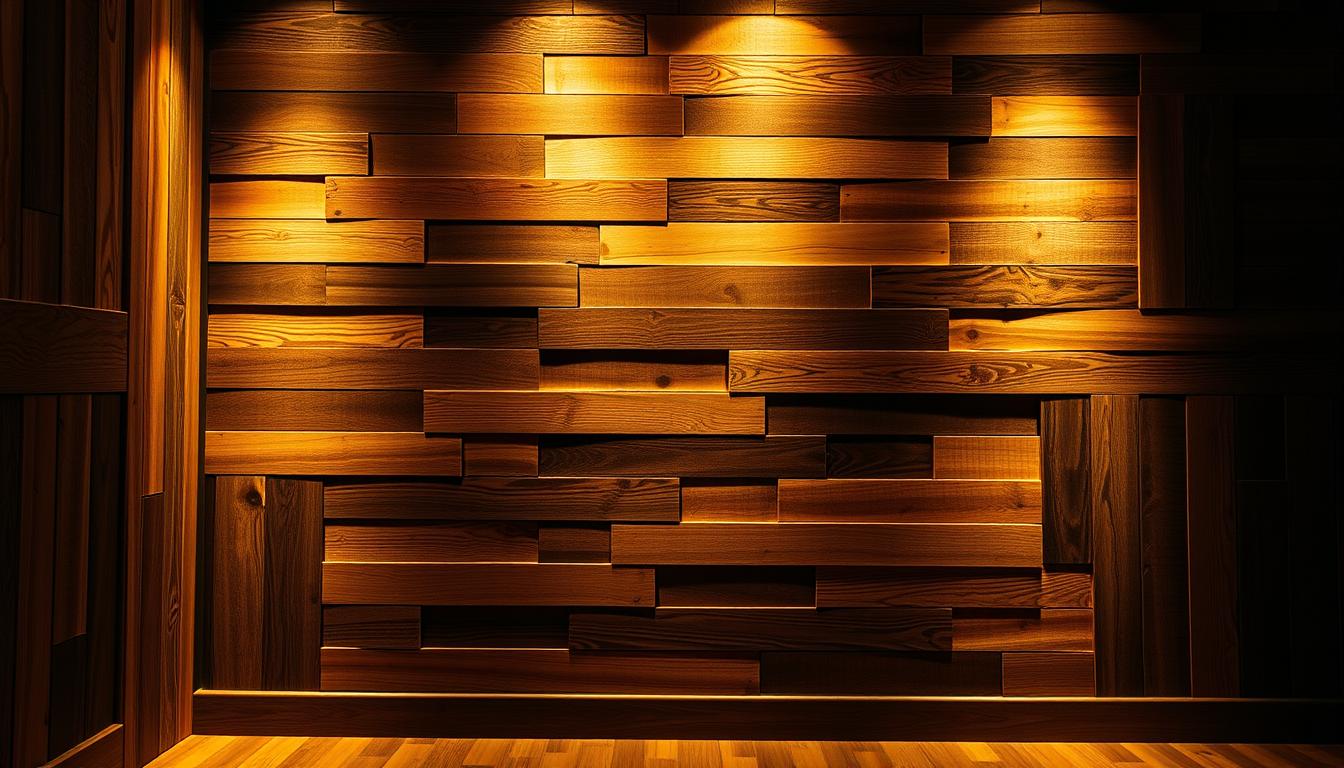
Accurate measurement is the cornerstone of any successful design project. Before you begin, take the time to measure your wall’s height and width precisely. This ensures each piece of wood fits perfectly, creating a seamless and polished look.
Measuring and Planning Your Wall Layout
Start by marking the wall’s dimensions with a pencil and measuring tape. Use a level to ensure your lines are straight. This step is crucial for maintaining alignment throughout the installation process.
Next, plan the positioning of each wood slat. Consider the spacing between them to achieve the desired visual effect. Consistent spacing enhances the overall aesthetic and ensures a professional finish.
Don’t forget to account for electrical outlets and switches. Mark their locations early to avoid cutting panels unnecessarily. This saves time and prevents delays during installation.
Selecting the Right Wood and Accent Options
Choosing the right type of wood is essential for both durability and visual appeal. Options like pine, poplar, and hardwood each offer unique benefits. Pine is budget-friendly, while hardwood provides a premium finish.
Consider the grain and color of the wood to match your design vision. Reclaimed wood, for example, adds character with its unique imperfections. This feature can elevate the overall ambiance of your space.
Accent options like stains or polyurethane finishes enhance the wood’s natural beauty. They also protect the surface, ensuring your wall remains stunning for years to come. Take the way to experiment with samples before making a final decision.
By focusing on accurate measurements and thoughtful material selection, you’ll create a work of art that transforms your space. Proper planning minimizes errors and ensures a smooth installation process.
Step-by-Step Guide to Installation
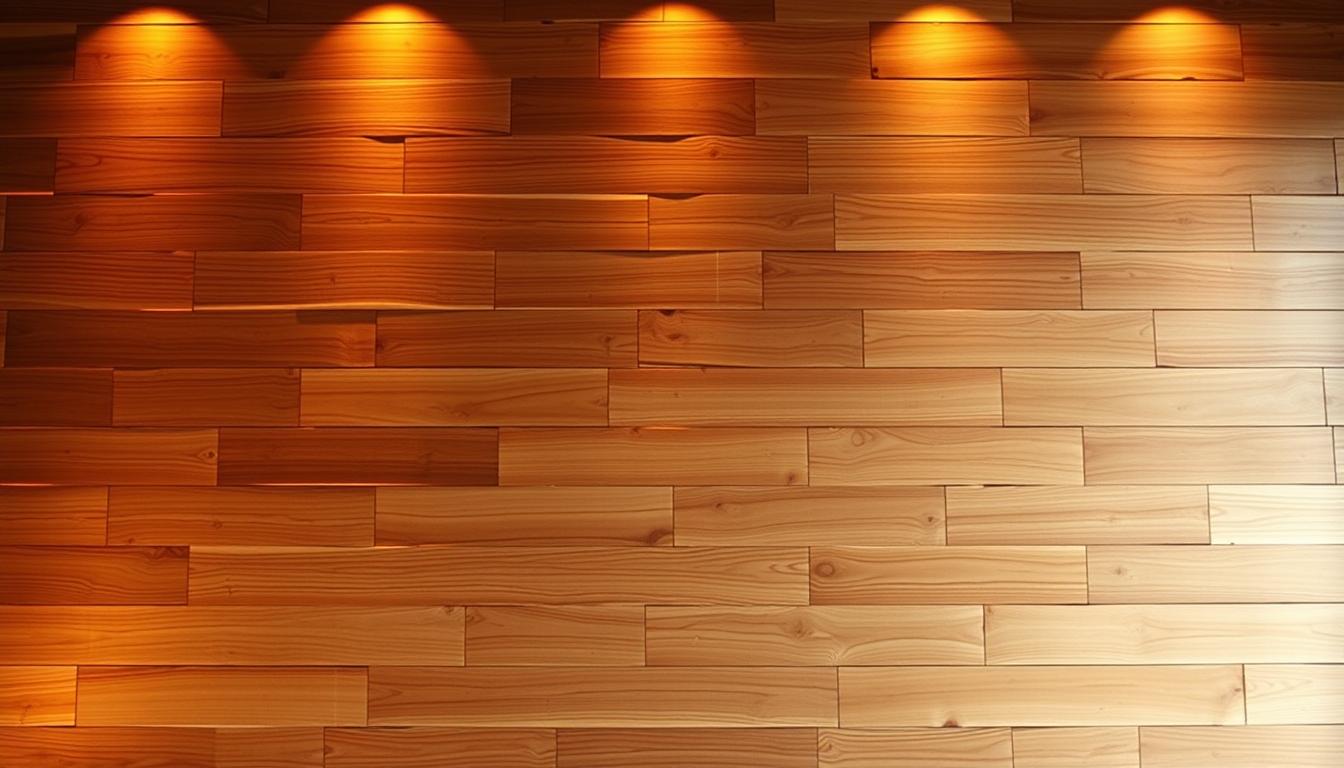
Transform your space with a step-by-step guide to installing a wooden accent wall. This process ensures a polished finish while enhancing your interior design. Follow these detailed instructions to achieve a seamless and professional look.
Step 1: Cutting and Preparing the Wood
Start by measuring and cutting your wood slats to fit the wall dimensions. Use a mitre saw or jigsaw for precise cuts. Always double-check measurements to avoid errors.
Prepare the wood by sanding the edges and surfaces. This step ensures a smooth finish and prevents splinters. If you’re using reclaimed wood, clean it thoroughly to remove any debris.
Step 2: Mounting the Wood Slats
Begin at the bottom of the wall and work your way up. Use spacers to maintain consistent gaps between slats. This technique creates a balanced and visually appealing style.
Secure each slat with a cordless brad nailer. Place nails at regular intervals to ensure stability. For added strength, use cross-nailing techniques.
Ensuring Level Placement and Secure Fastening
Check the level of each slat before securing it. A crooked installation can ruin the overall feel of the wall. Use a level and spacer to maintain alignment.
Take your time to fasten each piece firmly. This ensures durability and prevents future issues. Double-check every step to achieve a flawless finish.
| Tool | Purpose |
|---|---|
| Mitre Saw | Precise cutting of wood slats |
| Cordless Brad Nailer | Secure fastening of slats |
| Level | Ensuring straight and even placement |
| Spacers | Maintaining consistent gaps |
By following these steps, you’ll create a stunning decor element that becomes the focal point of your room. Proper planning and attention to detail are key to a successful installation.
Design Tips: Achieving Depth and Texture
Crafting a wooden accent wall requires more than just materials; it’s about creating depth and texture. The interplay of light, shadow, and color can transform a simple wall into a multidimensional masterpiece. By focusing on spacing and tonal adjustments, you can elevate the visual impact of your design.
Using Spacers and Paint to Enhance Visual Appeal
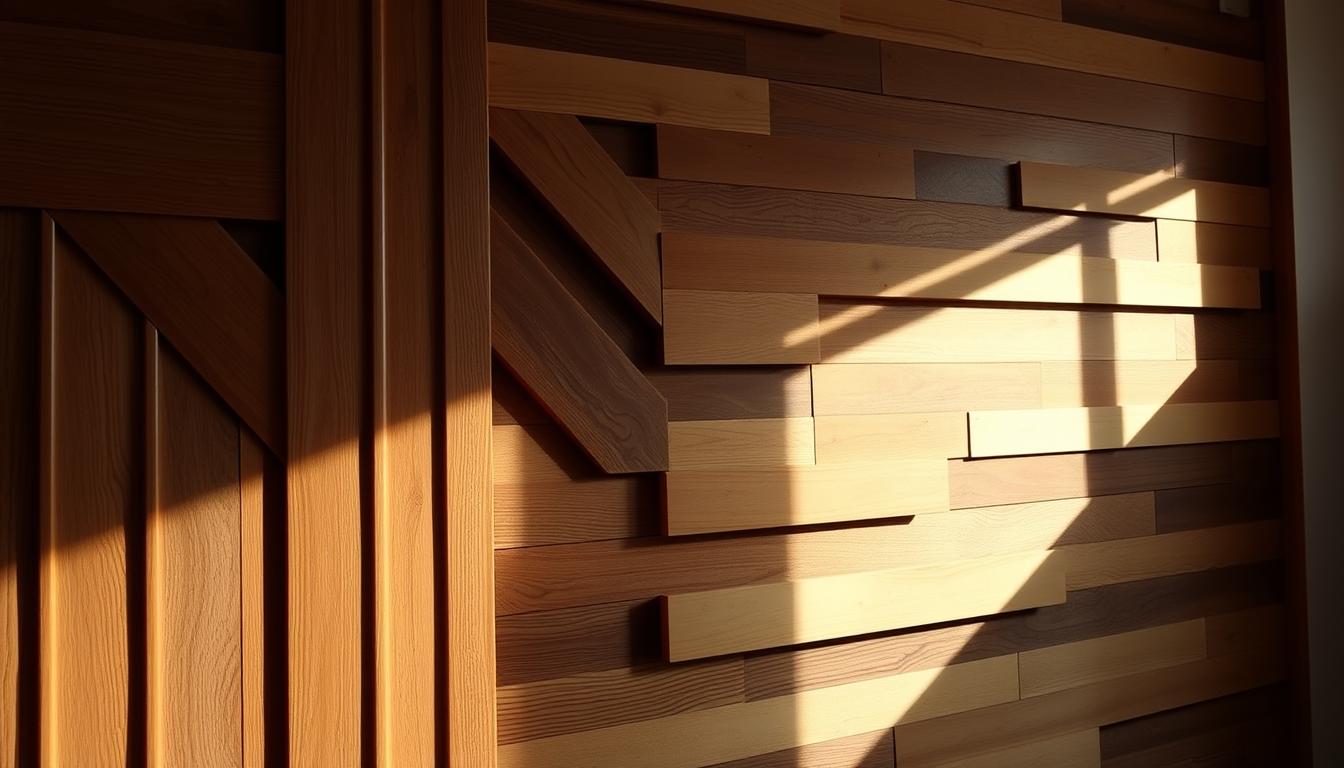
Spacers are a game-changer for adding depth to your wall. They create consistent gaps between slats, allowing light to cast subtle shadows. This technique enhances the wall’s texture, making it appear more dynamic and engaging. For a polished look, use spacers of equal thickness and adjust them as needed.
Paint plays a crucial role in enhancing the wood’s natural grain. Choose a tone that complements your room’s color scheme. Light stains can brighten the space, while darker hues add drama. For a modern touch, consider whitewashing or gray-washing the wood to highlight its texture.
Subtle adjustments can impart elegance and charm to your design. For example, sanding the edges of the wood slats creates a smoother finish, while distressing techniques add character. These small details make a big difference in the overall aesthetic.
Balancing Design Elements
To ensure your wall remains the focal point, avoid overwhelming the space with too many patterns or colors. Stick to a cohesive palette and let the wood’s natural beauty shine. If you’re using reclaimed wood, embrace its imperfections for a rustic charm.
Troubleshooting minor variations is key to maintaining a polished finish. If a slat doesn’t align perfectly, adjust the spacing or sand the edges. Patience and attention to detail will result in a cohesive and elegant design.
| Technique | Effect |
|---|---|
| Spacers | Creates shadow and light effects for added depth |
| Paint Stains | Enhances wood grain and adjusts tone |
| Subtle Adjustments | Adds elegance and charm |
| Balanced Design | Ensures the wall remains the focal point |
Practical Advice for Finishing Touches and Accents
The final touches on your wooden accent wall can elevate its beauty and functionality. These steps ensure your wall not only looks stunning but also stands the test of time. From staining to sealing, each detail contributes to the overall appeal and dimension of your design.
Staining, Painting, and Sealing the Wood
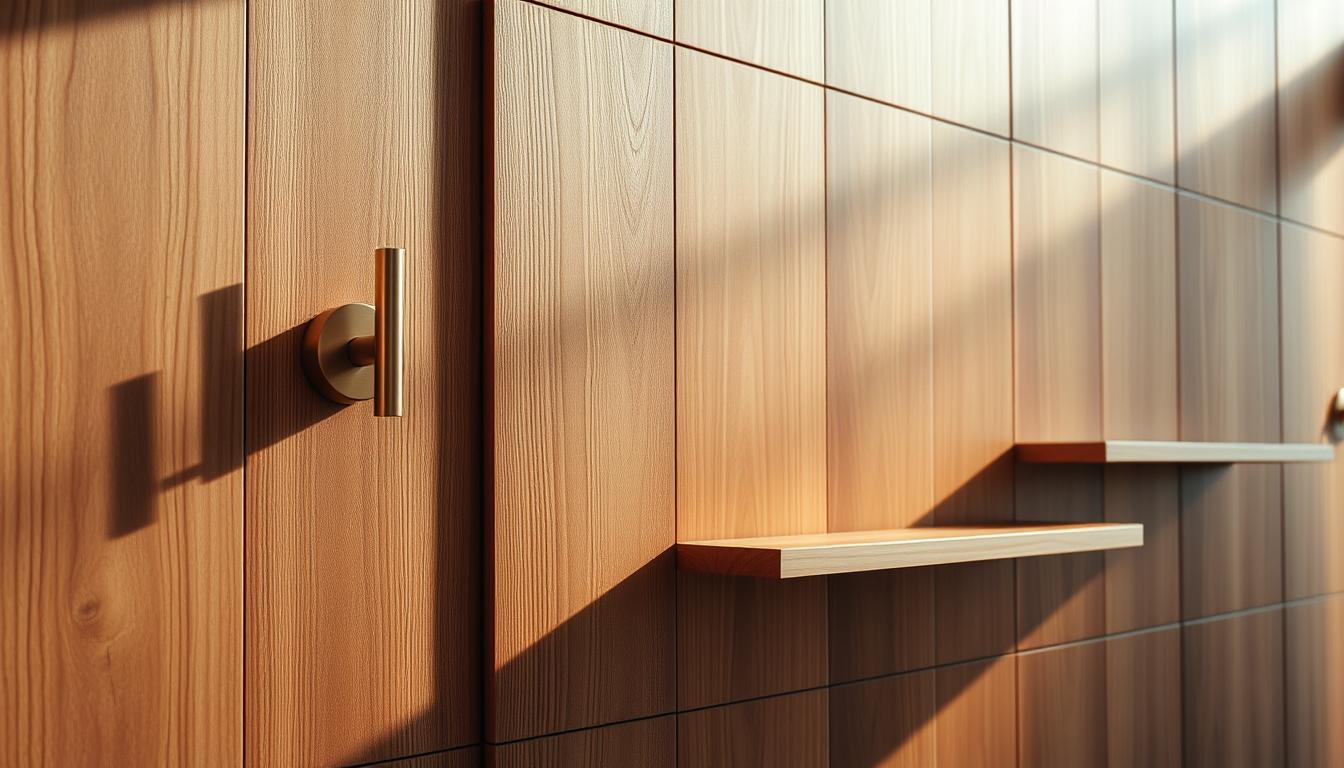
Staining enhances the natural grain of the wood, adding depth and richness to its beauty. Choose a stain that complements your room’s color scheme. Light stains brighten the space, while darker tones create a dramatic effect. Test the stain on a small section before applying it to the entire wall.
Painting offers another way to customize your wall. Neutral colors like white or gray highlight the wood’s texture, while bold hues make a statement. Use high-quality paint for a smooth finish. After painting or staining, seal the wood with polyurethane. This protects the surface from wear and tear, ensuring its longevity.
Integrating Textural Elements for Added Drama
Textural elements like decorative accents or layered patterns can transform your wall into a work of art. Consider adding reclaimed wood pieces for a rustic touch or geometric designs for a modern look. These details add dimension and make the wall more visually engaging.
For a cohesive design, match the wall’s finish with other elements in the room. For example, pair a stained wood wall with wooden furniture or decor. This creates harmony and enhances the overall appeal of your space.
“The right finishing touches can turn a simple wall into a masterpiece.”
By focusing on these final steps, you’ll create a wall that’s not only beautiful but also functional. Whether you prefer a rustic, modern, or eclectic style, these techniques ensure your design reflects your personality and enhances your home’s aesthetic.
Incorporating Lighting and Electrical Considerations
Integrating lighting and electrical elements into your wooden wall design can elevate both functionality and aesthetics. Proper planning ensures that your living room or office remains stylish while meeting practical needs. From outlet placement to lighting choices, every detail matters.
Planning for Outlets and TV Panel Integration
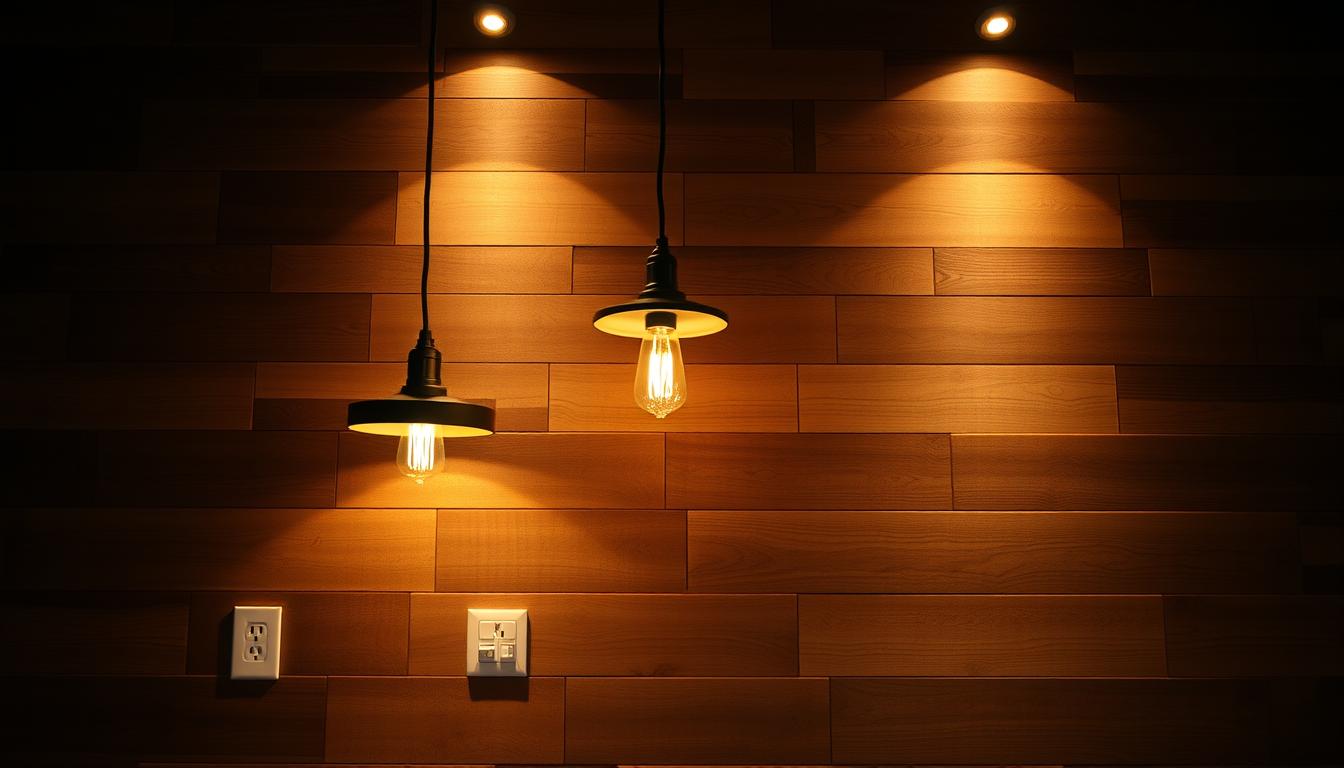
Start by mapping out the locations of electrical outlets and TV panels. Measure the wall carefully to ensure these elements align with the wood slats. Use a stud finder to locate wall studs for secure mounting.
Concealing wiring is essential for a clean look. Run cables behind the wall or use cable management systems. This approach maintains the wall’s elegance while adhering to safety standards.
For TV panels, consider the height and viewing angle. Mount the TV at eye level for optimal comfort. Ensure the panel’s design complements the wood’s natural texture.
Choosing Lighting to Enhance the Theatrical Mood
Lighting plays a crucial role in highlighting the wall’s texture and depth. Recessed lights in the ceiling create a soft glow, emphasizing the wood’s grain. Adjustable spotlights can be used to accentuate specific areas.
Choose fixtures that match the room’s style. Warm-toned bulbs enhance the wood’s natural warmth, while cooler tones suit modern designs. Dimmable lights offer flexibility, allowing you to adjust the ambiance as needed.
Strategically placed lighting can transform the wall into a focal point. Experiment with different angles and intensities to achieve the desired effect.
| Element | Consideration |
|---|---|
| Outlets | Plan placement for accessibility and aesthetics |
| TV Panels | Ensure alignment with wood slats and optimal viewing height |
| Lighting | Choose fixtures that complement the wood’s texture and color |
| Wiring | Conceal cables for a clean and safe installation |
By thoughtfully integrating lighting and electrical elements, you’ll create a space that’s both functional and visually stunning. Balance practicality with design to achieve a cohesive and elegant result.
Troubleshooting Common Installation Challenges
Every installation project comes with its own set of challenges, but with the right approach, you can overcome them effortlessly. Whether you’re working in a bedroom or another space, addressing issues like warped wood and uneven walls ensures a polished finish. Here’s how to tackle these problems while maintaining the quality and aesthetic of your design.
Dealing with Warped Wood and Uneven Walls
Warped wood is a common issue that can disrupt the alignment of your panels. To fix this, use shims or sand the edges to create a flat surface. For severe warping, consider switching to a more stable type of wood, such as oak, which offers consistency and durability.
Uneven walls can also pose a challenge. Use a level to identify high and low spots. Apply adhesive or shims to fill gaps and ensure a smooth installation. This method preserves the quality of your wall while addressing imperfections.
Solutions for Outlet and Wiring Obstacles
Outlets and wiring can complicate the installation process. Start by marking their locations on the wall. Use a jigsaw to cut precise openings in the wood slats, ensuring they align perfectly. For a clean look, conceal wires behind the wall or use cable management systems.
If an outlet doesn’t align with the slats, adjust the spacing or reposition the panel slightly. This approach maintains the wall’s elegance while ensuring functionality. For more tips on optimizing your space, check out these budget-friendly upgrades.
| Challenge | Solution |
|---|---|
| Warped Wood | Use shims, sand edges, or switch to oak |
| Uneven Walls | Apply adhesive or shims for leveling |
| Outlet Alignment | Adjust spacing or reposition panels |
| Wiring Obstacles | Conceal wires or use cable management |
By addressing these challenges proactively, you’ll create a stunning feature wall that enhances your bedroom or any other space. Focus on using high-quality materials and precise techniques to achieve a flawless finish.
Conclusion
Creating a wooden accent wall is a rewarding project that transforms your space with warmth and style. From planning to installation, each step ensures a professional and lasting result. By carefully selecting materials and tools, you can achieve a design that enhances your home’s atmosphere.
Experiment with finishes and patterns to create a unique focal point. Whether you prefer a rustic or modern look, the natural texture of wood adds depth and character. Patience and attention to detail are key to a polished finish.
Embrace this DIY project to turn your living space into an artistic haven. With quality tools and thoughtful planning, you’ll create a stunning feature that reflects your personality. Start today and enjoy the transformative power of a well-crafted wooden accent wall.
FAQ
What materials work best for a wooden feature wall?
Oak, reclaimed wood, and engineered wood panels are excellent choices. Each offers unique texture and tone to elevate your space.
How do I prepare my wall for installation?
Clear the area, ensure the wall is clean and dry, and measure the space accurately. This ensures a seamless and professional finish.
What tools are essential for installing a wooden feature wall?
You’ll need a saw, level, measuring tape, adhesive, and nails or screws. These tools help achieve precision and durability.
How can I enhance the visual appeal of my feature wall?
Use spacers for even gaps, experiment with paint or stain, and integrate lighting to create depth and drama.
What are some design tips for a theatrical atmosphere?
Choose wood with rich tones, layer textures, and add accent lighting. These elements create a captivating and elegant focal point.
How do I handle uneven walls or warped wood?
Use shims to level the surface and sand warped areas. Proper preparation ensures a smooth and secure installation.
Can I integrate electrical outlets into my feature wall?
Yes, plan the layout carefully to accommodate outlets and wiring. This maintains functionality while preserving the wall’s aesthetic.
What finishes work best for a wooden feature wall?
Stains enhance natural grain, while paint offers a modern touch. Sealing the wood ensures longevity and protects its beauty.