Did you know that 62% of consumers are now interested in sustainable home projects? Upcycling old materials into stylish pieces has become a growing trend, especially when it comes to creating a unique atmosphere in your space. One of the most versatile and eco-friendly materials you can use is reclaimed wood. Its natural textures and rustic charm make it perfect for adding character to any room.
Transforming discarded wood into valuable design elements is not just about aesthetics—it’s about sustainability. By repurposing old materials, you reduce waste and contribute to a greener planet. Whether it’s decorative wall art or custom shelves, reclaimed wood offers endless possibilities for creativity.
In this article, you’ll learn how to use this material to achieve a vintage home theater vibe. From selecting the right tool to planning your project, we’ll guide you through the process. Ready to turn old wood into something extraordinary? Let’s get started.
Key Takeaways
- Reclaimed wood is an eco-friendly and versatile material for home projects.
- Upcycling old materials reduces waste and supports sustainable design.
- Its natural textures and rustic charm add character to any space.
- You can create unique pieces like wall art and custom shelves.
- Planning your project with the right tools ensures success.
Understanding the Charm of Reclaimed Wood Decor
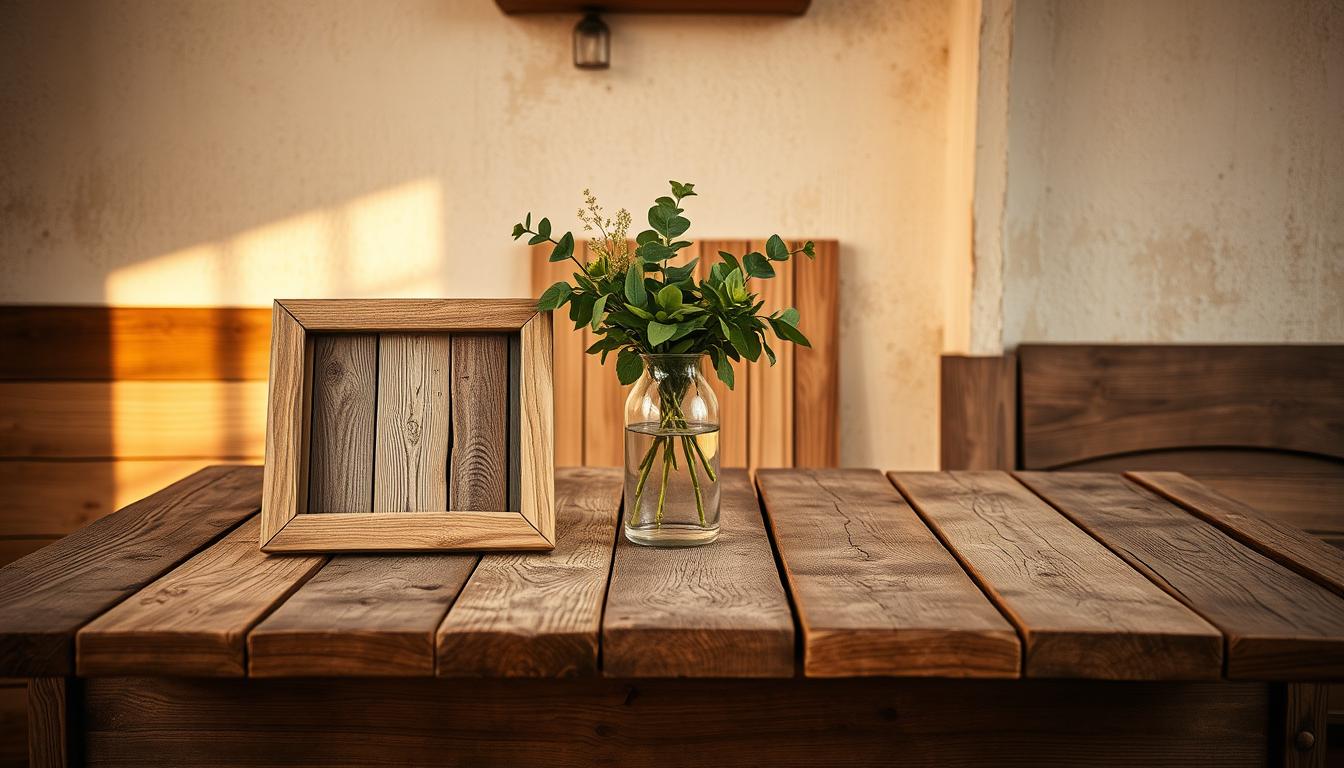
The allure of reclaimed materials lies in their rich history and unique character. Each piece tells a story, making it a perfect choice for adding depth and personality to your space. Whether it’s an old barn beam or a salvaged plank, these materials bring a sense of authenticity that new items simply can’t match.
Benefits of Upcycling Reclaimed Wood
Upcycling old materials is more than just a trend—it’s a sustainable practice that reduces waste. By repurposing discarded wood, you’re giving it a second life while minimizing your environmental footprint. Studies show that using reclaimed materials can cut carbon emissions by up to 50% compared to new materials.
Beyond sustainability, upcycling is cost-effective. Many projects require minimal investment, especially if you source materials locally or for free. Plus, the results are often one-of-a-kind pieces that add a personal touch to your home.
Eco-Friendly and Vintage Design Elements
Reclaimed wood seamlessly blends eco-consciousness with vintage aesthetics. Its natural imperfections—like knots, cracks, and weathered textures—create a rustic charm that’s hard to replicate. This makes it ideal for projects like handcrafted signs, custom shelves, or even unique picture frames.
For example, a simple wall art project can transform a plain space into a cozy, nostalgic retreat. Similarly, using reclaimed wood for furniture pieces like tables or benches adds both functionality and character.
If you’re passionate about sustainable design, consider sharing your creations on a blog. This not only inspires others but also spreads awareness about the benefits of upcycling. For more ideas on stylish and functional design, check out this guide to home theater decor.
DIY Reclaimed Wood Decor for a Vintage Home Theater Vibe: A How-To Guide
Starting a new creative endeavor requires careful preparation and the right resources. Before you begin, take time to plan your steps and gather everything you’ll need. This ensures a smooth process and professional results.
Gathering Materials and Tools
First, create an inventory list of the essentials. Basic items include saws, drills, and sanders. These tools help you shape and refine your materials effectively.
Safety is crucial. Always wear protective gear like gloves and safety glasses. Remove any metal fixtures from the wood to avoid accidents during cutting or sanding.
Sourcing Quality Reclaimed Wood
Finding the right materials is key. Look for wood at salvage yards or local vendors known for reclaimed items. Inspect each piece for damage, rot, or excessive wear.
Prepare the wood by sanding rough edges and removing contaminants. This step ensures a clean, safe surface for your project. Documenting your process can also inspire others and create a narrative for your work.
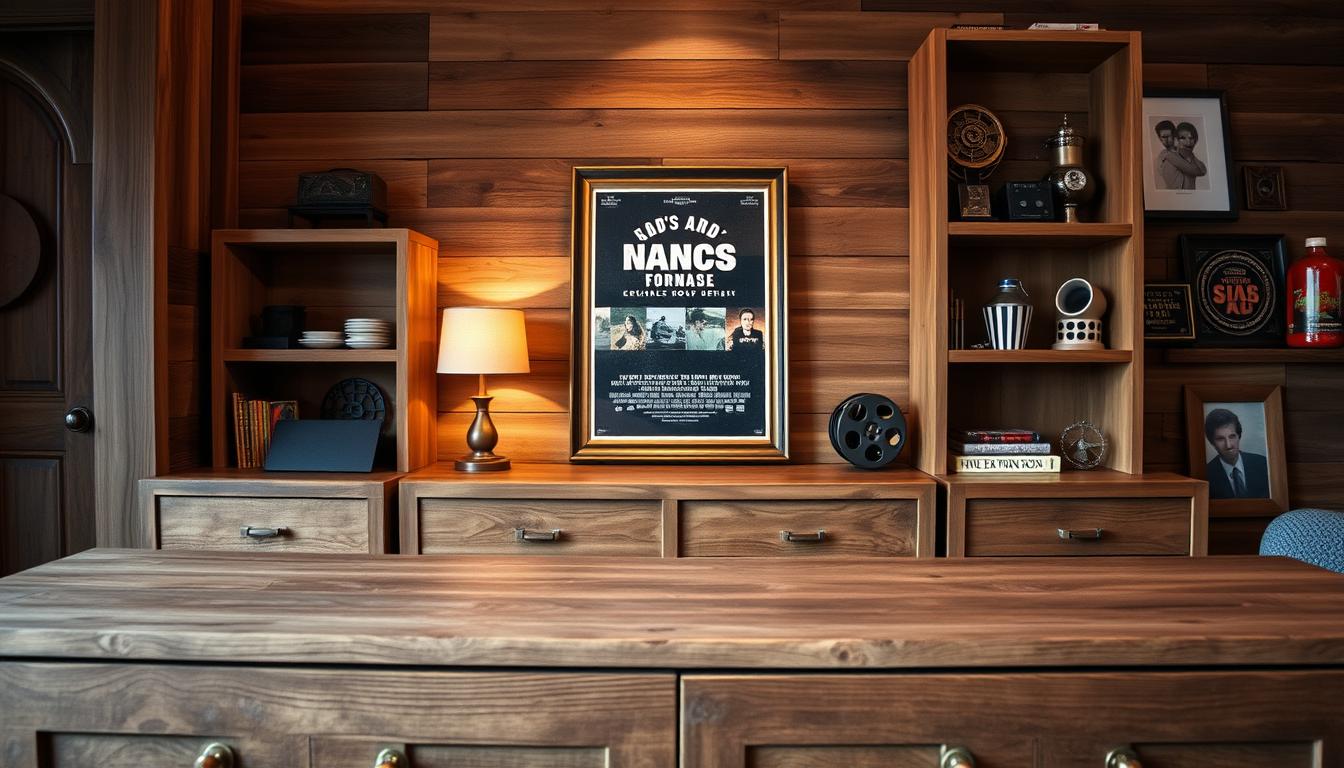
Reclaimed wood is durable and eco-friendly. Its unique textures add character to any space, making it a popular choice for creative projects.
Step-by-Step Process to Create Your Vintage Home Theater Look
Crafting a vintage-inspired space starts with a clear plan and the right materials. This guide will walk you through the essential steps to transform your area into a nostalgic retreat. From preparing your materials to installing your creations, each step is designed to ensure a polished and professional result.
Preparing and Refinishing Your Wood
Begin by cleaning and sanding your materials to remove dirt and rough edges. This step ensures a smooth surface for refinishing. Use a medium-grit sandpaper to start, then switch to a fine-grit for a polished finish.
Next, apply a wood conditioner to enhance the material’s natural grain. Follow this with a stain or sealant of your choice. Allow each coat to dry completely before applying the next. This process not only protects the wood but also adds depth and character.
Designing and Customizing Décor Pieces
Once your materials are ready, it’s time to design your pieces. Sketch out your ideas, considering the dimensions and functionality of each item. For example, a custom shelving unit can provide both storage and display space.
Use common tools like saws and drills to shape your designs. Add personal touches, such as retro-inspired patterns or vintage hardware, to make each piece unique. Mix textures and finishes to maintain the wood’s natural character while enhancing visual appeal.
Installing and Displaying Your Creations
Proper installation ensures your pieces are both secure and aesthetically pleasing. Use wall anchors or brackets for heavier items like shelves or wall hangings. For smaller pieces, such as picture frames, consider grouping them for a cohesive look.
Display your creations in a way that highlights their craftsmanship. For example, place a handcrafted coffee table as the centerpiece of your seating area. This not only adds functionality but also becomes a conversation starter.
| Step | Tools Needed | Tips |
|---|---|---|
| Preparation | Sander, Wood Conditioner | Sand in the direction of the grain for a smooth finish. |
| Design | Saw, Drill, Measuring Tape | Sketch your design before cutting to avoid mistakes. |
| Installation | Wall Anchors, Level | Use a level to ensure your pieces are straight. |
By following these steps, you can create a space that exudes charm and personality. Enjoy the rewarding process of transforming old materials into timeless treasures.
Conclusion
Transforming spaces with sustainable materials is both rewarding and impactful. Throughout this guide, you’ve learned how to source quality materials, use the right tool, and execute detailed steps to create unique pieces. Upcycling not only enhances your home’s aesthetic but also supports eco-friendly practices.
By starting your own project, you can blend creativity with sustainability. Whether it’s custom furniture or decorative accents, each piece adds authenticity and charm. Share your journey on a blog or social media to inspire others and spread awareness about sustainable design.
Ready to experiment? Embrace the art of DIY and enjoy the satisfaction of crafting one-of-a-kind items. Your efforts will not only elevate your space but also contribute to a greener planet.
FAQ
What are the benefits of using reclaimed wood for décor?
Reclaimed wood adds a unique, rustic charm to your space. It’s eco-friendly, reduces waste, and often comes with a rich history that enhances its character.
Where can I find quality reclaimed wood for my project?
You can source reclaimed wood from salvage yards, demolition sites, or specialty stores like Reclaimed Wood Solutions. Online marketplaces like Etsy also offer options.
What tools do I need to start a reclaimed wood project?
Essential tools include a saw, sander, drill, measuring tape, and safety gear like gloves and goggles. Having clamps and wood glue is also helpful for assembly.
How do I prepare reclaimed wood for use in décor?
Start by cleaning the wood to remove dirt and debris. Sand it to smooth out rough edges, and apply a finish like stain or sealant to protect and enhance its appearance.
Can I customize reclaimed wood pieces to fit my home theater design?
Absolutely! You can cut, paint, or stain the wood to match your theme. Adding unique touches like carvings or metal accents can further personalize your décor.
Is reclaimed wood durable for long-term use?
Yes, reclaimed wood is often more durable than new wood because it’s been aged and weathered. Proper preparation and finishing ensure it lasts for years.
How do I install reclaimed wood décor in my home theater?
Use nails, screws, or adhesive to secure the wood to walls or furniture. For larger pieces, consider using brackets or supports to ensure stability.