Did you know that spatial audio can create up to 128 simultaneous sound objects, each moving independently in a 360-degree space? This groundbreaking technology is revolutionizing how we perceive sound, offering an immersive experience that traditional stereo simply can’t match.
By simulating real-world auditory environments, spatial audio surrounds you with directional sound, making it feel like you’re right in the middle of the action. Whether you’re listening to music, watching a movie, or gaming, this technology enhances every detail, from subtle whispers to thunderous explosions.
Technologies like Dolby Atmos and DTS:X are leading the charge, delivering high-quality audio that adapts to your surroundings. These innovations are not just for cinemas; they’re now accessible on smartphones, headphones, and home theater systems, bringing the magic of spatial audio to your everyday life.
Realistic sound design is key to creating engaging auditory experiences. It’s not just about hearing—it’s about feeling the depth and dimension of every sound. With spatial audio, you’re no longer just a listener; you’re part of the experience.
Key Takeaways
- Spatial audio creates immersive, 360-degree sound environments.
- Technologies like Dolby Atmos enhance directional sound precision.
- It transforms music, movies, and gaming into lifelike experiences.
- Realistic sound design is essential for engaging auditory content.
- Spatial audio is accessible across various devices for everyday use.
Understanding the Fundamentals of 3D Audio
Have you ever wondered how sound can feel like it’s coming from all around you? This is the magic of 3D audio, a technology that transforms how you experience sound. Unlike traditional stereo, which only uses left and right channels, 3D audio adds depth, height, and directionality, creating a fully immersive environment.

What is 3D Audio and Spatial Sound?
3D audio, also known as spatial sound, simulates how sound behaves in real life. It places sounds above, below, and around you, making it feel like you’re in the middle of the action. This technology uses advanced algorithms to mimic how your ear perceives sound in a three-dimensional space.
For example, in a movie scene, you might hear footsteps behind you or rain falling from above. This level of detail creates a soundscape that’s both realistic and engaging. It’s not just about hearing sound—it’s about feeling it.
Key Differences: Stereo, Surround, and Immersive Audio
To understand 3D audio, it’s helpful to compare it to other audio formats. Here’s a breakdown:
| Format | Channels | Experience |
|---|---|---|
| Stereo | 2 (Left & Right) | Basic directional sound |
| Surround | 5.1 or 7.1 | Multidirectional sound |
| Immersive Audio | 360° (Above, Below, Around) | Fully immersive soundscape |
Stereo audio is limited to two channels, while surround sound adds more speakers for a multidirectional effect. However, immersive audio takes it a step further by incorporating height and depth, creating a lifelike environment.
As technology evolves, so does the way we experience sound. From gaming to virtual reality, 3D audio is redefining what’s possible, making every listening experience more dynamic and engaging.
Exploring the Science Behind Spatial Audio
What makes spatial audio feel so lifelike and immersive? The answer lies in advanced techniques that replicate how your brain processes sound. By understanding the science behind it, you can appreciate how this technology creates a truly engaging experience.

Binaural Recording and Head-Related Transfer Function (HRTF)
Binaural recording uses two microphones to mimic how your ears hear sound. This technique captures audio from different angles, creating a realistic surround sound effect. When played through headphones, it feels like you’re in the middle of the action.
The Head-Related Transfer Function (HRTF) plays a crucial role in this process. It evaluates how sound waves interact with your head and ears, determining direction and depth. This helps your brain accurately locate sounds in a 3D space.
Principles of Audio Positioning and Depth
Audio positioning relies on precise calculations to place sounds around the listener. Factors like distance, volume, and movement are carefully balanced to create a lifelike experience. For example, a whisper behind you feels different than a shout in front.
Depth is another key element. By adjusting reverb and echo, spatial audio can simulate how sound behaves in various environments. This adds layers of realism, whether you’re in a small room or a vast canyon.
From simple surround sound to highly detailed spatial audio, the technology has evolved to adapt to individual listeners. It’s not just about hearing sound—it’s about feeling it in a way that’s natural and immersive.
Achieving Realistic Soundscapes with 3D Audio
The art of placing sound in a 3D space can transform your listening experience. Whether you’re designing for gaming, film, or music, precise audio placement is essential for crafting an immersive soundscape. This section will guide you through the techniques and principles that bring depth and realism to your projects.

Step-by-Step Guide to Effective Audio Placement
Start by mapping out your space. Identify key areas where sounds should originate, such as footsteps behind the listener or rain falling from above. Use tools like Dolby Atmos or Ambisonics to ensure accuracy in positioning.
Next, consider the format of your audio. Stereo works for basic setups, but for a fully immersive experience, opt for formats like 5.1 surround or 360° audio. These formats allow sounds to move freely in all directions, enhancing realism.
Finally, test your placement. Play back your audio through different devices to ensure consistency. Adjust volume and positioning as needed to create a seamless immersive experience.
Balancing Distance, Volume, and Movement
Distance plays a crucial role in audio placement. Sounds closer to the listener should be louder and clearer, while distant sounds require softer tones and reverb. This balance creates depth in your space.
Volume is equally important. Sudden changes can disrupt immersion, while gradual adjustments enhance realism. For example, a whisper fading into a shout can heighten tension in a scene.
Movement adds another layer of complexity. Use dynamic audio techniques to simulate motion, like a car passing by or a bird flying overhead. This movement brings your soundscape to life.
| Element | Technique | Effect |
|---|---|---|
| Distance | Adjust volume and reverb | Creates depth |
| Volume | Gradual changes | Enhances realism |
| Movement | Dynamic audio placement | Adds life to the soundscape |
By mastering these techniques, you can create an immersive soundscape that captivates your audience. Whether you’re working on a game, film, or music project, precise audio placement ensures every sound feels natural and engaging.
Implementing 3D Audio in Your Projects
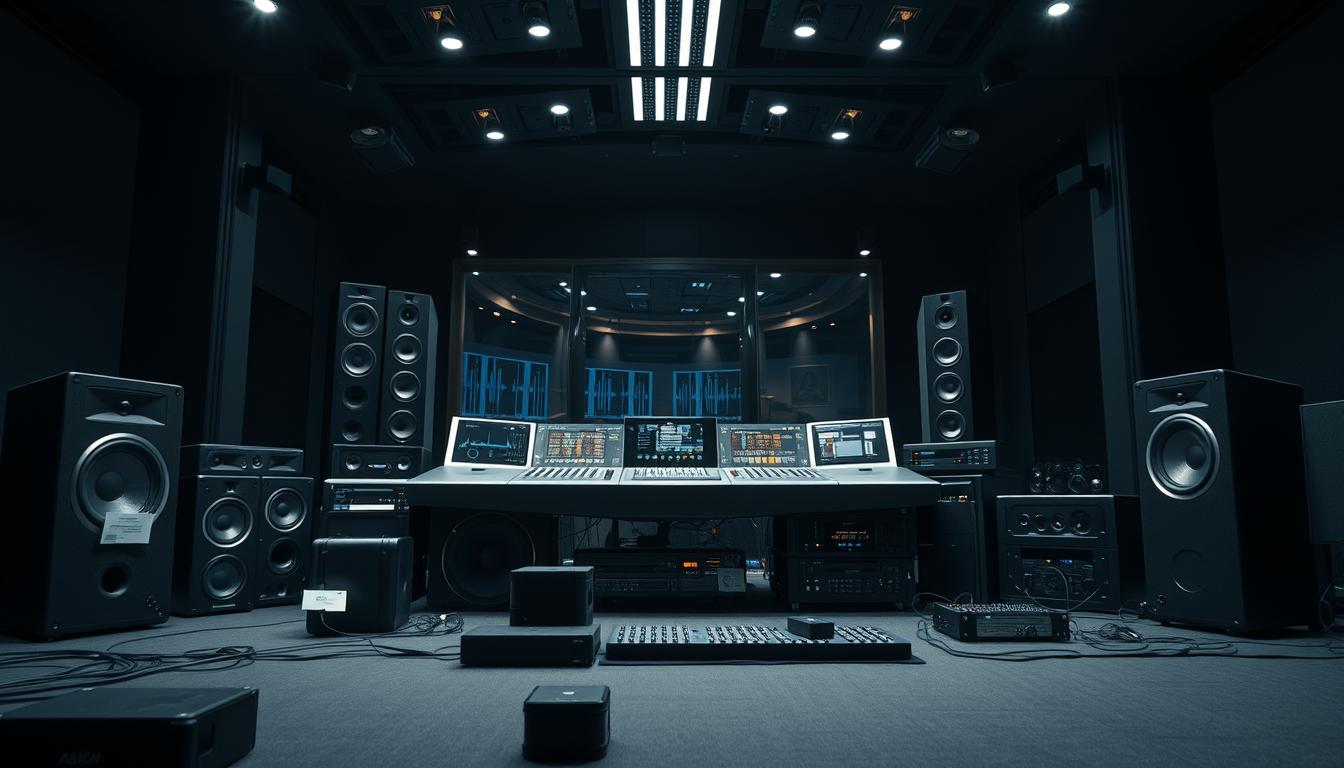
Bringing 3D audio to life in your projects starts with the right foundation. The quality of your sound sources and the techniques you use can make or break the immersive experience. Whether you’re working on virtual reality or interactive media, careful planning is essential.
Selecting the Right Audio Sources
Choosing the right audio sources is the first step. Mono and multi-channel recordings each have their strengths. Mono sources are ideal for precise placement, while multi-channel recordings add depth and richness.
Evaluate the quality of your sound files. High-resolution audio ensures clarity, while low-quality files can disrupt immersion. Tailor your sources to fit the environment you’re creating, whether it’s a quiet room or a bustling cityscape.
Consider the world you’re building. For example, in a virtual reality game, footsteps should sound different on wood than on gravel. This attention to detail enhances realism.
Integrating Dynamic Sound Techniques
Dynamic sound techniques bring your audio to life. Techniques like dynamic mixing adjust volume and effects in real time, responding to changes in the environment. This keeps the experience engaging and responsive.
Adaptive music is another powerful tool. It alters its composition based on events, creating a seamless narrative. For instance, music can shift from calm to intense as a player enters a battle scene.
Experiment with movement. Sounds that travel across the world you’ve created add depth. A car passing by or a bird flying overhead can make the scene feel alive.
By combining the right sources with dynamic techniques, you can create an immersive virtual reality experience. Every sound will feel natural, pulling your audience deeper into the world you’ve crafted.
Leveraging Tools and Technologies for Immersive Sound
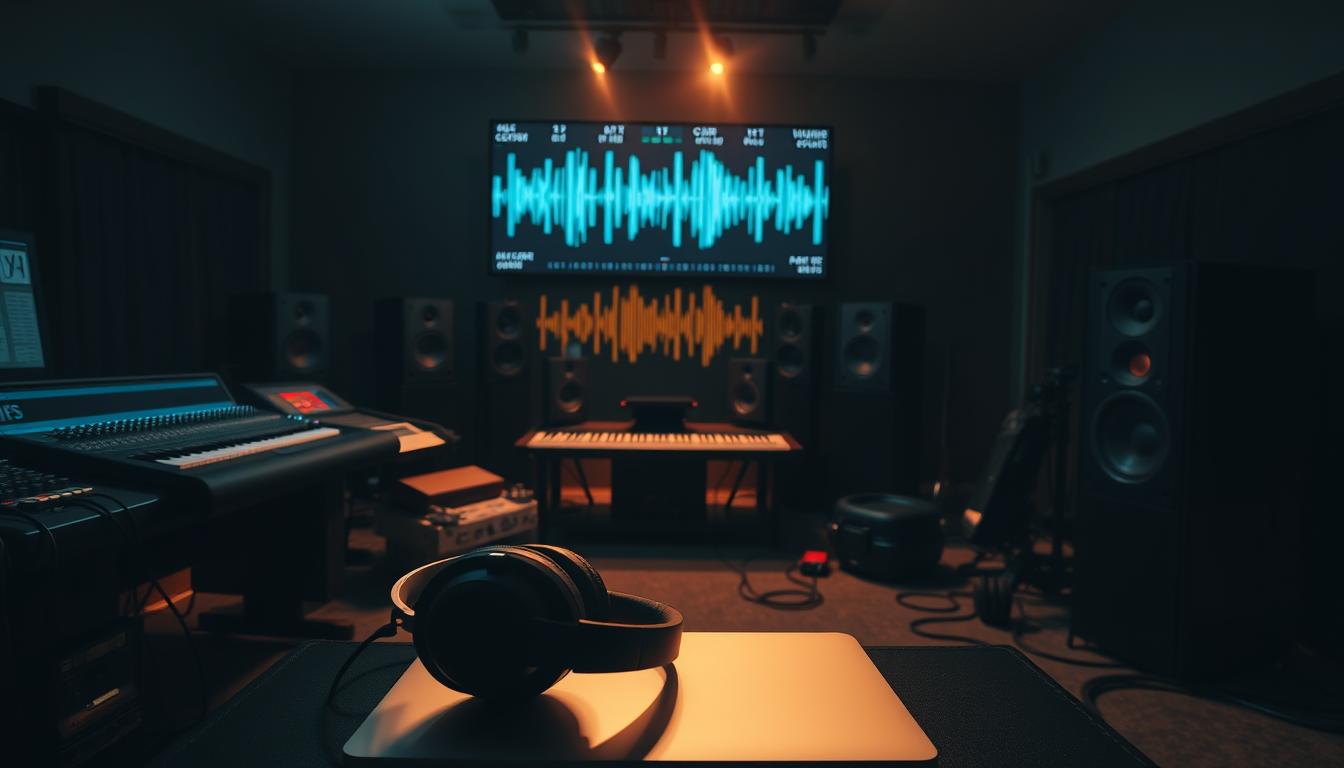
Creating immersive sound environments requires the right tools and technologies. Platforms like Audiocube and Dolby Atmos are leading the way, offering advanced features that transform how you design and experience audio. These tools simplify the process of arranging sound sources within a 3D space, ensuring precision and realism.
Using Platforms like Audiocube and Dolby Atmos
Audiocube is a powerful platform that specializes in spatial audio. It allows you to position sound sources with pinpoint accuracy, creating a lifelike audio experience. Whether you’re working on a game, film, or music project, Audiocube streamlines the process, making it accessible even for beginners.
Dolby Atmos, on the other hand, takes immersion to the next level with its object-based audio capabilities. Instead of being confined to channels, sounds can move freely in a 3D space. This creates a dynamic speaker environment, where every detail feels natural and engaging.
These platforms are not just about technology—they’re about enhancing the reality of your projects. By leveraging their features, you can deliver authentic audio experiences that captivate your audience.
Maximizing the Potential of Modern Tools
To get the most out of these platforms, start by understanding their core features. For example, Dolby Atmos excels in creating overhead effects, making it ideal for projects that require height in their positioning. Learn more about optimal Dolby Atmos speaker placement to enhance your setup.
Experiment with different sound sources. High-quality source files ensure clarity and depth, while dynamic techniques like adaptive mixing keep the experience engaging. Tools like Ambisonics and binaural audio can further enhance your projects, adding layers of realism.
Finally, test your setup across various devices. This ensures consistency and allows you to fine-tune your positioning for different environments. By mastering these tools, you can create immersive soundscapes that truly stand out.
Optimizing Your Audio Setup for Immersive Experiences
Getting the most out of your audio setup requires careful calibration and attention to detail. Whether you’re working with a traditional stereo system or advanced spatial configurations, the right techniques can transform your listening experience. This section will guide you through the steps to achieve optimal sound quality and troubleshoot common issues.

Calibration, Environmental Setup, and Troubleshooting
Calibration is the first step to ensuring your audio setup delivers the best performance. Start by aligning your speakers with your room’s acoustic properties. Use a sound meter to measure distance and adjust speaker placement for balanced sound distribution. This technique ensures every corner of the room receives equal audio clarity.
Comparing traditional stereo setups with advanced spatial configurations highlights the improvements in depth. While stereo systems rely on left and right channels, spatial audio adds height and directionality. This creates a more immersive experience, making sounds feel like they’re coming from all around you.
Balancing distance and volume is another crucial technique. Sounds closer to the listener should be louder, while distant sounds require softer tones and reverb. This balance enhances the sense of depth and realism in your audio setup.
Here are some troubleshooting tips for common issues:
- Echo or Reverb Issues: Add acoustic panels to reduce reflections and improve clarity.
- Uneven Sound Distribution: Adjust speaker angles and test different placements.
- Latency Problems: Check your audio interface and software settings for delays.
By following these steps, you can refine your audio setup for a truly immersive experience. Careful calibration and the right techniques ensure every sound feels natural and engaging.
Real-World Applications and Success Stories
Spatial audio is transforming industries by creating immersive experiences that captivate audiences. From gaming to film and music production, this technology is reshaping how we engage with content. Let’s explore some real-world applications and success stories that highlight its impact.
Case Studies in Gaming, Film, and Music Production
In the gaming industry, spatial audio has become a game-changer. Titles like Call of Duty and Fortnite use advanced recording techniques to create lifelike soundscapes. Players can hear footsteps behind them or bullets whizzing past, enhancing both strategy and immersion.
Films like Dune and Blade Runner 2049 have set new standards in audio storytelling. By leveraging platforms like Dolby Atmos, these movies deliver multi-dimensional sound that pulls viewers into the narrative. The role of spatial audio in film is to deepen emotional engagement and create a more cinematic experience.
In music production, artists like Billie Eilish and The Weeknd are experimenting with spatial audio to craft unique listening experiences. Albums mixed in Dolby Atmos allow fans to feel like they’re inside the music, surrounded by every instrument and vocal layer.
Innovative Features in Modern Platforms
Modern platforms are pushing the boundaries of what’s possible with spatial audio. For example, the L-ISA Immersive Hyperreal Sound System uses multiple speakers to create a 3D sound environment. This feature is particularly effective in live concerts, where it enhances the audience’s connection to the performance.
Another standout is the d&b Soundscape system, which integrates loudspeakers and processing units to position sound sources in a 3D space. This technology is widely used in theater productions and large-scale events, offering unparalleled realism.
| Platform | Key Feature | Application |
|---|---|---|
| Dolby Atmos | Object-based audio | Film, gaming, music |
| L-ISA | Hyperreal sound | Live concerts |
| d&b Soundscape | 3D sound positioning | Theater, events |
These platforms are not just tools—they’re gateways to new creative possibilities. By integrating spatial audio into your projects, you can elevate the role of sound in storytelling and user engagement. For more insights on optimizing your setup, explore our guide on creating a music-focused home theater.
Creative Strategies for Enhancing Your Soundscapes
Crafting immersive audio experiences requires a blend of creativity and technical precision. By combining innovative techniques with careful planning, you can transform standard production into professional-grade content. Whether you’re working on music, film, or gaming, these strategies will help you achieve a seamless immersion that captivates your audience.
Innovative Production Techniques
Start by layering multiple sounds to create depth and richness. Studies show that effective layering can improve listener retention by up to 50%. Use tools like spectral analyzers to identify frequency clashes and ensure clarity in your mix. This technique reduces muddiness by 30%, making your content more engaging.
Incorporate dynamic soundscapes that evolve over time. Research indicates that evolving audio increases emotional response by 40%. For example, a calm track that gradually intensifies can heighten tension in a scene. This approach keeps your user engaged throughout the experience.
Practical Tips for a Professional Audio Experience
Optimize your content for both traditional and spatial audio systems. While stereo sound works for basic setups, spatial audio adds height and directionality, enhancing realism. Test your audio across different devices to ensure consistency and quality for every user.
Balance foreground and background sounds to maintain clarity. Use techniques like panning and reverb to position sounds in a 3D space. This creates a lifelike environment that deepens immersion. For example, a whisper behind the listener feels more authentic with subtle reverb.
| Technique | Benefit |
|---|---|
| Layering Sounds | Increases depth and richness |
| Dynamic Soundscapes | Enhances emotional response |
| Frequency Management | Improves mix clarity |
| Balancing Foreground/Background | Maintains clarity and immersion |
By mastering these strategies, you can elevate your production and create audio experiences that resonate with your audience. Whether you’re a beginner or a seasoned professional, these tips will help you achieve a polished and immersive soundscape.
Conclusion
The evolution of sound technology has redefined how we experience audio in everyday life. From scientific advancements to creative techniques, the field of immersive audio has reached new heights. By integrating head-related transfer functions, spatial audio delivers unparalleled realism, making every sound feel natural and engaging.
This technology has transformed virtual environments, enhancing both professional and personal listening experiences. Whether you’re in a room or exploring a digital world, the level of immersion is unmatched. The combination of precise audio placement and dynamic sound techniques ensures every detail is captured.
As you continue to innovate in your projects, consider the impact of these advancements. By applying these insights, you can elevate your audio creations and captivate your audience like never before.
FAQ
What is 3D audio and spatial sound?
3D audio and spatial sound create an immersive listening experience by simulating how sound interacts with your environment. This technology uses advanced techniques to position audio sources in a three-dimensional space, making it feel like sounds are coming from specific directions and distances.
How does 3D audio differ from traditional stereo or surround sound?
Traditional stereo sound uses two channels to create a left-right audio experience, while surround sound adds more speakers for a broader field. 3D audio goes further by incorporating height and depth, making it more immersive and realistic.
What is binaural recording and HRTF?
Binaural recording captures sound using two microphones placed in a dummy head to mimic human hearing. HRTF (Head-Related Transfer Function) is a mathematical model that simulates how sound waves interact with your head and ears, enabling precise audio positioning.
How can I effectively place audio in a 3D space?
Start by identifying the source and its intended position. Use tools to adjust distance, volume, and movement. Balance these elements to create a natural and immersive soundscape that aligns with your project’s goals.
What tools can I use to create immersive audio?
Platforms like Audiocube and Dolby Atmos are popular for producing immersive audio. These tools offer advanced features for spatial sound design, allowing you to craft detailed and dynamic audio experiences.
How do I optimize my setup for 3D audio?
Calibrate your equipment to ensure accurate sound reproduction. Consider your environment’s acoustics and troubleshoot any issues. Proper setup enhances the clarity and depth of your audio.
Where is 3D audio commonly used?
3D audio is widely used in gaming, film, and music production. It enhances storytelling by creating realistic soundscapes that draw listeners into the experience.
What are some creative strategies for improving soundscapes?
Experiment with innovative production techniques like layering sounds and using dynamic movement. Focus on practical tips, such as maintaining consistent volume levels and ensuring audio clarity, to achieve a professional result.