Did you know that over 90% of modern theaters feature ruby red seating, a color associated with luxury and excitement? This same level of sophistication can be achieved in your own space with a creative DIY project. Crafting custom backdrops not only enhances the ambiance but also adds a personal touch to your environment.
Creating these backdrops is a rewarding project that combines woodworking, painting, and design. With the right tools and a bit of planning, you can achieve a professional look that rivals high-end setups. Whether you’re aiming for a slate finish or an ocean blue design, the possibilities are endless.
This guide will walk you through the process step-by-step, ensuring you have all the information needed to succeed. From selecting materials to applying the final touches, every detail is covered to help you create a stunning backdrop that transforms your space.
Key Takeaways
- Custom backdrops add a unique and personalized touch to any space.
- Woodworking projects are both durable and visually appealing.
- Proper planning and preparation are essential for a successful project.
- Step-by-step instructions make the process easy to follow.
- Attention to detail ensures a professional and polished result.
Planning and Gathering Materials for Your Backdrop Project
Proper planning and material selection are the foundation of any successful DIY project. Taking the time to gather the right tools and supplies ensures a smooth process and a professional result. This step is crucial for achieving the desired look and durability of your final piece.
Essential Tools and Supplies
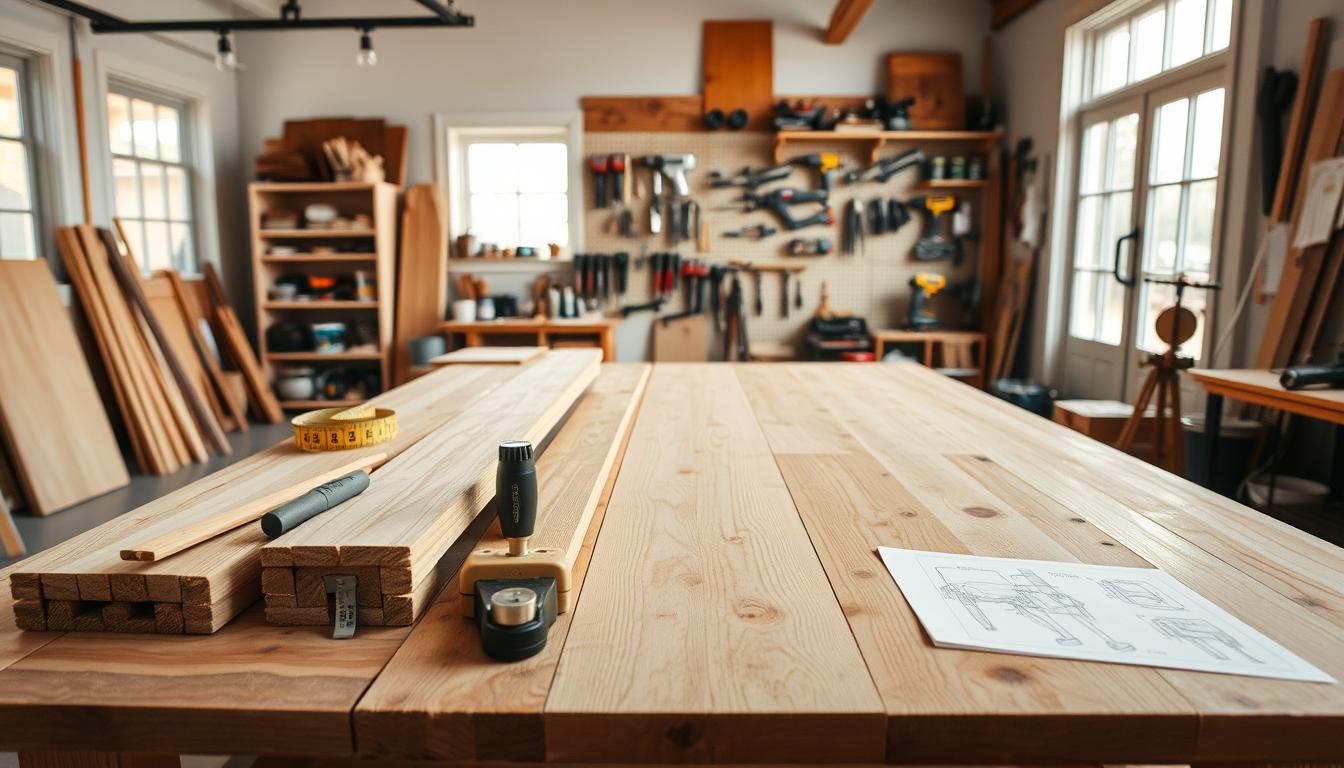
To get started, you’ll need a few key items. A 1/2″ sanded plywood is a great base for your project. Pair it with joint compound and 80-grit sanding paper to achieve a smooth surface. Foam rollers and flat sheen house paint, like Behr’s matte finish, are ideal for even coverage.
Don’t forget protective spray enamel clear for a durable finish. Various brushes and drop cloths will help keep your workspace clean. These tools are readily available at stores like Home Depot, often at affordable prices.
Choosing the Right Wood and Other Materials
The type of wood you choose can significantly impact the final appearance. Pine is a popular option due to its affordability and smooth texture. For a more rustic look, consider repurposing old table tops or sourcing unbranded wood from local stores.
Pay attention to surface texture and durability. A matte finish is essential for light absorption, giving your backdrop a professional touch. Proper material selection not only enhances the look but also simplifies the production process.
Finally, ensure you have a safe and organized workspace. Use drop cloths to protect surfaces and allow ample room for cutting and painting. With the right materials and preparation, your project will be both enjoyable and rewarding.
Build Wooden Backdrops for a Themed Home Theater Look: Step-by-Step Process
Transforming your space with a custom backdrop is easier than you think. Whether you’re aiming for a sleek slate finish or a vibrant ocean blue design, the process is straightforward with the right tools and techniques. Let’s dive into the details for each style.
Creating a Slate Finish Backdrop
Start by applying a joint compound to your chosen material. Use a spatula to work in diagonal strokes, ensuring even coverage. Once the compound dries, sand the surface with 80-grit sandpaper to achieve a smooth texture.
Next, apply multiple coats of black flat sheen paint. Allow each layer to dry completely before adding the next. Finish with a matte clear protective coat to enhance durability and prevent gloss.

Crafting an Ocean Blue Backdrop
Begin with a base coat of blue paint. Use a foam wedge to blend white strokes into the base color, creating a gradient effect. Dab grey paint with a sea sponge for added texture.
For depth, add dark blue accents using a rough surface brush. Blend the colors with a wet sponge to achieve a seamless finish. Finally, apply a protective clear enamel to preserve the design.
Both techniques require attention to detail and patience. With proper layering and finishing, you’ll achieve a professional result that enhances your space.
Enhancing and Customizing Your Backdrop
Adding unique textures and finishes can elevate your backdrop to a professional level. This step ensures durability and visual appeal, making your creation stand out. Whether you’re aiming for a rustic or modern look, customization is key to achieving the desired effect.
Adding Texture and Protective Coatings
Texture plays a vital role in enhancing the look of your backdrop. Use sanding techniques to create a smooth or rough surface, depending on your design. Applying a clear matte protective enamel not only guards against stains but also ensures longevity.
For added depth, consider layering paint or using sponges to create patterns. Protective coatings are essential for maintaining the finish, especially in high-traffic areas. This step ensures your backdrop remains pristine for years to come.
Incorporating Woodworking Skills and Design Elements
Woodworking skills can take your project to the next level. Use precise joints and layering techniques to add visual interest. Design elements like carved patterns or inset panels can create a unique focal point.
Think about the overall theme of your space. Incorporate details that complement the environment, such as matching colors or shapes. These small touches can make a big difference in the final result.
Exploring Alternative Backdrop Materials and Finishes
While wood is a popular choice, other materials can offer unique benefits. Fabric backdrops provide versatility and are easy to customize. Paper or cardboard options are cost-effective and ideal for temporary setups.
Experiment with different finishes, such as metallic or matte paints, to achieve the desired look. Alternative materials can also simplify the construction process, making your project more accessible.
Finally, consider supportive elements like a stage jack to ensure your backdrop is structurally sound. This addition not only enhances stability but also allows for easy adjustments during setup.
Conclusion
Creating a custom backdrop can transform your space into a professional and personalized environment. This guide has walked you through the essential steps, from gathering materials to applying detailed painting techniques. With careful planning and execution, your project will yield a durable and visually stunning result.
Experiment with different designs while maintaining the core techniques described. A well-crafted frame not only enhances the ambiance but also serves as a long-lasting addition to your space. The skills you develop through this process offer both creative satisfaction and practical benefits.
For an even more immersive experience, consider integrating acoustic treatment to improve sound quality. Share your results and explore advanced woodworking projects to further enhance your environment.
FAQ
What tools are essential for creating a wooden backdrop?
You’ll need basic tools like a saw, drill, measuring tape, sandpaper, and clamps. A level and paintbrushes are also helpful for finishing touches.
How do I choose the right wood for my project?
Opt for durable materials like pine or plywood. Consider the weight, finish, and how well it fits your design theme.
Can I create a slate finish backdrop without professional experience?
Yes, you can achieve a slate finish by using textured paint and a sponge technique. Practice on a small piece first to perfect your method.
What steps are involved in crafting an ocean blue backdrop?
Start by painting the base layer in blue. Add layers of lighter shades and white for a wave effect. Seal it with a protective coating for durability.
How can I add texture to my backdrop?
Use techniques like wood carving, stenciling, or applying joint compound. Experiment with different tools to achieve your desired look.
What protective coatings work best for wooden backdrops?
Polyurethane or varnish provides a durable finish. Choose between matte, satin, or glossy based on your preference.
Are there alternative materials I can use instead of wood?
Yes, consider materials like foam board, PVC, or fabric. These options are lightweight and can be customized to fit your theme.
How can I incorporate woodworking skills into my design?
Add decorative elements like carved patterns, frames, or 3D accents. These details enhance the overall aesthetic of your backdrop.