Did you know that everyday noise levels in your home can reach up to 70 decibels? That’s as loud as a vacuum cleaner running nonstop. Excessive noise can disrupt your peace, especially in spaces meant for relaxation or focused activities like watching movies or working from home.
Creating a quieter environment doesn’t have to be complicated. By integrating simple techniques, you can significantly reduce unwanted sound. Custom-built panels and thoughtful modifications not only block noise but also add a touch of style to your space.
Effective insulation and strategic placement of materials can transform any room. Whether it’s a shared wall or an open area, these adjustments ensure a more serene atmosphere. This article will guide you through practical steps to achieve a quieter, more comfortable home.
Key Takeaways
- Everyday noise can disrupt your peace and focus.
- Custom panels reduce noise and enhance room aesthetics.
- Proper insulation is key to blocking unwanted sound.
- Strategic material placement can transform any space.
- Simple modifications make a big difference in noise reduction.
Introduction to DIY Soundproofing and Woodworking
Living in a noisy environment can make it hard to relax or focus, especially when you’re trying to enjoy your favorite shows. A quiet space is essential for optimal viewing, and simple modifications can make a big difference. Whether it’s a shared wall or an open area, thoughtful adjustments can transform your home into a peaceful retreat.
Understanding the Importance of a Quiet Viewing Space
Noise can disrupt your experience, whether you’re watching a movie or working from home. Personal stories often highlight how living in loud environments led to innovative solutions. For example, adding foam underlayments or upgrading your door can significantly reduce disturbances. These changes not only block noise but also enhance the overall ambiance of your space.

Current Trends in DIY Soundproofing
Today, the focus is on combining aesthetics with functionality. Heavy-duty drywall and specialized materials are popular choices for reducing noise. These trends reflect a growing desire for spaces that are both beautiful and functional. By integrating these techniques, you can create a home that’s both stylish and serene.
For those looking to dive deeper, learning how to create a soundproof room for a home can provide valuable insights. This approach ensures your space is optimized for both sound quality and comfort.
Understanding Sound and Noise Reduction Principles
Understanding how sound moves through your home is the first step to creating a quieter space. Sound travels as vibrations, which can pass through walls, ceilings, and even floors. These vibrations are what make noise seem inescapable, especially in shared spaces or rooms with thin barriers.
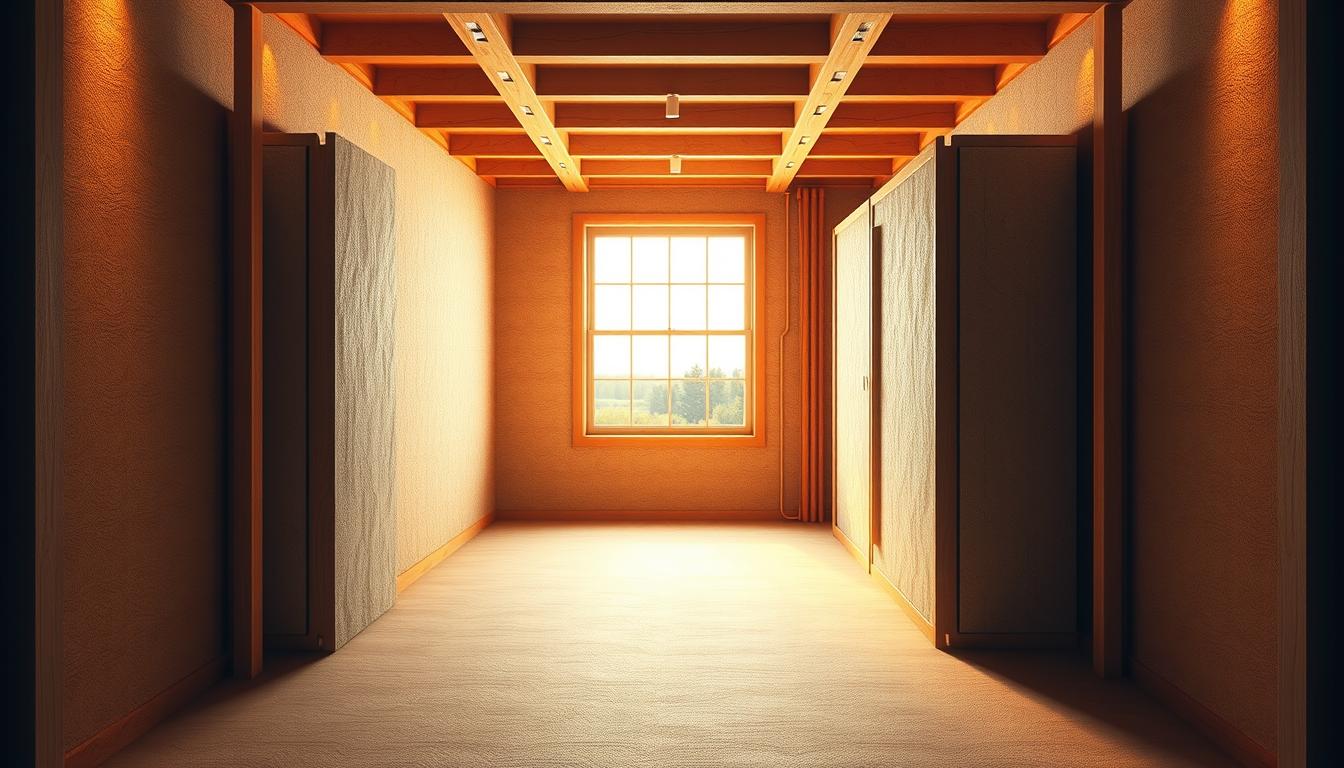
How Sound Travels Through Walls and Ceilings
Sound waves move through structures by vibrating the materials they encounter. For example, a loud noise in one room can cause the walls to vibrate, transferring the sound to the next room. This is why even small gaps or cracks in your walls can let in unwanted noise.
Ceilings and floors are also common pathways for sound. Footsteps or voices from above can easily travel through thin ceilings, while sounds from below can seep through uncarpeted floors. Understanding these pathways helps you target the right areas for noise reduction.
The Role of Material Density and Mass
The density and mass of a material play a crucial role in blocking sound. Heavier materials, like thick drywall or concrete, are more effective at stopping vibrations. This is because they require more energy to vibrate, making it harder for sound to pass through.
Adding layers of dense material, such as extra drywall or OSB, can significantly reduce noise. For example, doubling up on drywall or using specialized acoustic panels can create a barrier that sound struggles to penetrate. This approach is especially useful for shared walls or noisy rooms.
“The effectiveness of soundproofing increases with mass. Adding a layer of drywall can reduce sound transmission, but the thickness and density of the material matter most.”
Improper material selection can compromise your efforts. For instance, using thin or lightweight materials may not provide the noise reduction you need. Always choose materials with the right density and mass for your specific situation.
- Vibrations are the primary way sound travels through structures.
- Dense materials like thick drywall or concrete block sound more effectively.
- Adding layers of material can dramatically reduce noise transmission.
- Small gaps or cracks can undermine even the best soundproofing efforts.
By understanding these principles, you can make informed decisions about which materials and techniques will work best for your space. This knowledge is essential before diving into any practical projects.
DIY Soundproofing Solutions: Woodworking for Quiet Viewing
Combining craftsmanship with acoustic principles can transform your space into a peaceful retreat. By blending woodworking skills with soundproofing strategies, you can create custom solutions that are both functional and visually appealing. This approach allows you to address noise issues while enhancing your interior design.
Custom Panels for Noise Reduction
One effective method is designing and installing custom panels. These panels can be tailored to fit your ceiling or floor, ensuring they blend seamlessly into your space. Using materials like MDF or plywood, you can craft panels that not only block noise but also add a touch of elegance.
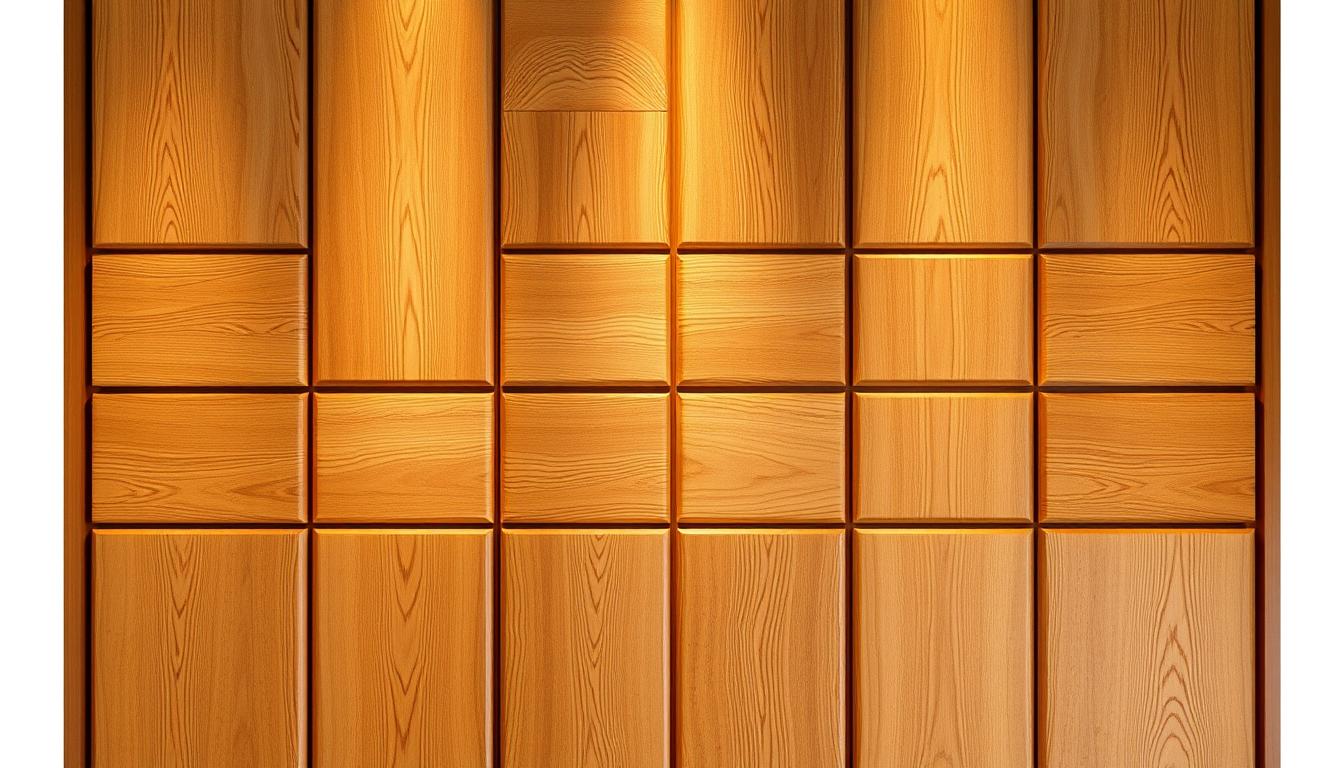
For example, adding a layer of acoustic foam behind the panels can enhance their effectiveness. This combination of wood and foam creates a barrier that reduces sound transmission while maintaining a stylish appearance.
Material Types and Options
Choosing the right materials is crucial for achieving both aesthetic and acoustic goals. Here’s a comparison of popular types:
| Material | Benefits | Best Use |
|---|---|---|
| MDF | Dense, easy to cut, affordable | Custom panels for walls or ceilings |
| Plywood | Strong, durable, versatile | Flooring or decorative panels |
| Acoustic Foam | Excellent sound absorption | Behind panels or on walls |
“The right material choice can make or break your project. Always consider both functionality and design when selecting materials.”
Design Ideas for Seamless Integration
When designing panels, think about how they fit into your interior. For instance, using wood with a natural finish can complement a rustic theme. Alternatively, painted panels can match modern decor.
Here are some ideas to inspire your project:
- Create geometric patterns with contrasting wood tones.
- Incorporate fabric covers for added texture and sound absorption.
- Use reclaimed wood for an eco-friendly option.
By carefully planning your design, you can ensure your panels serve as both noise barriers and decorative elements. This dual-purpose approach maximizes the value of your efforts.
Preparing Your Workspace and Tools
Setting up your workspace correctly is the foundation of any successful project. A well-organized area ensures efficiency and safety, especially when working with tools and materials. Before diving into your task, take the time to gather all necessary equipment and plan your layout.
Essential Equipment and Safety Measures
Having the right tools is crucial for achieving professional results. Power tools like drills, saws, and sanders are essential for cutting and shaping materials. Measuring instruments, such as tape measures and levels, ensure precision in your work.
Safety should always come first. Wear protective gear, including gloves, goggles, and ear protection, especially when using loud tools. Prolonged exposure to noise levels above 85 dB can harm your hearing, so always prioritize safety.
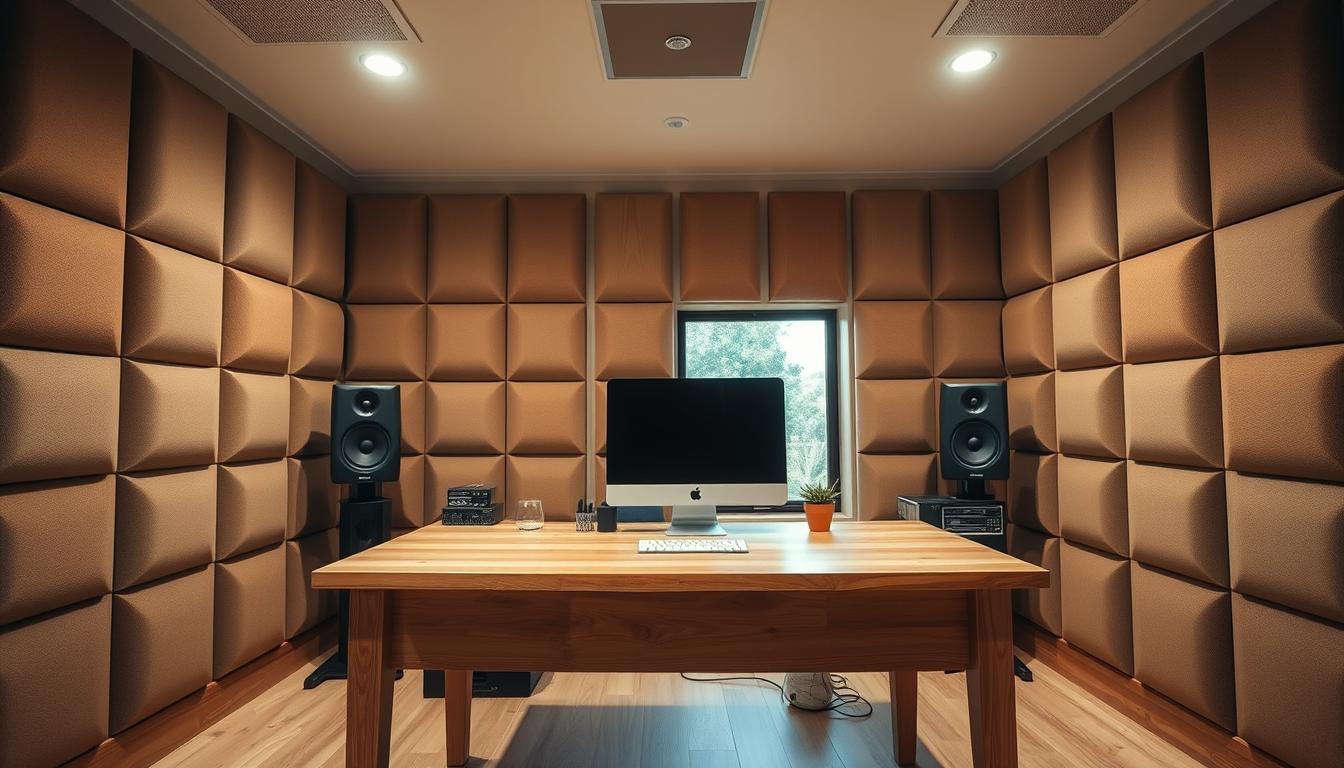
- Keep your workspace clean and free of clutter.
- Ensure all tools are in good working condition before use.
- Follow manufacturer guidelines for power tools.
Tips for Selecting the Right Wood and Materials
Choosing the right materials is key to the success of your project. For acoustic panel installations, opt for dense woods like MDF or plywood. These materials are effective at blocking noise and are easy to work with.
Consider the following when selecting materials:
- Compatibility with acoustic panel designs.
- Durability and ease of cutting.
- Aesthetic appeal to match your house decor.
Here’s a quick comparison of popular options:
| Material | Benefits |
|---|---|
| MDF | Dense, affordable, easy to cut |
| Plywood | Strong, versatile, durable |
“The right material choice can make or break your project. Always consider both functionality and design when selecting materials.”
By following these steps, you’ll create a workspace that’s safe, efficient, and ready for your next project. Proper preparation ensures better results and a smoother process.
Step-by-Step Guide to Building Custom Acoustic Panels
Creating custom acoustic panels is a practical way to enhance your space while reducing noise. This guide will walk you through the process, from designing to installation, ensuring your panels are both functional and visually appealing.
Designing and Cutting Wood Panels
Start by measuring the area where you plan to install the panels. Accurate measurements ensure a perfect fit. Use a tool like a tape measure and level to mark the dimensions on your chosen material, such as MDF or plywood.
Next, cut the wood to size using a saw. Ensure the edges are smooth and even. The mass and density of the material are crucial for effective noise reduction. Thicker panels, like 2-inch MDF, provide better sound dampening.
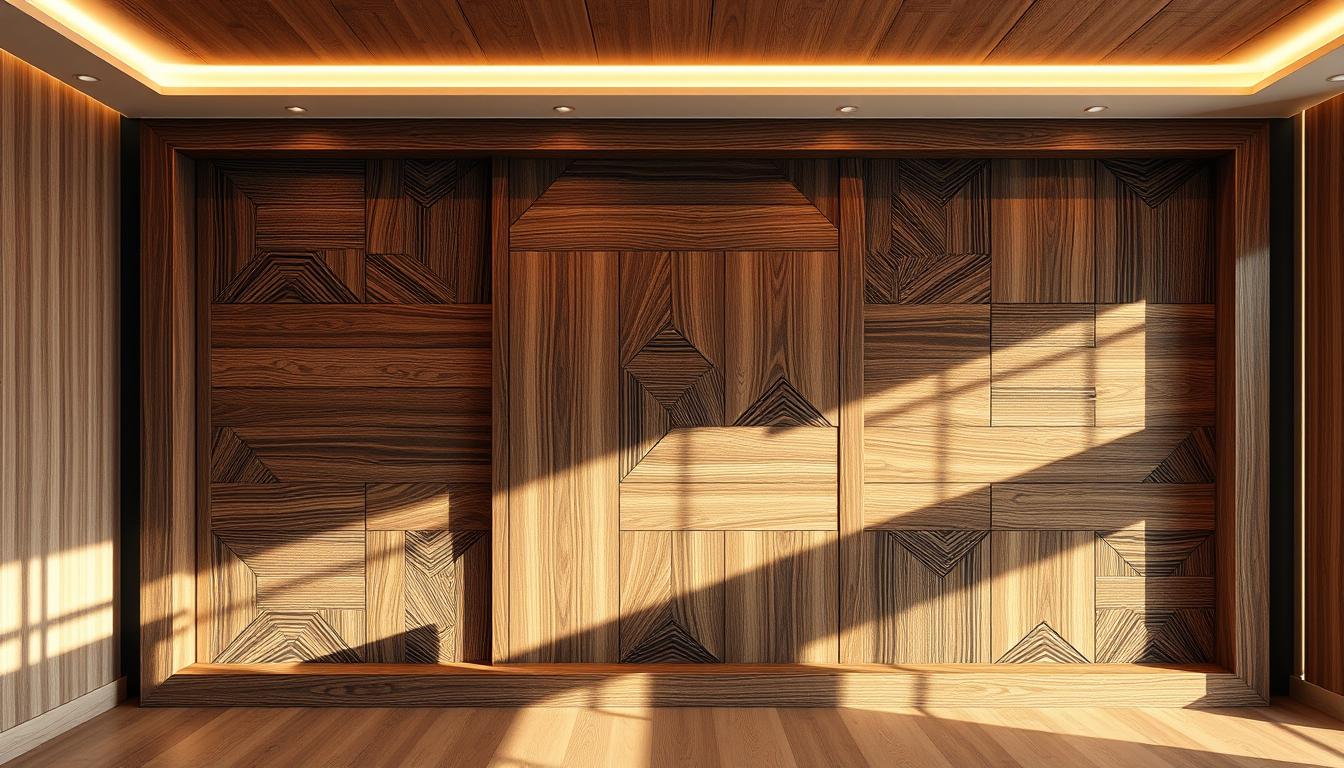
Installation Techniques for Maximum Sound Dampening
Once your panels are ready, it’s time to install them. Begin by attaching acoustic foam to the back of each panel. This combination of wood and foam creates a barrier that significantly reduces sound transmission.
Use adhesives or mechanical fasteners to secure the panels to your wall or ceiling. Ensure they are firmly attached to prevent vibrations. Proper installation ensures long-term durability and optimal performance.
“The right installation technique can make all the difference. Secure panels tightly to avoid gaps that let sound through.”
Here are some common pitfalls to avoid:
- Using materials with insufficient mass or density.
- Leaving gaps between panels and the wall.
- Improperly securing panels, leading to vibrations.
By following these steps, you can create custom acoustic panels that enhance your space and reduce noise effectively. Whether you’re a novice or an experienced woodworking enthusiast, this guide provides a practical solution for a quieter environment.
Enhancing Insulation with Complementary Materials
Combining functional and decorative elements can elevate both style and sound control. While custom panels are effective, adding complementary materials can further enhance your project. These additions not only improve noise reduction but also integrate seamlessly into your space.
Using Foam, Rugs, and Specialized Underlayments
Foam underlayments are a practical choice for reducing noise. Placing them beneath flooring or behind panels adds an extra layer of insulation. Thick rug pads also absorb sound, especially in rooms with hard surfaces like wood or tile.
Specialized underlayments, such as those made from rubber or cork, are excellent for wall ceiling applications. They provide both sound dampening and thermal insulation, making them a versatile addition to any project.
Integrating Bookshelves and Decorative Acoustic Panels
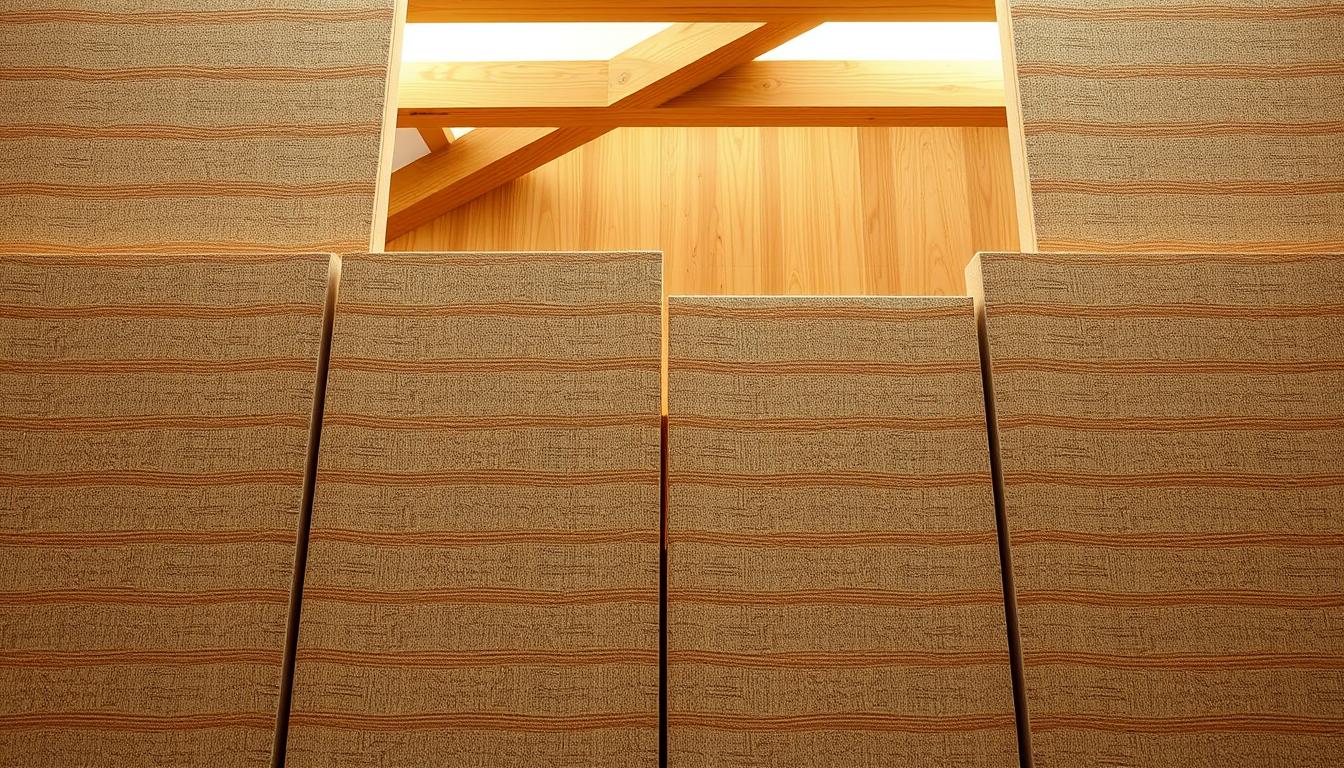
Bookshelves are a creative way to enhance sound control. Filling them with books or decorative items adds mass, which helps block noise. Placing a bookshelf against a shared wall can significantly reduce sound transmission.
Decorative acoustic panels are another stylish option. These panels come in various designs and colors, allowing you to match your space’s aesthetic. They serve as both functional noise barriers and eye-catching decor.
“Integrating bookshelves and decorative panels not only reduces noise but also adds character to your space.”
Here’s a comparison of popular complementary materials:
| Material | Benefits | Best Use |
|---|---|---|
| Foam Underlayment | Lightweight, easy to install, affordable | Behind panels or beneath flooring |
| Thick Rug Pads | Absorbs sound, adds comfort | Living rooms or bedrooms |
| Decorative Panels | Stylish, customizable, functional | Walls or ceilings |
By combining these materials, you can create a more effective noise barrier. Whether it’s a shared wall or an open area, these additions ensure a quieter and more comfortable environment.
Sealing Gaps and Minimizing Sound Leaks
Small gaps in your home can let in more noise than you might expect. Even tiny cracks around windows, doors, or electrical boxes can compromise your efforts to create a quieter space. Addressing these gaps is essential for effective noise reduction.
By sealing these areas, you can significantly reduce the frequency of sound leaks. This process involves identifying problem spots and using the right materials to create a continuous barrier. Let’s explore practical solutions to tackle this issue.
Applying Draft Stoppers and Acoustical Caulk
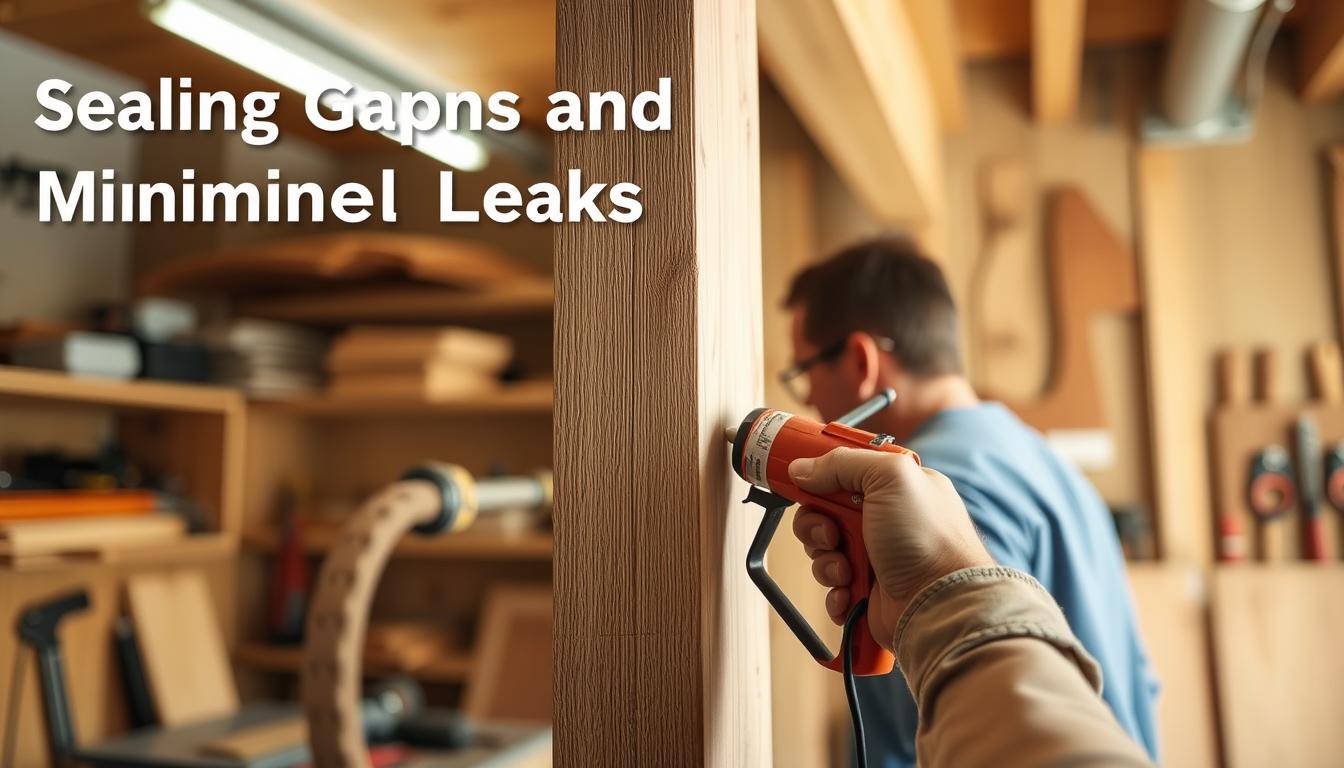
Draft stoppers are an easy way to seal gaps under doors. These simple devices block both air and sound, making them a cost-effective solution. For larger gaps, acoustical caulk is a more durable option.
Acoustical caulk is designed to remain flexible, preventing cracks from reopening over time. Apply it around window frames, electrical boxes, and any other areas where sound might leak. This creates a tight seal that reduces noise transmission.
“Using acoustical caulk around electrical boxes can significantly reduce sound leakage, especially in shared walls.”
Here are some tips for effective application:
- Clean the area thoroughly before applying caulk.
- Use a caulk gun for precise application.
- Allow the caulk to cure completely before testing its effectiveness.
Installing Thick Window Treatments and Door Upgrades
Windows and doors are common sources of sound leaks. Upgrading these areas can make a big difference. Start by installing thick window treatments, such as heavy curtains or cellular shades. These materials absorb sound and block outside noise.
For doors, consider adding weatherstripping or upgrading to a solid-core model. Solid-core doors are denser and provide better sound insulation than hollow-core ones. Door sweeps are another effective solution for sealing gaps at the bottom.
Here’s a comparison of popular options:
| Material | Benefits | Best Use |
|---|---|---|
| Heavy Curtains | Absorbs sound, blocks light | Living rooms or bedrooms |
| Solid-Core Doors | Dense, durable, effective | Entryways or shared walls |
| Door Sweeps | Seals gaps, easy to install | Bottom of doors |
By addressing these areas, you can create a more effective barrier against noise. Whether it’s a shared wall or an open space, these upgrades ensure a quieter and more comfortable environment.
Advanced Techniques: Decoupling and Adding Mass to Walls
Taking your noise control efforts to the next level requires advanced methods. While basic techniques like adding panels or sealing gaps are effective, decoupling and adding mass to walls can significantly enhance soundproofing. These methods target the root cause of noise transmission—vibration—and provide a more comprehensive solution.
Staggered-Stud Construction and Double Walls
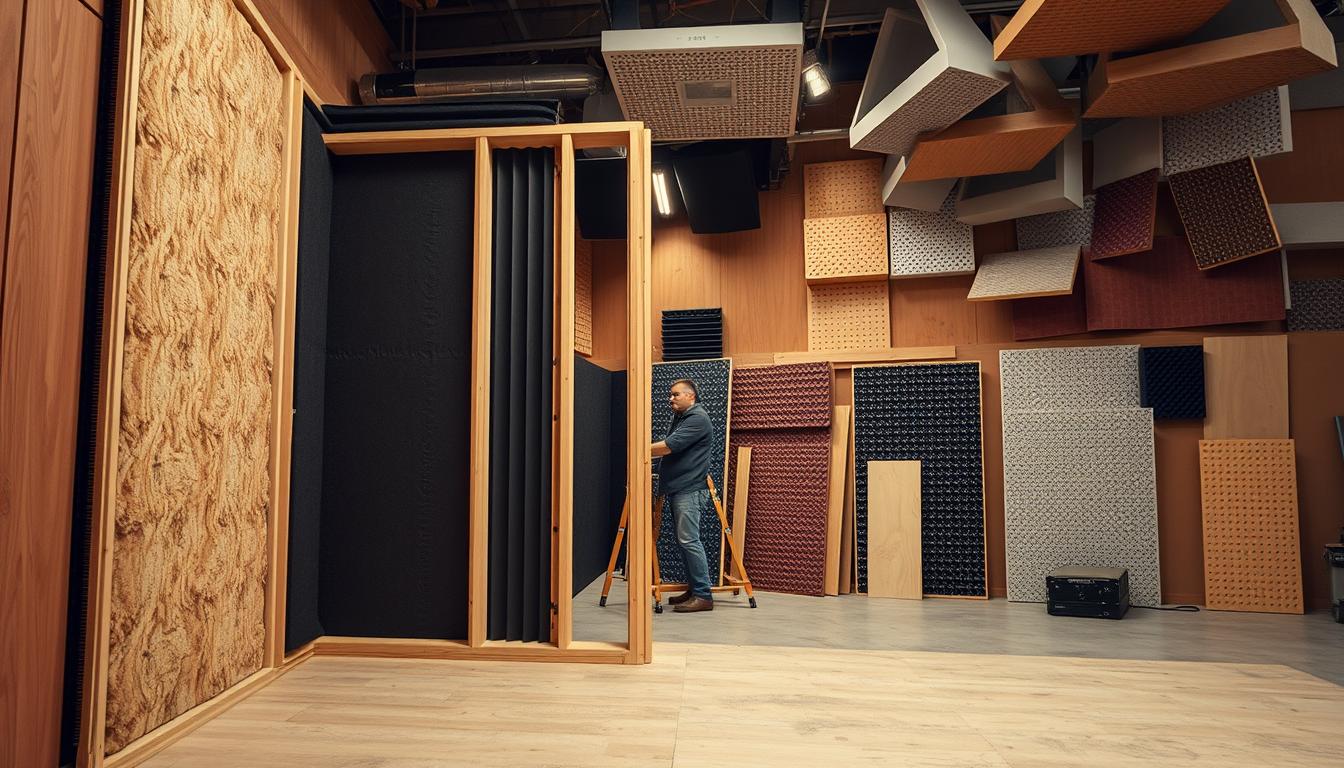
Decoupling walls is a proven way to prevent vibration transfer. Staggered-stud construction involves offsetting studs in a wall frame, reducing direct contact between surfaces. This minimizes the transfer of sound waves from one side of the wall to the other.
Double walls take this concept further by creating two separate wall frames with an air gap in between. This gap acts as a buffer, significantly reducing noise transmission. Both methods are ideal for shared walls or spaces requiring high sound isolation.
“Decoupling walls can reduce sound transmission by up to 80%, making it one of the most effective techniques for noise control.”
Utilizing Mass-Loaded Vinyl for Enhanced Soundproofing
Adding mass to walls is another advanced technique. Mass-loaded vinyl (MLV) is a dense, flexible material that absorbs sound effectively. It’s particularly useful in tight spaces where traditional methods may not be feasible.
To install MLV, simply attach it to your wall or ceiling using adhesives or mechanical fasteners. Its high density makes it an excellent barrier for both airborne and impact noise. For best results, combine MLV with other materials like drywall or insulation.
Here’s a comparison of traditional and advanced techniques:
| Technique | Benefits | Best Use |
|---|---|---|
| Staggered-Stud Walls | Reduces vibration transfer, highly effective | Shared walls or high-noise areas |
| Double Walls | Creates an air gap, excellent sound isolation | Home theaters or recording studios |
| Mass-Loaded Vinyl | Dense, flexible, easy to install | Tight spaces or impact noise reduction |
When implementing these techniques, always consider your budget and local building codes. While advanced methods may require more effort and resources, the results are often worth the investment. For more insights on optimizing your space, check out this guide on soundproofing your home theater room.
Budget-Friendly DIY Projects for Quick Sound Reduction
You don’t need a big budget to create a quieter environment at home. With a few simple upgrades and affordable materials, you can significantly reduce unwanted noise. These projects are easy to implement and don’t require major renovations.
Simple Upgrades and Affordable Materials
Start by identifying areas where noise enters your space. Common culprits include doors, windows, and thin walls. Replacing a hollow-core door with a solid-core one is a cost-effective way to block sound. Adding weatherstripping or door sweeps can further seal gaps.
For windows, heavy curtains or cellular shades are an excellent choice. These materials absorb sound and block outside noise. If you’re working on a tight budget, consider reusing old wood to create custom panels. Adding a two layer of acoustic foam behind these panels enhances their effectiveness.
| Material | Benefits | Best Use |
|---|---|---|
| Solid-Core Doors | Dense, durable, effective | Entryways or shared walls |
| Heavy Curtains | Absorbs sound, blocks light | Living rooms or bedrooms |
| Acoustic Foam | Lightweight, easy to install | Behind panels or on walls |
Another creative solution is using rugs or carpets with soundproof liners. These not only dampen noise but also add warmth to your space. For exterior noise, consider adding mass-loaded vinyl to your walls. This dense material is flexible and easy to install.
“Small changes, like adding a rug or sealing gaps, can make a big difference in noise reduction.”
If you’re handy, you can create your own acoustic panels using reclaimed wood. This eco-friendly option is both functional and stylish. By combining these techniques, you can achieve a quieter home without breaking the bank.
Here are some key tips for budget-friendly noise control:
- Seal gaps around doors and windows with weatherstripping or caulk.
- Use heavy curtains or cellular shades to block outside noise.
- Add rugs or carpets with soundproof liners to dampen floor noise.
- Reuse old materials, like wood, to create custom panels.
- Consider mass-loaded vinyl for effective exterior noise reduction.
By focusing on these simple upgrades, you can create a more peaceful environment. Whether it’s a shared wall or an open space, these solutions ensure noticeable improvement without major effort.
Conclusion
Transforming your space into a peaceful retreat is easier than you think. By combining thoughtful planning with the right materials, you can achieve significant noise reduction. Whether you’re working on a shared wall or an open area, the techniques discussed here offer practical solutions.
From advanced methods like decoupling walls to budget-friendly upgrades like sealing gaps, there’s an option for every need. Remember, proper installation and quality materials are key to long-lasting results. Small changes, such as adding rugs or upgrading doors, can make a big difference.
Take the first step today. Experiment with these strategies in your home or workshop. With a little effort, you can create a noticeably quieter and more enjoyable living space.
FAQ
What materials are best for reducing noise in a room?
Materials like mass-loaded vinyl, acoustic foam, and dense insulation are highly effective. Adding thick rugs or specialized underlayments can also help dampen sound.
How can I soundproof a wall without major construction?
You can use acoustic panels, soundproof curtains, or weatherstripping to seal gaps. Adding a second layer of drywall with green glue is another simple solution.
What tools do I need for a DIY soundproofing project?
Essential tools include a utility knife, caulk gun, measuring tape, and power drill. Safety gear like gloves and goggles is also recommended.
Can woodworking techniques improve soundproofing?
Yes, woodworking can enhance soundproofing. Building custom acoustic panels or bookshelves adds both function and style to your space.
How do I stop sound from leaking through doors and windows?
Use draft stoppers, acoustical caulk, or thick window treatments. Upgrading to solid-core doors or double-pane windows can also make a big difference.
What’s the most budget-friendly way to reduce noise?
Start with affordable materials like rugs, curtains, or foam panels. Sealing gaps with weatherstripping is another low-cost option.
How does material density affect soundproofing?
Denser materials like mass-loaded vinyl or concrete block sound better because they add mass, which reduces vibrations and noise transmission.
What are advanced techniques for soundproofing walls?
Techniques like staggered-stud construction, double walls, or adding mass-loaded vinyl can significantly improve sound reduction.
Can I soundproof a room without professional help?
Absolutely. Many projects, like installing acoustic panels or sealing gaps, are manageable with basic tools and a little research.
How do I choose the right wood for acoustic panels?
Opt for medium-density fiberboard (MDF) or plywood. These materials are sturdy, easy to work with, and effective for sound absorption.