Understanding Home Theater Systems
Home theater systems have evolved significantly over the years, becoming an integral part of home entertainment. Understanding the components and configuration of these systems is essential for anyone considering a DIY installation or hiring professionals. At their core, home theater systems consist of several key elements: a display screen, audio components, video sources, and various accessories that enhance the overall experience. Familiarity with these components is crucial for making informed decisions about equipment selection and installation methods.
When contemplating a home theater system, the choice between DIY and professional installation often hinges on budget and desired quality. DIY enthusiasts may find it tempting to save costs by purchasing equipment and setting up the system themselves. However, the initial savings can be offset by the potential for costly mistakes if the installation is not executed correctly. Understanding the cost implications, including the expense of tools, equipment, and possible repairs or upgrades, is necessary before embarking on a DIY project.
The selection of equipment is a pivotal aspect of any home theater system. For DIY installations, individuals must possess a keen understanding of audio and video technology, as well as compatibility between components. While professional installers often have access to specialized equipment and resources that streamline the selection process, DIYers must conduct thorough research to ensure that chosen components work harmoniously. This knowledge is essential not only for achieving the desired picture and sound quality but also for avoiding common pitfalls that can arise from mismatched or subpar equipment.
Time investment is another critical factor to consider when deciding between DIY and professional installation. While a DIY project may seem appealing, it often requires significant time for research, purchasing, and setup. Additionally, the learning curve associated with mastering the necessary skills can extend the timeline further. In contrast, professional installers typically have the expertise to complete the job efficiently. They can also provide valuable insights into the calibration and optimization of the system, ensuring that it delivers the best possible performance.
Finally, long-term maintenance and customization options play a vital role in the overall success of a home theater system. DIY installations may allow for greater flexibility in terms of design and upgrades, as homeowners can modify their systems as new technology emerges. However, this requires ongoing commitment and knowledge to maintain and enhance performance. On the other hand, professional installations may come with support and maintenance services that relieve homeowners of the burden of upkeep, albeit often at a higher cost. Balancing these considerations is essential for anyone contemplating the installation of a home theater system.
The Rise of DIY Home Theater Projects
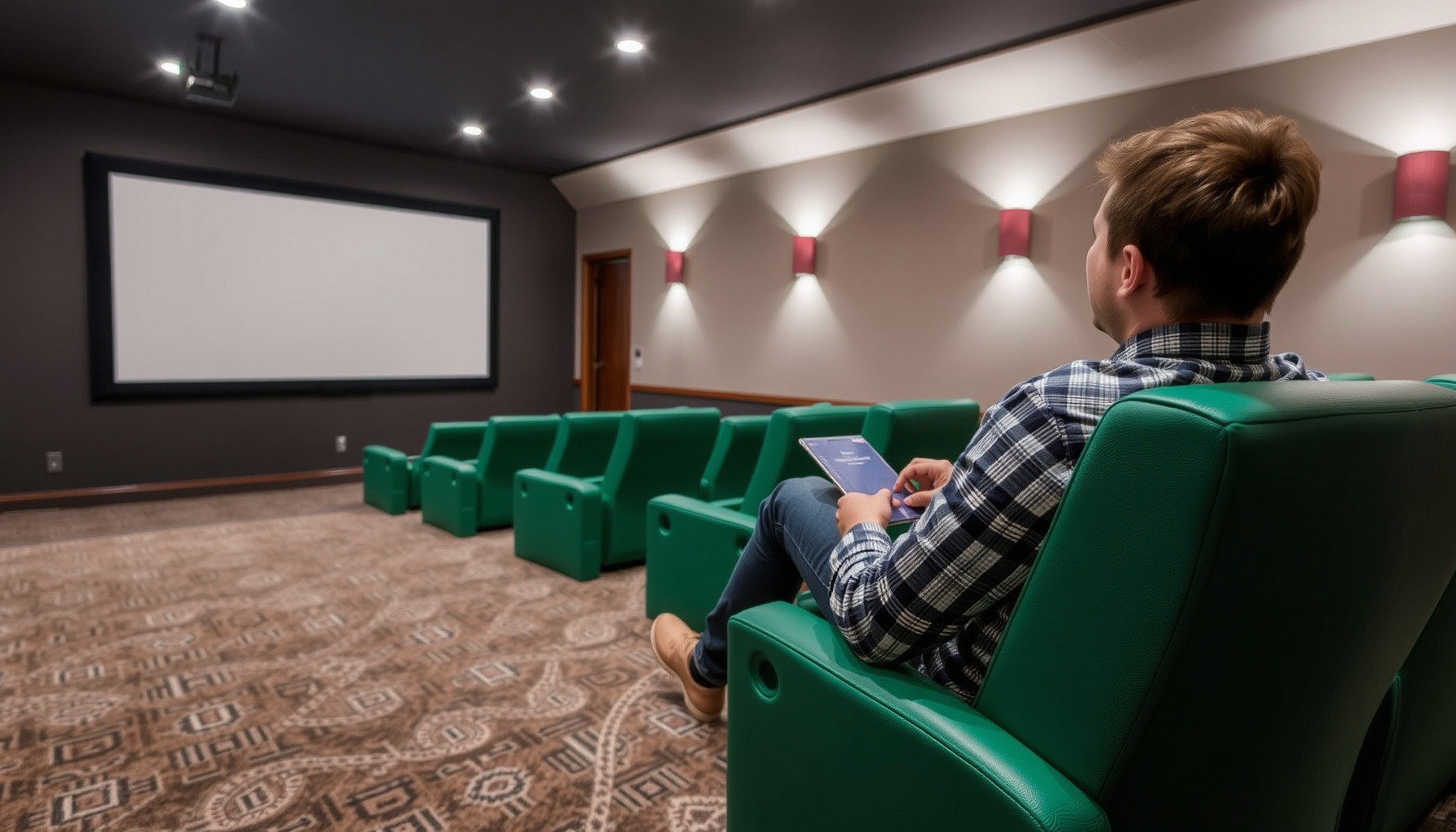
The rise of DIY home theater projects has transformed the landscape of home entertainment, empowering individuals to take control of their viewing experiences. As technology has advanced and become more accessible, the barriers to entry for creating a high-quality home theater have diminished significantly. With a plethora of online resources, forums, and video tutorials, hobbyists can now equip themselves with the knowledge and skills necessary to design and implement their own systems, often achieving results that rival professional installations at a fraction of the cost.
Cost analysis plays a crucial role in the appeal of DIY home theaters. While professional installation offers convenience and expertise, it often comes with a premium price tag. DIY enthusiasts can save substantial amounts by purchasing equipment directly and opting for self-installation. This financial incentive is further enhanced by the ability to customize projects according to personal budgets and preferences. However, it is essential to consider that initial savings may be offset by potential mistakes and the need for future upgrades or repairs, which can add to the overall cost.
Equipment selection is a fundamental aspect of any home theater project. With a wide variety of options available, DIYers can choose components that best fit their specific needs and preferences. This flexibility allows for a tailored experience, whether prioritizing audio quality, visual clarity, or smart home integration. Nevertheless, the vast array of choices can also lead to confusion and misinformed decisions. Knowledge of current trends and technologies is imperative for successful equipment selection, and DIYers should take the time to research and understand their options to avoid common pitfalls.
Time investment is another critical factor when comparing DIY home theater projects to professional installations. While hiring professionals can expedite the process and ensure a polished final product, embarking on a DIY project requires significant time and effort. Individuals must allocate time for research, purchasing, installation, and fine-tuning their systems. This commitment can be rewarding, as the satisfaction of building a personalized setup contributes to the overall enjoyment of the home theater experience. However, it is vital for DIYers to realistically assess their available time and willingness to engage in the complexities of installation.
Ultimately, the quality of sound and picture achieved in a DIY setup can be comparable to that of a professionally installed system, but success hinges on the DIYer’s experience and commitment. While professionals bring expertise and refined techniques to the table, motivated individuals can achieve impressive results through careful planning, research, and execution. The rise of DIY home theater projects reflects a growing trend towards personalization and self-sufficiency, allowing enthusiasts to create spaces that not only meet their entertainment needs but also reflect their unique tastes and preferences.
Overview of Professional Installation Services
Professional installation services for home theater systems encompass a range of offerings designed to optimize the performance and aesthetic of audio-visual setups. These services typically include site assessments, system design, equipment selection, and the physical installation of components. Professionals often bring extensive experience and specialized training that allows them to navigate the complexities of integrating various technologies while adhering to industry standards. This expertise can prove invaluable, particularly for high-end systems requiring precise calibration to achieve optimal sound and picture quality.
One of the primary advantages of hiring professional installers is their ability to customize the setup based on the unique characteristics of a room. They assess factors such as room dimensions, acoustics, and lighting conditions to create a tailored solution that maximizes performance. Additionally, professionals are well-versed in the latest technologies, ensuring that clients receive recommendations for equipment that not only meets their needs but also fits seamlessly into their home environment. This level of customization is often difficult to achieve in a DIY approach, where individuals may lack the insight into industry best practices.
Cost is a significant consideration when comparing professional installation to DIY solutions. While DIY projects may initially appear more budget-friendly, potential hidden costs can accumulate. Professionals typically provide a comprehensive quote that encompasses all aspects of installation, including labor and equipment. Moreover, the long-term savings associated with avoiding common DIY mistakes, such as improper wiring or suboptimal speaker placement, can make professional services a more economical choice over time. Clients may find that the investment in professional installation pays off through enhanced performance and reduced frustration.
Time investment is another critical factor in the decision-making process. DIY home theater setups can be time-consuming, requiring extensive research, planning, and execution. Homeowners often underestimate the time needed for system calibration and troubleshooting. In contrast, professional installers are equipped to complete projects efficiently, often within a single day or weekend. This expediency allows homeowners to enjoy their systems sooner without the stress of managing the installation process themselves. The convenience of outsourcing this task can be particularly appealing for those with busy schedules.
In addition to the technical aspects, professional installation services often include ongoing support and maintenance. Many companies provide warranties and services that cover future adjustments or repairs, ensuring that systems operate optimally over time. This long-term commitment to customer satisfaction can significantly enhance the overall ownership experience, as homeowners can rely on experts to manage any issues that arise. Ultimately, the choice between DIY and professional installation hinges on an individual’s priorities, whether they value cost savings, time efficiency, or the peace of mind that comes from expert assistance.

Evaluating Your Needs
Evaluating your needs is a crucial first step in deciding between DIY and professional home theater installation. Understanding your specific requirements will help you make a more informed choice that aligns with your expectations, budget, and lifestyle. Begin by assessing the primary purpose of your home theater. Are you an avid movie enthusiast wanting a cinematic experience, or do you plan to use the space for gaming, sports, or family gatherings? This evaluation will guide you in selecting the right equipment and determining the necessary features for your setup.
Next, consider your budget. While DIY installations can often be more cost-effective, the expenses can accumulate quickly with the purchase of equipment, tools, and any necessary modifications to your space. It is essential to create a detailed budget that encompasses not only the initial setup costs but also potential long-term maintenance expenses. On the other hand, professional installation services come with their own set of costs, often including labor and consultation fees. Weighing these financial aspects will provide clarity on what you can realistically afford and what value you expect from your investment.
Space considerations play a significant role in the evaluation process. Take a close look at the area designated for your home theater. Factors such as room dimensions, acoustics, and lighting will influence both the equipment you choose and the installation method. For DIY enthusiasts, an understanding of how to optimize the space for sound and picture quality is vital. Conversely, professionals typically bring expertise in designing and configuring the space to ensure maximum performance. Identifying any spatial constraints early on will help determine whether a DIY approach is feasible or if it would be better suited for expert hands.
Customization options are another essential factor when evaluating your needs. A DIY installation allows for a high degree of personalization, enabling you to select components that perfectly match your preferences in terms of aesthetics and functionality. However, this level of customization requires a solid understanding of the equipment and installation techniques. Professionals often provide a more streamlined approach, with access to high-quality components and design services that can lead to a tailored solution that may exceed what a DIY project could achieve.
Finally, consider the time investment required for both options. DIY projects demand a significant time commitment, from planning and purchasing to installation and troubleshooting. If you have the time and are willing to learn, a DIY setup can be rewarding. However, if your schedule is packed or if you prefer to enjoy the space rather than work on it, hiring professionals may be the better choice. Evaluating how much time you can realistically dedicate to this project will ultimately influence your decision and help you achieve the home theater experience you desire.
Pros and Cons of DIY Installation
The decision to undertake a DIY installation for a home theater system presents both advantages and disadvantages that potential installers should carefully evaluate. One significant benefit of DIY installation is cost savings. By opting to install the system independently, homeowners can avoid labor costs that typically come with hiring professionals. This can result in substantial savings, particularly for those who are budget-conscious or looking to allocate funds toward higher-quality equipment. Additionally, DIY installations allow for greater control over the project timeline, enabling individuals to work at their own pace without the constraints of a professional schedule.
However, the DIY approach is not without its challenges. A common drawback is the steep learning curve associated with understanding the various technologies and equipment involved in home theater setups. For individuals lacking experience or technical knowledge, this can lead to frustration and potentially costly mistakes. Furthermore, the time investment required for proper installation can be significant. While professionals may complete the task efficiently, DIY enthusiasts might find themselves dedicating weekends or even weeks to ensure everything is set up correctly, which can detract from other activities or responsibilities.
Quality of sound and picture is another critical consideration in the DIY versus professional installation debate. While many DIYers can achieve satisfactory results, the expertise of a professional installer often leads to superior outcomes. Professionals typically possess an in-depth understanding of acoustics, visual alignment, and equipment calibration, which can significantly enhance the overall performance of the home theater system. DIY installations may lack this level of precision, resulting in subpar audio and video quality that could diminish the viewing experience.
Customization is an area where DIY installations can shine. Homeowners have the flexibility to tailor the setup to their specific preferences and requirements, allowing for a unique design that reflects personal taste. This level of customization can extend to equipment selection, layout, and even aesthetic elements such as speaker placement and cable management. In contrast, professional installations may adhere to standardized practices that may not align with the homeowner’s vision or spatial constraints, limiting creative freedom.
In summary, the choice between DIY installation and professional assistance hinges on a variety of factors, including cost, time investment, quality, and customization. While DIY can offer financial advantages and personal satisfaction, it also entails risks related to technical know-how and the potential for diminished performance. Conversely, professional installation promises expertise and efficiency but may come at a higher price and with less flexibility. Homeowners must weigh these pros and cons carefully to determine the best approach for their individual needs and circumstances.
Pros and Cons of Professional Installation
When considering the installation of a home theater system, the choice between professional installation and a DIY approach presents both advantages and disadvantages that warrant careful examination. One of the primary benefits of professional installation is the expertise that trained technicians bring to the table. These professionals possess extensive knowledge of audio and visual technologies, as well as the experience required to navigate complex setups. They are adept at selecting the right equipment tailored to the specific needs of the space and can optimize the system for the best sound and picture quality. This expertise significantly reduces the likelihood of common mistakes that can occur in DIY projects, such as improper calibration or inadequate placement of speakers and screens.
On the other hand, the financial aspect of professional installation can be a considerable drawback. Hiring experts typically incurs additional costs, including labor fees, which can substantially increase the overall budget for a home theater project. For those who are cost-conscious or have a limited budget, this added expense may discourage them from pursuing professional installation. DIY enthusiasts can often achieve satisfactory results by investing time and effort into researching and acquiring the necessary tools and equipment, making this option more financially appealing for many homeowners.
Moreover, the time investment required for professional installation can be a deciding factor. While professionals can often complete installations quickly due to their experience, homeowners may also find that they need to accommodate the installation schedule, which could delay the project. In contrast, DIY installations allow for more flexibility in terms of timing. Homeowners can work at their own pace, tackling the project during weekends or evenings, allowing for a more customized timeline that fits their personal schedules. However, this flexibility can come with the downside of extended project durations if the homeowner is unfamiliar with the installation process.
Customization is another critical consideration when weighing the pros and cons of professional versus DIY installation. Professionals may offer limited customization options, often adhering to industry standards or pre-set packages. In contrast, DIY installations allow homeowners to tailor every aspect of their system, from equipment selection to room layout, providing a unique and personalized experience. This level of customization can be particularly appealing for those who have specific preferences or unique space considerations that require a more tailored approach.
Lastly, long-term maintenance plays a significant role in the decision-making process. Professional installations often come with warranties and ongoing support, providing peace of mind to homeowners regarding future issues or upgrades. Conversely, DIY installations require homeowners to take responsibility for upkeep, which can be daunting for those lacking technical expertise. While DIY enthusiasts may appreciate the control and hands-on experience, the absence of professional support can lead to challenges in troubleshooting and maintaining the system over time. Balancing these factors is essential for homeowners contemplating the best approach to their home theater installation.

Initial Costs: DIY vs. Professional
The decision between DIY and professional home theater installation often begins with a thorough analysis of initial costs. For many homeowners, budget constraints play a significant role in determining the approach they choose. DIY enthusiasts may find the allure of saving money irresistible, as the primary costs generally involve purchasing equipment and materials. Tools required for installation may already be on hand or can be acquired at a reasonable cost, allowing for a more budget-friendly approach. However, it is essential to consider not only the cost of equipment but also the potential expenses associated with mistakes or unforeseen complications that could arise during the installation process.
On the other hand, hiring professionals typically incurs higher upfront costs, as labor and expertise are factored into the total price. Professional installation services often come with a premium, reflecting the experience and knowledge of the technicians involved. This cost may seem daunting, but it includes a guarantee of quality workmanship, which can alleviate concerns about performance and reliability. Furthermore, professionals are equipped with specialized tools and have access to industry discounts on equipment, which can offset some of the expenses over time.
When evaluating the long-term financial implications, the initial costs must be weighed against potential savings. For DIY projects, any errors in installation can lead to additional expenses—be it through damaged equipment or the need for professional intervention to correct mistakes. Conversely, a professionally installed system may lead to fewer issues down the line, reducing the likelihood of costly repairs or upgrades in the future. The initial investment in professional services can be seen as a protective measure, ensuring that the system operates optimally from the beginning.
Customization is another critical factor that influences initial costs. DIY installations often provide a greater degree of freedom in terms of design and component selection, allowing homeowners to tailor their systems to their specific preferences and budgets. However, this flexibility can also lead to overspending if not carefully managed. In contrast, professionals typically offer packages that may limit customization but ensure that all components work together seamlessly. Homeowners must consider whether their vision for the space aligns more closely with a DIY approach or the structured offerings of professional services.
Ultimately, the decision between DIY and professional installation will hinge on individual priorities, including budget, desired quality, and willingness to invest time and effort into the project. While the initial costs present a significant factor, they represent only one piece of the puzzle. A comprehensive assessment of long-term value, including maintenance, quality of sound and picture, and user satisfaction, will provide a clearer picture of which option offers the best overall return on investment.
Hidden Costs in Professional Services
Hidden costs in professional services can significantly impact the overall budget for home theater installation, often overshadowing the initial quote provided by service providers. While it may seem convenient to hire professionals, potential clients should be aware that the final price may include various unforeseen expenses. These can stem from additional charges for equipment, unexpected labor costs, and even service fees that are not clearly outlined in the initial proposal. As such, a thorough understanding of these hidden costs is crucial for homeowners contemplating professional installation.
One common hidden cost is related to equipment selection. Professional installers often have preferred brands or models that may not align with the homeowner’s budget. Clients may find themselves upcharged for premium equipment that, while providing superior performance, can lead to a significant increase in the overall project cost. Furthermore, professionals might recommend additional components or accessories that are essential for optimal performance but were not part of the original scope. This can create a scenario where the homeowner’s budget is quickly exceeded, leading to financial strain or dissatisfaction with the investment.
Labor costs can also present a hidden challenge. While an initial estimate may cover the basic installation services, it may not account for complexities that arise during the installation process. For instance, if structural modifications are needed to accommodate wiring or if additional calibration is required to achieve optimal sound and picture quality, these services may incur extra fees. Additionally, the time required for installation can vary widely, and professionals may charge for every hour spent on-site, which can lead to escalating labor costs that were not anticipated.
Another often-overlooked aspect of hiring professionals is the potential for ongoing maintenance and support fees. Many service providers offer post-installation support or warranty services that, while beneficial, come with their own costs. Homeowners may find that they need to budget for routine maintenance or troubleshooting assistance that could arise after the installation is complete. Understanding these long-term financial commitments is essential, as they can erode the perceived value of hiring a professional.
In conclusion, while professional installation services can offer convenience and expertise, homeowners must be vigilant in identifying and accounting for the hidden costs associated with these services. A comprehensive cost analysis should include not only the upfront fees but also potential additional charges for equipment, labor complexities, and ongoing maintenance. By being aware of these factors, homeowners can make more informed decisions that align with their budget and expectations, ensuring satisfaction with their home theater investment.
Long-Term Cost Considerations
Long-term cost considerations play a crucial role in the decision-making process for home theater installation, whether opting for a DIY approach or hiring professionals. The initial expenses associated with either route can vary significantly, but understanding the ongoing costs is essential for a comprehensive financial assessment. Home theater systems require regular maintenance, upgrades, and potential repairs, all of which can add to the overall expenditure over time. Analyzing these factors can provide insights into which installation method may ultimately be more cost-effective.
For DIY enthusiasts, the initial investment often appears lower, as there are no labor costs associated with professional installation. However, the long-term costs can accumulate through necessary upgrades and the potential need for repairs. A DIY system may require a higher level of self-sufficiency in troubleshooting and maintenance, which could lead to additional expenses if professional help is needed down the line. Furthermore, equipment choices made during the DIY phase might not always account for future advancements in technology, necessitating more frequent upgrades.
In contrast, professional installations often come with higher upfront costs due to labor and expertise. However, this investment can lead to savings in the long run. Professionals typically select high-quality equipment and ensure that everything is properly calibrated for optimal performance. Their expertise can minimize the risk of costly mistakes that DIY installers might encounter, such as purchasing incompatible components or improperly setting up the system. These errors can lead to not only additional costs but also a diminished experience in sound and picture quality.
Another important aspect to consider is the warranty and support that often accompanies professionally installed systems. Professionals may provide maintenance services or recommend plans for ongoing support, which can mitigate long-term costs associated with repairs and replacements. Conversely, DIY installations may lack this safety net, leaving homeowners to navigate issues independently. This lack of professional support can lead to increased downtime and dissatisfaction with the home theater experience, prompting further financial investment to rectify the situation.
Ultimately, the decision between DIY and professional installation should encompass an analysis of long-term costs alongside initial expenditures. While DIY may seem economically appealing at the outset, the potential for unforeseen expenses can erode those savings over time. On the other hand, the upfront investment in professional installation can yield a more reliable and higher-quality home theater experience, ultimately proving to be the more prudent financial choice. Balancing initial costs with long-term maintenance and support will guide homeowners to make the most informed decision in their home theater journey.

Essential Components of a Home Theater
Essential components of a home theater are crucial in determining the overall experience and quality of entertainment. A successful home theater setup typically requires a combination of audio and visual equipment, seating arrangements, and additional accessories that contribute to an immersive environment. Understanding these components is essential whether one chooses to undertake a DIY project or enlist the help of professionals.
At the heart of any home theater is the display system, which can range from a standard television to a high-end projector and screen setup. The choice between these options significantly influences the viewing experience. While a projector may offer a cinematic feel with larger images, modern televisions provide superior brightness and contrast. Selecting the right display involves evaluating the room’s lighting conditions, space limitations, and personal preferences, which can differ greatly between DIY enthusiasts and professional installations.
Audio quality is another critical aspect of a home theater. A surround sound system, comprising multiple speakers strategically placed around the room, enhances the auditory experience. DIY installations often utilize soundbars or entry-level speaker systems to keep costs down, whereas professionals may recommend or install higher-end, calibrated systems to maximize sound quality. The choice of audio equipment affects not only the initial investment but also the long-term satisfaction of the user, underscoring the importance of thoughtful equipment selection.
Seating arrangements in a home theater must prioritize comfort and sightlines. Options range from traditional sofas to specialized theater seating, each offering different levels of comfort and aesthetics. DIY installations may focus on cost-effective solutions, while professionals can provide customized seating that optimally positions viewers relative to the screen and sound sources. Moreover, advanced home theaters might incorporate acoustic treatments and soundproofing, enhancing both the viewing and listening experiences.
Finally, additional components such as lighting controls and universal remote systems play a vital role in the overall functionality of a home theater. Smart lighting can create the perfect ambiance for movie nights, while a well-designed remote or control system simplifies operation. For DIY projects, integrating these elements may require a learning curve and a variety of tools, whereas professionals often have the expertise to seamlessly incorporate advanced technology, ensuring a user-friendly experience. Ultimately, a well-rounded understanding of these essential components empowers individuals to make informed decisions about their home theater installations, whether they choose to go the DIY route or hire professionals.
Budget-Friendly Equipment Options
When embarking on a home theater project, budget constraints often dictate the equipment choices available to DIY enthusiasts. Fortunately, there are numerous budget-friendly options that allow for a remarkable audio-visual experience without breaking the bank. Selecting equipment that balances cost and performance is crucial for achieving satisfactory results in a DIY installation. This section will explore various affordable equipment alternatives that can enhance the overall home theater experience while keeping expenditures manageable.
One of the most significant components in any home theater setup is the display. For those on a budget, consider opting for a high-quality LED or LCD television instead of investing in a more expensive OLED model. Brands like TCL and Hisense offer competitive pricing without sacrificing picture quality, making them ideal choices for DIY projects. Additionally, utilizing a projector can also provide a cost-effective way to achieve a larger viewing area. Entry-level projectors from brands such as Epson and BenQ deliver impressive performance at a fraction of the price of premium models, making them accessible for budget-conscious consumers.
When it comes to audio, budget-friendly options abound that do not compromise sound quality. A solid 5.1 surround sound system can be assembled using entry-level speakers from reputable manufacturers like Polk Audio or Klipsch. These brands offer packages that include a receiver and all necessary speakers, simplifying the selection process for DIY enthusiasts. Furthermore, investing in a good soundbar can also enhance audio output without the need for a complete surround system, providing a streamlined solution that is both affordable and effective.
Cabling and accessories are often overlooked in budget considerations, yet they play a pivotal role in overall system performance. Instead of purchasing high-end cables, consider standard HDMI and speaker wires that are certified for high-speed performance. Many online retailers offer these essentials at a fraction of the cost, ensuring that you do not overspend on unnecessary luxuries. Additionally, investing in a good universal remote can simplify the operation of multiple devices, improving usability without requiring extensive expenditure.
Lastly, the importance of research and planning cannot be overstated when selecting budget-friendly equipment. Engaging with online communities, reading reviews, and comparing specifications can yield valuable insights that guide informed purchasing decisions. By prioritizing essential features and being open to lesser-known brands, DIY enthusiasts can create a home theater that rivals professionally installed systems in both quality and enjoyment, all while adhering to a budget. Balancing cost and performance is key to achieving a successful DIY home theater project, ultimately leading to a rewarding and immersive viewing experience.
Upgrading Your DIY Setup
Upgrading your DIY home theater setup can significantly enhance your viewing and listening experience while allowing you to personalize your space according to your preferences. As technology continues to advance, incorporating new equipment and features into your existing setup can be both rewarding and challenging. Understanding the right components and techniques for upgrading is crucial to achieving superior audio-visual quality and overall performance in your home theater.
When considering upgrades, the first step is to assess your current system and identify areas that require improvement. This might include upgrading your projector or television for better resolution and color accuracy, enhancing your audio system with high-quality speakers or a subwoofer, or integrating smart technology for streamlined control. Each component plays a vital role in the overall experience, so selecting equipment that complements your existing setup is essential. Researching the latest models and reading user reviews can help you make informed decisions on which upgrades to prioritize.
Budget considerations are also a fundamental aspect of upgrading your DIY setup. While DIY projects often promise cost savings, it’s crucial to evaluate how much you’re willing to invest in new equipment and potential modifications. Prioritize upgrades that will have the most significant impact on your viewing experience. For instance, investing in a high-quality receiver might provide a more noticeable improvement in sound quality than replacing a less critical component. Balancing cost with performance will help ensure that your upgrades are both effective and financially sustainable.
Additionally, it is important to remember that upgrading your home theater system may require new tools or skills. As you transition to more advanced technology, you may need to familiarize yourself with installation procedures that differ from your initial setup. Online tutorials and community forums can be invaluable resources, offering insights from experienced DIY enthusiasts who have navigated similar upgrades. Gaining new skills not only enhances your current setup but also prepares you for future projects, allowing you to evolve your home theater as technology progresses.
Lastly, consider the long-term maintenance and adaptability of your upgraded system. A well-planned upgrade can provide longevity and ease of maintenance, ensuring that your home theater remains relevant and functional for years to come. Staying attuned to emerging trends and technological innovations will allow you to make informed decisions about future upgrades, ensuring that your DIY home theater continues to meet your entertainment needs. By approaching upgrades strategically, you can create a customized and immersive viewing environment that rivals professional installations while enjoying the satisfaction that comes from personalizing your space.
Planning and Design Errors
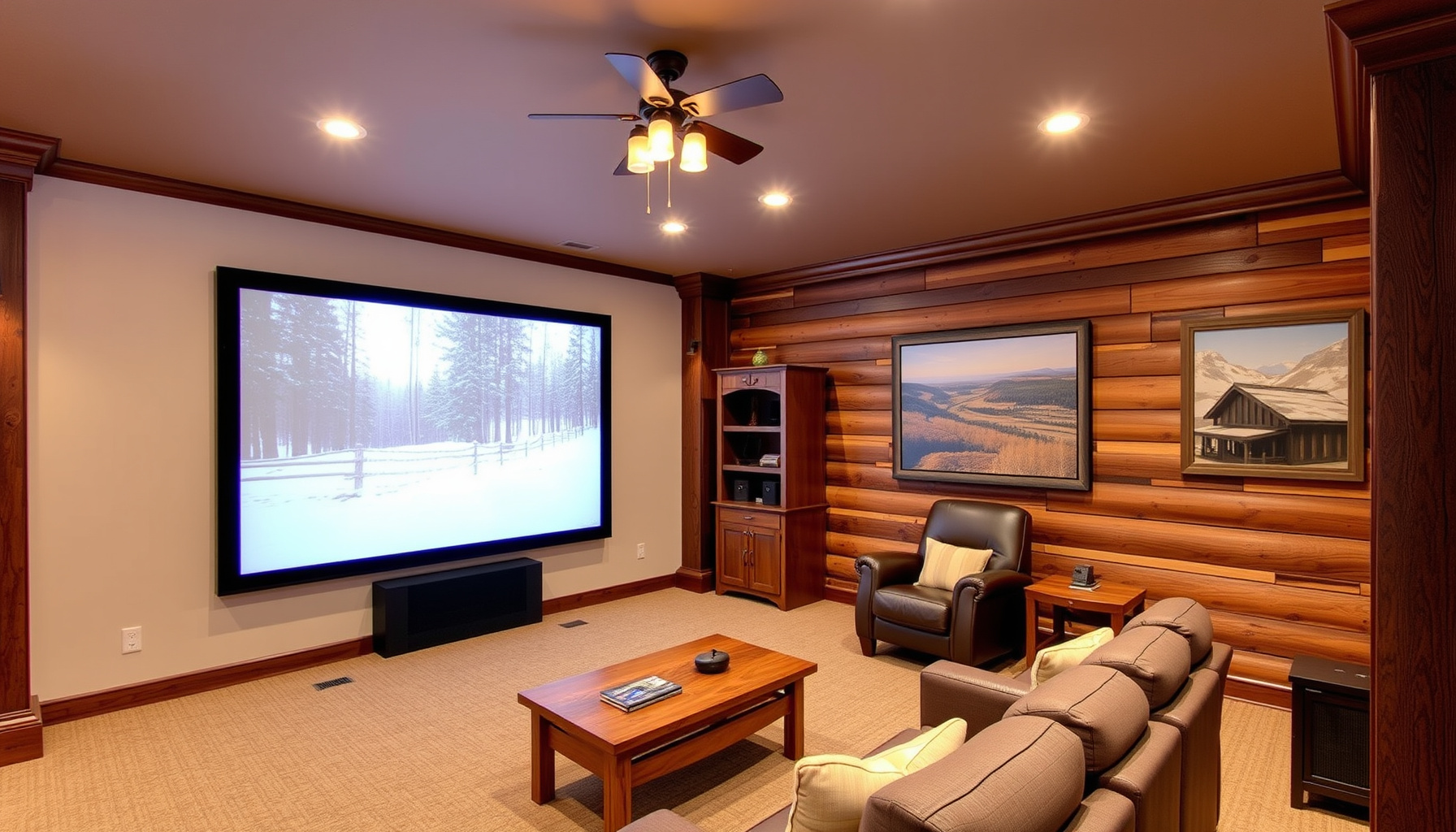
Planning and design errors are critical considerations that can significantly impact the overall success of a home theater installation. Whether opting for a DIY approach or hiring professionals, the design phase lays the foundation for the entire project. A common pitfall in DIY installations is the underestimation of space requirements and acoustic considerations. Many DIY enthusiasts may ignore the complexities of room dimensions, soundproofing, and optimal speaker placement, resulting in subpar audio experiences. Conversely, professional installers typically conduct thorough assessments to ensure that every element, from seating arrangements to equipment layout, is optimized for performance.
Another frequent mistake in the planning phase is neglecting the importance of a cohesive equipment selection strategy. DIYers may be tempted to purchase equipment based solely on immediate deals or personal preferences, without considering how different components will work together. This often leads to compatibility issues that can detract from the overall entertainment experience. Professional installers, on the other hand, usually possess extensive knowledge about various technologies and can recommend equipment that complements each other, ensuring that users achieve the best possible sound and picture quality.
The timeline for installation can also be a source of planning errors. DIY projects often extend beyond initial estimates due to unforeseen challenges, such as technical difficulties or a lack of necessary tools and skills. The time investment required for research, equipment installation, and troubleshooting can quickly add up, leading to frustration and potentially an incomplete project. In contrast, professionals are adept at managing their time effectively, often completing installations more swiftly due to their experience and access to the right tools. This efficiency not only saves time but also ensures that the final product meets the homeowner’s expectations.
Customization is another area where planning errors can manifest. Many DIY enthusiasts may not fully understand the extent of customization options available for home theater systems. A lack of knowledge about design principles can result in a setup that feels generic or fails to meet the homeowner’s unique entertainment needs. Professional installers typically offer tailored solutions that consider both aesthetic preferences and functional requirements, leading to a more personalized and satisfying experience. By engaging with professionals, homeowners can leverage design expertise that enhances both the functionality and visual appeal of their home theater.
Finally, long-term maintenance considerations often get overlooked during the planning phase. DIY installations may initially appear cost-effective, but they can lead to future challenges if not designed with maintenance in mind. Without proper planning, homeowners might find themselves facing difficulties when upgrading equipment or troubleshooting issues down the line. Professional installations, however, often incorporate future-proofing strategies, ensuring that systems remain adaptable and easier to maintain over time. This foresight can ultimately save homeowners from unnecessary expenses and complications, making professional installation a more prudent choice in the long run.
Installation Mistakes
Installation mistakes can significantly impact the performance and enjoyment of a home theater system, particularly for those who opt for a DIY approach. While the allure of saving money and customizing every aspect of the setup can be enticing, many DIY enthusiasts overlook critical aspects of installation that can lead to subpar results. Common errors include improper speaker placement, inadequate cable management, and overlooking room acoustics, all of which can diminish sound quality and overall viewing experience. Understanding these pitfalls is essential for anyone contemplating a DIY project, as it can save time and frustration while enhancing the final outcome.
One prevalent mistake in DIY installations is the improper placement of speakers. Many individuals fail to consider the acoustics of their room, leading to suboptimal sound staging and imaging. For instance, placing surround speakers too high or too far from the listening position can result in a disjointed audio experience. Additionally, neglecting to calibrate the audio settings can further exacerbate these issues. In contrast, professional installers bring expertise and experience to the table, ensuring that speakers are positioned for optimal performance according to the unique characteristics of the room.
Cable management is another area where DIYers often falter. A haphazard approach to wiring can not only detract from the aesthetic appeal of the home theater but can also lead to performance issues, such as interference and signal loss. Professionals typically have a systematic method for running cables behind walls and through conduits, which minimizes clutter and maximizes efficiency. DIY enthusiasts may overlook this aspect, resulting in a tangled mess that not only looks unprofessional but can also make future upgrades or maintenance more challenging.
Room acoustics are frequently underestimated in DIY installations. Factors such as wall materials, furniture placement, and window treatments can all significantly influence sound quality. Many DIYers might not account for these elements, leading to excessive echo or sound muddiness. Professionals usually conduct thorough assessments of the space to provide solutions, such as acoustic panels or bass traps, that enhance sound clarity. This attention to detail can make a considerable difference in the overall audio experience, something that a DIYer might miss without the necessary knowledge or tools.
Finally, time investment is a critical consideration when assessing installation mistakes. DIY projects often take longer than anticipated, particularly when troubleshooting unexpected challenges. Mistakes made during the installation process can lead to additional time spent correcting issues, further delaying the enjoyment of the home theater system. Professionals, on the other hand, typically complete installations more efficiently due to their experience and access to specialized tools. This aspect of professional installation can be particularly beneficial for those who value their time and wish to avoid the headaches associated with common DIY blunders.
Calibration and Setup Issues
Calibration and setup are critical components in achieving optimal performance for any home theater system, whether installed by a DIY enthusiast or a professional. One of the primary challenges faced during the calibration process is the intricate balance between various components, including audio and video equipment. Each unit must be correctly adjusted to work in harmony, which can be a daunting task for those without specialized knowledge. DIY installers may struggle with understanding the technical specifications of their equipment, leading to suboptimal settings that can affect sound quality, picture clarity, and overall viewer experience.
Professional installers typically employ advanced calibration tools and techniques that ensure every element of the home theater is finely tuned. They utilize measurement microphones, oscilloscopes, and specialized software to analyze sound wave patterns and visual output. This level of precision is often beyond the reach of a DIY project, where the installer may lack access to such equipment or the expertise to use it effectively. Consequently, a professionally calibrated system can significantly outperform a DIY installation when it comes to sound staging, frequency response, and color accuracy.
Another aspect to consider is the setup environment itself. The acoustics and lighting of a room can greatly influence the performance of home theater systems. Professionals are trained to assess and modify these variables, such as placing acoustic panels or adjusting speaker placement to mitigate unwanted reflections and enhance sound quality. DIY installers may not fully appreciate how room characteristics can impact their setup, potentially leading to a system that does not meet its full potential. A well-optimized environment can make a considerable difference in the home theater experience, underscoring the value of professional insight.
Time investment is also a significant factor when comparing DIY to professional installations. While a DIY project may begin with enthusiasm, the time required for proper calibration and setup can quickly extend beyond initial expectations. Learning curves associated with technology and troubleshooting can consume hours or even days, detracting from the enjoyment of the system itself. In contrast, professionals come equipped with experience that allows them to complete setups efficiently, often in a fraction of the time it would take an average homeowner. This efficiency can be particularly beneficial for those with limited time or knowledge in home theater systems.
Ultimately, the decision between DIY and professional installation hinges on an individual’s priorities. For those who value customization and are willing to invest time in learning, a DIY approach may be rewarding. However, for those seeking guaranteed quality and performance without the hassle of setup and calibration issues, hiring a professional can provide peace of mind. Understanding the intricacies of calibration and setup can significantly influence the overall outcome of a home theater, making it an essential topic for anyone considering their options in this arena.

Estimating DIY Project Timelines
Estimating timelines for DIY home theater projects is a critical aspect that can significantly influence the decision-making process between undertaking the project yourself or hiring professionals. Understanding the time commitment involved in DIY installations is essential, as it allows for better planning and resource allocation. The timeline for a DIY project can vary widely based on the complexity of the setup, the homeowner’s skill level, and the amount of research and preparation completed prior to beginning the installation. A clear estimation can help in balancing expectations and managing the project effectively.
One of the first steps in estimating a DIY project timeline is to break down the entire installation process into manageable phases. This includes planning and design, equipment selection, purchasing, and the actual installation. Each phase may require varying amounts of time, influenced by factors such as the availability of materials, the need for additional tools, or the learning curve associated with new technologies. For example, researching the latest equipment options and understanding compatibility can take a significant amount of time, particularly for those new to home theater systems.
The installation phase itself can also be unpredictable. Depending on the complexity of the desired setup—such as integrating multiple audio and video sources or configuring surround sound systems—this phase can take anywhere from a few hours to several days. Additionally, unforeseen challenges can arise, such as wiring issues or the need for additional components that were not initially considered. These factors make it essential for DIY enthusiasts to build some buffer time into their estimates to accommodate potential setbacks.
In contrast, hiring professionals typically involves a more streamlined timeline, as experienced installers can often complete the job more quickly due to their expertise and efficiency. They are accustomed to handling various challenges that may arise during installation and have the necessary tools to address them promptly. For homeowners who are particularly time-sensitive or who lack the experience and resources to manage a DIY project effectively, hiring a professional can be a more reliable option.
Ultimately, the decision between DIY and professional installation should consider not only the timeline but also the quality of the final result and the homeowner’s experience. While DIY installations can be rewarding and cost-effective, the time investment can be significant, especially for those unfamiliar with the process. Professionals may offer a faster turnaround and a polished finish, allowing homeowners to enjoy their new home theater system without the extended wait associated with DIY projects. Careful consideration of these factors will help ensure that the choice made aligns with individual preferences and capabilities.
Time Savings with Professional Installers
Time savings is a critical factor when considering home theater installation options. Engaging professional installers can significantly reduce the time required to set up a home theater system compared to a DIY approach. With professionals, the project is often completed in a fraction of the time it would take an inexperienced individual. This efficiency stems from their expertise, experience, and access to specialized tools, enabling them to navigate installation challenges swiftly and effectively.
Professional installers typically follow a streamlined process that has been honed through years of practice. From initial consultations to final adjustments, they have established workflows that minimize delays. This contrasts with DIY efforts, where individuals may face learning curves, troubleshooting, and unexpected complications that can extend the timeline. Professionals can anticipate potential issues and resolve them before they become significant setbacks, ensuring a timely completion of the project.
Time savings also extends beyond the installation itself. Professionals can efficiently handle equipment selection, ensuring that all components are compatible and optimized for performance. This eliminates the time-consuming research and decision-making process that a DIY enthusiast would face when trying to choose from a vast array of options. Moreover, professional installers are often familiar with the latest technology and trends, which allows them to make informed recommendations that align with the homeowner’s preferences and budget.
Additionally, the time saved during installation translates into quicker access to a fully operational home theater. For many homeowners, the anticipation of enjoying a new entertainment setup can be considerable. By hiring professionals, this experience is expedited, allowing users to dive into their favorite movies and shows without the prolonged wait associated with DIY installations. This immediate gratification can enhance the overall satisfaction with the investment made.
In summary, while DIY home theater installation may appeal to those seeking a hands-on approach, the time savings associated with professional installation present a compelling argument for many homeowners. The combination of efficient workflows, streamlined equipment selection, and expedited project completion allows professional installers to deliver results that not only meet but often exceed client expectations. For those prioritizing time and hassle-free experiences, enlisting the help of professionals can be a decisive factor in the home theater installation decision-making process.
Balancing Time and Quality
Balancing time and quality is a critical consideration for anyone contemplating a home theater installation, whether pursuing a DIY approach or opting for professional services. The allure of setting up a home theater system on one’s own often lies in the perceived cost savings and the satisfaction of personal achievement. However, this approach demands a considerable investment of time, requiring individuals to research, purchase equipment, and navigate the complexities of installation. Each step in the DIY process can become a time-consuming venture, potentially detracting from the overall quality of the final setup if not managed effectively.
On the other hand, hiring professionals offers the advantage of expertise and efficiency. Professionals bring specialized knowledge and experience to the table, allowing them to execute installations quickly and with a high degree of precision. This can significantly reduce the time spent on the project, enabling homeowners to enjoy their new systems sooner. However, this does not come without its own considerations. While the installation may be swift, clients must ensure that they are investing in quality professionals who prioritize not only speed but also the quality of the work performed.
Time constraints can lead to rushed decisions, particularly for DIY enthusiasts. In the pursuit of a deadline, individuals may overlook critical elements such as room acoustics, optimal speaker placement, and the integration of various components. These oversights can compromise the overall quality of the home theater experience. Conversely, professional installers typically follow a systematic approach, allowing for thorough assessments and adjustments that contribute to superior sound and picture quality. This balance of time and quality is essential, as a hasty installation can lead to long-term dissatisfaction with the system’s performance.
Furthermore, the complexity of modern home theater systems often necessitates a level of technical skill that many DIYers may not possess. Ensuring that all components work together harmoniously requires a deep understanding of audio and visual technology, which professionals are well-equipped to handle. This expertise not only saves time but also enhances quality, as professionals are adept at troubleshooting and resolving issues that may arise during installation. For those lacking experience, the potential for mistakes increases, which can lead to additional time spent rectifying errors instead of enjoying the completed setup.
Ultimately, the decision to pursue a DIY installation or hire professionals hinges on individual priorities regarding time and quality. For some, the opportunity to customize and learn through the process may outweigh the potential for a less polished outcome. For others, the assurance of a high-quality installation completed in a timely manner may justify the investment in professional services. Balancing these factors is crucial for achieving the desired home theater experience, ensuring that both time and quality align with the homeowner’s expectations and lifestyle.
Audio Quality Comparisons
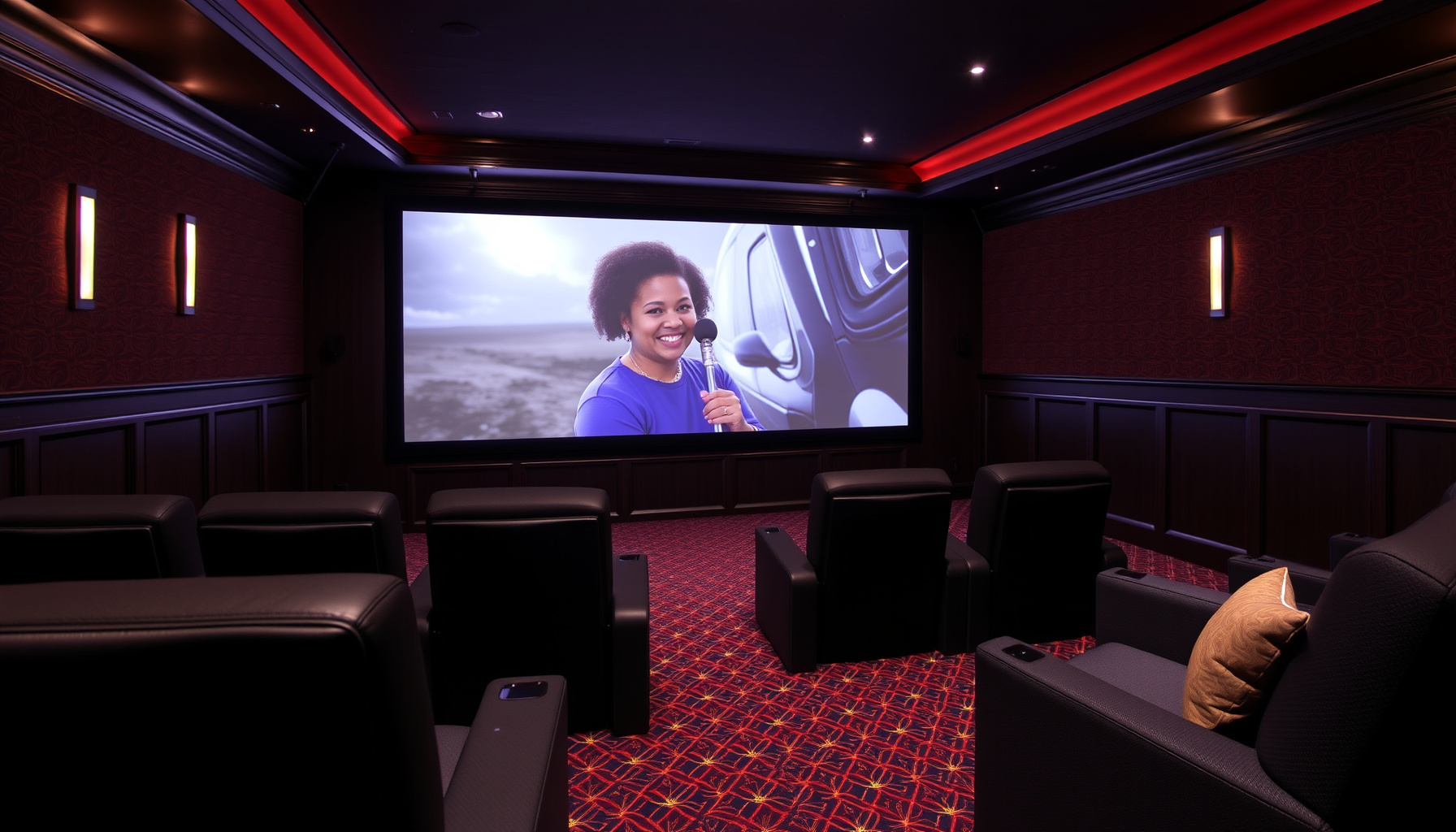
When evaluating audio quality in the context of home theater installations, a critical comparison emerges between DIY setups and professional installations. Audio quality encompasses several factors including clarity, depth, and spatial awareness, all of which significantly influence the overall viewing experience. Professionals typically have access to high-end equipment and advanced calibration tools that can optimize sound performance in ways that many DIY enthusiasts may not achieve. This difference in resources can lead to a notable disparity in audio quality, especially in complex environments where acoustics play a significant role.
Professionals often leverage their expertise to select and install components that are specifically tailored to the unique characteristics of a room. They understand how various speakers interact with each other and the environment, ensuring that sound waves are distributed evenly throughout the space. This includes strategic placement of speakers, subwoofers, and sound-absorbing materials, which are critical in minimizing distortions and enhancing audio clarity. In contrast, DIY installations may lack this level of precision, resulting in audio performance that can be uneven or suboptimal, depending on the listener’s understanding of acoustics and audio dynamics.
The cost implications of achieving high audio quality also vary between DIY and professional installations. While a DIY approach may be more budget-friendly initially, it often requires significant investment in research, tools, and potentially trial-and-error purchases. Enthusiasts may find themselves spending more in the long run as they attempt to perfect their setups. Professionals, on the other hand, usually provide a comprehensive package that includes not just the equipment, but also the expertise required to maximize the performance of that equipment, potentially offering a better value for those prioritizing high-quality audio.
User experiences often highlight distinct differences in audio quality outcomes between DIY and professional installations. Testimonials from satisfied clients of professional services frequently emphasize the immersive soundscapes and the seamless integration of various audio components that professionals can achieve. Conversely, DIY projects can yield impressive results but may require a significant learning curve and a commitment to ongoing adjustments. Home theater enthusiasts who opt for DIY setups sometimes report satisfaction with their results, yet they often acknowledge the time and effort required to reach a level of quality comparable to that of a professional installation.
In conclusion, when examining audio quality comparisons between DIY and professional home theater installations, it is clear that both approaches have their merits and challenges. Professionals tend to deliver superior sound quality through their experience and tailored solutions, while DIY enthusiasts can find fulfillment in the creative process of building their systems. Ultimately, the choice between DIY and professional installation will depend on individual priorities, whether they lean towards achieving optimal audio performance or embracing the journey of hands-on creation.
Video Quality Comparisons
Video quality is a fundamental aspect of any home theater experience, and the differences between DIY setups and professional installations can be significant. When considering DIY home theater systems, enthusiasts often rely on consumer-grade components and basic calibration techniques. While these may suffice for casual viewing, achieving optimal video quality typically requires a deeper understanding of advanced technologies such as HDR, color calibration, and resolution settings. In contrast, professional installers bring extensive expertise and access to high-end equipment, ensuring that every aspect of the video signal is optimized for the specific environment.
One of the primary factors influencing video quality is the choice of display technology. DIY enthusiasts might select a mid-range television or projector without fully understanding the implications of their choices on picture quality. Professional installers, however, often recommend specific models that are best suited for the room’s size, lighting conditions, and intended use. They can provide insights into the advantages of OLED versus LCD panels or the benefits of a 4K projector versus a standard HD model. This level of informed decision-making can lead to a dramatically improved viewing experience that DIY setups may struggle to replicate.
Calibration plays a crucial role in achieving the best possible video quality. Many DIYers overlook this step, assuming that factory settings are sufficient for optimal performance. Professional installers, on the other hand, typically utilize specialized tools and software to calibrate displays accurately. This process involves adjusting color balance, brightness, contrast, and sharpness to suit the specific characteristics of the viewing environment. A well-calibrated system can dramatically enhance color accuracy and detail, providing a more immersive experience that is often absent in uncalibrated DIY setups.
Another aspect to consider is the impact of installation techniques on video quality. DIY enthusiasts may not have the experience to properly set up their equipment, leading to issues such as poor cable management or suboptimal placement of screens and projectors. Professional installers have the skills necessary to position equipment for maximum performance, taking into account factors like viewing angles and ambient light. Furthermore, they are adept at managing cable runs and connections to minimize signal interference, which can further enhance video quality over a typical DIY installation.
Ultimately, while both DIY and professional installations can deliver satisfactory video quality, the level of expertise and attention to detail that professionals provide can lead to a superior result. For those seeking the best possible viewing experience, investing in professional installation may be worthwhile, particularly when it comes to high-stakes environments such as dedicated home theaters. DIY enthusiasts may achieve impressive results with careful planning and execution, but the nuances of video quality often favor the comprehensive approach taken by professionals.
Factors Affecting Performance
Performance in a home theater setup is influenced by multiple factors, which can significantly affect the overall viewing and listening experience. One of the primary determinants is the quality of the equipment selected for the installation. High-end projectors, AV receivers, and speakers can drastically elevate the performance of a system. While DIY enthusiasts may opt for budget-friendly components to save costs, professional installers often have access to superior brands and models that can provide enhanced audio and visual fidelity. This disparity in equipment selection underscores the importance of understanding how component quality directly impacts the final performance of a home theater.
Another crucial factor is the installation technique. Proper calibration and placement of speakers, screens, and other components are essential for optimizing sound and picture quality. Professionals bring a wealth of experience and knowledge to the installation process, ensuring that all elements are positioned correctly and that the system is finely tuned. In contrast, DIY installations may suffer from common pitfalls, such as improper speaker placement or inadequate room acoustics, which can lead to subpar performance. The technical skills and expertise of a professional installer can make a significant difference in achieving a high-performance home theater.
Room characteristics also play a vital role in determining performance outcomes. Factors such as room size, shape, and acoustics can affect how sound is projected and how images are displayed. Professionals are adept at assessing these variables and can recommend modifications, such as soundproofing or acoustic treatments, to enhance the environment for optimal performance. DIY installers, while capable, may overlook these essential aspects, potentially leading to an unsatisfactory experience. Understanding the interplay between equipment and room dynamics is crucial for both DIY enthusiasts and those considering professional installation.
The level of customization available in a home theater can also influence performance. DIY projects often allow for a more tailored approach, where users can select specific components and design layouts that suit their preferences. However, professional installations may offer advanced customization options through proprietary technologies and integration systems that can result in superior performance. This distinction is important for consumers to consider when evaluating which route to take, as a customized solution can significantly enhance the viewing experience.
Finally, ongoing maintenance and support are factors that can affect long-term performance. Professional installations typically come with warranties and support services that ensure the system continues to perform optimally over time. In contrast, DIY installations require the owner to manage maintenance and troubleshooting, which can lead to performance degradation if not addressed properly. As technology evolves, keeping up with updates and potential upgrades is essential for maintaining a high-performance home theater. Understanding these factors can guide individuals in making an informed decision about whether to pursue a DIY project or hire a professional for their home theater installation.
Essential Tools for DIY Installers
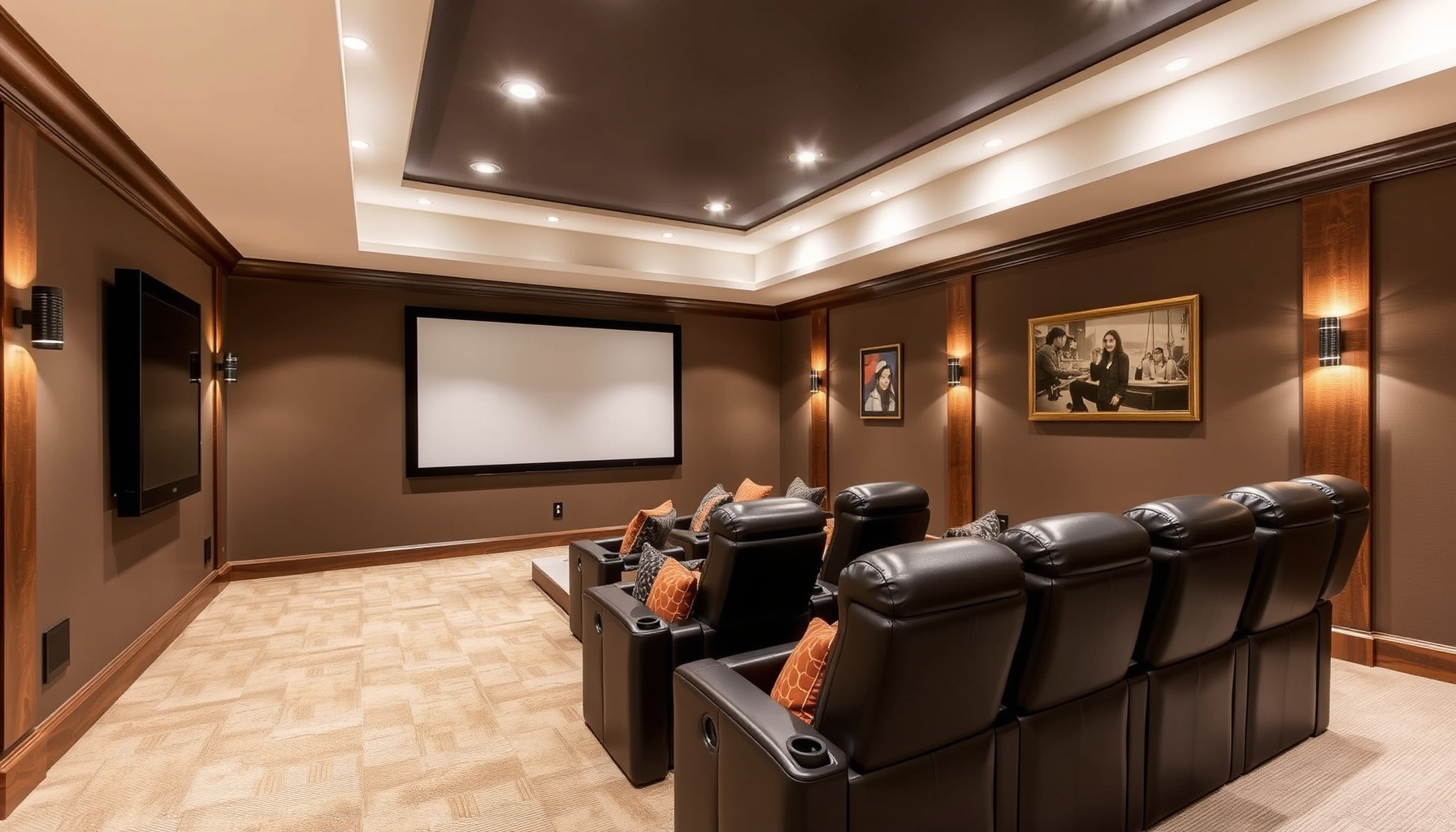
When embarking on a DIY home theater installation, having the right tools is crucial to achieving a successful outcome. The essential tools for any DIY installer begin with the basics: a reliable set of hand tools, including screwdrivers, pliers, and a level. These tools are fundamental for assembling furniture, mounting screens, and ensuring that everything is properly aligned. Additionally, a stud finder becomes indispensable when securing heavy components like wall-mounted TVs or speakers, as it helps locate the best anchor points within your walls.
Incorporating power tools into your toolkit can significantly enhance efficiency and precision. A cordless drill is particularly valuable for drilling holes and driving screws, which can save time and physical effort. A circular saw or jigsaw may be necessary if you plan to build custom enclosures or shelves. Furthermore, a quality soldering iron is essential for those who wish to create custom cables or make modifications to existing ones. These power tools not only streamline the installation process but also contribute to the overall professionalism of the setup.
Measurement tools play a pivotal role in any installation project. A tape measure is essential for ensuring accurate dimensions of your space and equipment, while a laser level can help achieve perfectly straight lines and precise placements. These tools are particularly important when dealing with complex layouts or when multiple components must align visually and acoustically. Taking the time to measure accurately will help prevent costly mistakes and the frustration of having to reposition equipment after initial installation.
Additionally, cable management tools should not be overlooked. A cable organizer or management system can keep wires tidy and out of sight, which is paramount in maintaining an aesthetically pleasing home theater environment. Velcro ties, cable clips, and raceways can help keep everything organized, reducing clutter and ensuring safety. This aspect of installation enhances both the look of your home theater and the ease of access for future adjustments or maintenance.
Lastly, while physical tools are vital, the knowledge and skills needed for effective DIY installation cannot be underestimated. Familiarizing oneself with the technology, reading manuals, and watching instructional videos can significantly improve the quality of the final product. Online forums and community resources can provide valuable insights from other DIY enthusiasts, helping to mitigate common pitfalls. With the right tools and knowledge, DIY installers can achieve results that rival those of professional installations, all while enjoying the personal satisfaction that comes from creating a customized home theater experience.
Skills Required for Successful Setup
Establishing a home theater system, whether through DIY methods or professional installation, demands a diverse set of skills to ensure a successful setup. For DIY enthusiasts, a fundamental understanding of audio-visual technology is essential. This includes knowledge of different types of equipment such as projectors, receivers, speakers, and screens. A DIY installer should be comfortable with the specifications and features of the equipment they choose, as well as how these components interact to create an integrated system. Familiarity with compatibility issues and wiring setups is crucial to avoid operational pitfalls.
In addition to technical knowledge, practical skills such as basic electrical work and carpentry can play a significant role in the installation process. DIY home theater projects often require the installation of equipment mounts, cable management systems, and even custom-built furniture to optimize the viewing experience. A solid grasp of these skills not only facilitates a more efficient installation but also enhances the overall aesthetic of the home theater space. For those without experience, it may be wise to invest time in learning these skills through tutorials or hands-on practice.
A key aspect of successful home theater setup is the ability to calibrate audio and video settings. This requires a keen ear for sound quality and a discerning eye for picture clarity and color accuracy. DIY installers must be able to adjust settings on their devices to achieve optimal performance based on their specific room acoustics and lighting conditions. This involves utilizing various calibration tools and software, as well as understanding the principles of audio and video optimization. Without these skills, even the most expensive equipment can underperform.
Project management skills are equally important in a DIY home theater installation. Planning the layout, selecting equipment, and scheduling the various stages of installation require organizational abilities to ensure the project is completed on time and within budget. Additionally, the ability to troubleshoot issues as they arise is vital. DIY installers must be resourceful problem solvers, capable of adapting to unforeseen challenges without professional assistance. This skill set can significantly affect the overall success of the installation process.
Lastly, an appreciation for design aesthetics can enhance the functionality and enjoyment of a home theater. DIY installers should consider factors such as room layout, seating arrangements, and decorative elements that contribute to the viewing experience. Understanding the balance between technology and design can lead to a more immersive environment. For those opting for professional installation, while the technical skills may be handled by experts, an understanding of these design principles remains crucial for effective communication and collaboration throughout the project.
Learning Resources for DIY Enthusiasts
Learning resources for DIY enthusiasts are abundant and can significantly enhance the home theater installation experience. Various platforms offer comprehensive guidance, ranging from online tutorials to forums where enthusiasts can exchange tips and tricks. Websites like YouTube provide a plethora of video guides that walk users through everything from basic setups to complex configurations. These visual aids can be particularly beneficial for those who learn better through demonstration rather than text. Additionally, blogs dedicated to home theater systems often feature step-by-step articles that cover equipment selection, space considerations, and common pitfalls to avoid during installation.
Books and eBooks are another valuable resource for DIY enthusiasts seeking in-depth knowledge. Numerous publications focus specifically on home theater design and installation, offering insights into the latest technologies and industry standards. These resources typically include diagrams, equipment recommendations, and maintenance tips, making them an excellent reference for both beginners and seasoned DIYers. Furthermore, purchasing or borrowing these texts can provide a solid foundation for understanding the technical aspects of audio and visual equipment, which is crucial for achieving optimal performance in a home theater setting.
Forums and online communities serve as a vital network for DIY enthusiasts. Websites like AVS Forum or Reddit’s home theater threads allow users to share their experiences, ask questions, and seek advice from more experienced members. This peer support can be invaluable, especially for troubleshooting issues that may arise during installation or setup. Engaging with these communities not only aids in problem-solving but also fosters a sense of camaraderie among DIY enthusiasts, encouraging them to share successes and learn from each other’s mistakes.
Workshops and local courses can also provide hands-on experience for those looking to enhance their skills further. Many electronics stores, community colleges, or maker spaces offer classes specifically focused on home theater setup and equipment management. These interactive sessions allow participants to work directly with the tools and technology they will encounter in their projects, bridging the gap between theory and practice. Networking opportunities within these classes can also connect individuals with local experts who may offer additional insights or assistance.
Finally, leveraging customer reviews and testimonials from previous DIY projects can help guide newcomers in their decision-making process. Many enthusiasts document their entire installation journey online, detailing the challenges faced and solutions found. This real-world feedback can be instrumental in preparing for potential issues and understanding the time investment required. By learning from others’ experiences, DIY enthusiasts can make informed choices about equipment selection, installation techniques, and long-term maintenance strategies, ultimately enhancing their home theater experience.

Success Stories from DIY Installers
Success stories from DIY installers provide valuable insights into the potential rewards and satisfaction of undertaking home theater projects independently. Many DIY enthusiasts have transformed their living spaces into impressive entertainment hubs, proving that with the right tools, knowledge, and dedication, a high-quality home theater can be achieved without the assistance of professional installers. These stories often highlight the personal growth and learning experiences that come from tackling such projects, instilling a sense of accomplishment in the DIY community.
One notable success story involves a homeowner who had always dreamed of a dedicated home theater but was deterred by the cost of professional installation. After conducting thorough research and gathering information on equipment selection and setup techniques, they decided to take the plunge. By carefully planning their space and utilizing online resources, they successfully installed an immersive sound system and a high-definition projector. The result was a stunning home theater experience that far exceeded their expectations, all achieved within a budget that fit their financial constraints.
Another inspiring account comes from a couple who sought to create a cozy movie-watching environment in their basement. Faced with the challenge of limited space and a tight budget, they embraced the DIY approach. They repurposed furniture, crafted acoustic panels from affordable materials, and strategically arranged their audio-visual equipment. The end result was a customized space that not only met their functional needs but also reflected their personal style. Their story serves as a testament to the creativity and resourcefulness that DIY installers can bring to their projects.
Additionally, a tech-savvy individual shared their journey of building a home theater as a way to connect with family and friends. They invested time in learning about the latest technologies and equipment options, ultimately selecting a system that balanced quality and cost. Through trial and error, they mastered the setup and calibration of their audio and visual components, resulting in an impressive cinematic experience that brought loved ones together for movie nights. This narrative underscores the potential for DIY home theaters to foster connections and memories, enhancing the overall value of the investment.
These success stories illustrate that, while professional installation offers its own advantages, the DIY route can lead to equally rewarding outcomes. With determination, careful planning, and a willingness to learn, DIY installers can create remarkable home theater systems that align with their visions and preferences. The personal satisfaction derived from such accomplishments often outweighs the convenience of hiring professionals, making the DIY approach an appealing option for many homeowners seeking to elevate their entertainment experiences.
Professional Installation Experiences
Professional installation experiences in home theater setups often highlight the advantages of expertise in achieving optimal performance and aesthetics. Professionals typically possess a deep understanding of audio-visual technology, allowing them to select equipment that complements the specific environment of the home. Their experience extends beyond mere installation; they are trained to assess acoustics, lighting, and spatial dynamics, ensuring that the final setup delivers superior sound quality and visual clarity. This level of knowledge can be particularly beneficial in complex installations where the interaction between different components can significantly impact overall performance.
One of the key benefits of professional installations is the assurance of quality. Professionals utilize advanced calibration tools to fine-tune systems, optimizing them for the unique characteristics of the room. This meticulous attention to detail often results in a listening and viewing experience that far surpasses what many DIY enthusiasts can achieve. Additionally, professionals are adept at troubleshooting potential issues that may arise during the installation process, preventing setbacks that could derail a DIY project. Their ability to foresee and address challenges ensures a smoother installation process and a more reliable final product.
Cost considerations also play a significant role in the decision to hire professionals versus undertaking a DIY project. While professional installation typically incurs higher upfront costs, this investment can yield long-term savings. Professionals often have access to wholesale pricing on equipment and can recommend high-quality components that match the homeowner’s budget and preferences. Furthermore, the reduced time spent on installation and the minimized risk of costly mistakes can make professional services a more economical choice in the long run. Homeowners can benefit from a well-structured cost analysis that takes into account both immediate expenses and potential future costs associated with maintenance and upgrades.
Customer testimonials often shed light on the satisfaction levels associated with professional installations. Many users report a sense of relief and confidence in their home theater experience after hiring professionals. The peace of mind that comes from knowing the system has been correctly installed and calibrated adds significant value. Users frequently mention the enhanced experience of enjoying movies or gaming with friends and family, attributing their enjoyment to the expert setup. These testimonials can provide a compelling argument for those weighing the pros and cons of DIY versus professional installation, highlighting the qualitative aspects of the home theater experience.
Long-term maintenance is another critical factor in evaluating professional installation experiences. Professionals often provide ongoing support and maintenance services that can help ensure the longevity of the home theater system. This support can include regular check-ups, software updates, and troubleshooting assistance. In contrast, DIY setups may require homeowners to rely solely on their technical skills and research to resolve issues that arise over time. The peace of mind associated with having a professional on call can make a significant difference in the overall enjoyment and functionality of the home theater system, influencing the decision for many homeowners.
Common Themes in User Feedback
User feedback reflects a myriad of themes that are pivotal in understanding the nuances between DIY and professional home theater installations. One common theme that emerges is the satisfaction level associated with the final result. Many DIY enthusiasts express pride in their ability to create a personalized setup that meets their specific needs and preferences. They often highlight the joy of selecting each component, from projectors to speakers, and the satisfaction derived from overcoming challenges during the installation process. In contrast, users who opt for professional installations frequently cite the convenience and time savings associated with hiring experts, valuing the peace of mind that comes from knowing their system was designed and installed by trained professionals.
Another prevalent theme is the cost implications of both approaches. DIY proponents often emphasize the potential for significant savings, which can be achieved through careful budgeting and smart purchasing decisions. They share experiences of leveraging online resources and community forums to find deals and advice that keep expenses manageable. Conversely, users who choose professional services often justify their expenditures by pointing to the long-term benefits of expert installation, including optimal performance and durability. This theme highlights a broader conversation about value versus cost, where satisfaction with investment plays a crucial role in user perceptions.
Equipment selection is also a recurring topic in user feedback. Many DIYers take pride in their ability to research and select equipment that aligns with their vision, often sharing detailed insights into their decision-making processes. They appreciate the flexibility to choose components that fit their budget and desired quality. In contrast, professional installation clients frequently express confidence in the recommendations provided by experts, emphasizing that professionals have the experience to suggest the best equipment that integrates seamlessly for superior performance. This distinction underscores the different approaches to equipment selection and the implications for user experience.
Common mistakes in DIY setups are often discussed in user feedback as well. Many DIY enthusiasts share cautionary tales about issues such as improper calibration, suboptimal speaker placement, or inadequate wiring, which can detract from the overall home theater experience. These shared experiences serve as valuable lessons for new DIYers looking to avoid similar pitfalls. On the other hand, feedback from users who hired professionals often highlights the benefits of expert knowledge in preventing these common errors. The contrast in experiences illustrates the importance of understanding both the potential rewards and challenges associated with DIY installations.
Lastly, the theme of long-term maintenance surfaces frequently in user testimonials. DIY users often discuss the learning curve associated with maintaining their systems, emphasizing a desire to enhance their skills over time. They appreciate the control they have over upgrades and repairs, viewing these tasks as opportunities for further engagement with their home theater. In contrast, users who have opted for professional installations often report a preference for leaving maintenance to the experts, which allows them to enjoy the system without the burden of ongoing technical concerns. This theme highlights the differing long-term commitments and responsibilities associated with each installation approach, ultimately influencing the decision-making process for potential home theater owners.

Maintenance Responsibilities for DIY Systems
Maintenance of DIY home theater systems requires a commitment to regular checks and updates, ensuring that the performance remains optimal over time. As a DIY enthusiast, understanding the components of your system is crucial. Regularly inspecting cables, connectors, and other physical elements can prevent deterioration that might lead to poor sound quality or video performance. Dust accumulation can also hinder equipment functionality, so routine cleaning should be part of your maintenance schedule. Implementing these practices allows you to address issues before they escalate, ensuring a consistently enjoyable viewing experience.
Another significant aspect of maintenance for DIY systems involves software updates and configuration checks. Many components, such as receivers, projectors, and smart devices, rely on firmware updates to function correctly and integrate new features. Staying informed about the latest updates from manufacturers can enhance your system’s capabilities and security. Additionally, recalibrating your audio and video settings periodically is essential, especially if you add new components or if the room’s environment changes. This dynamic approach to system upkeep can greatly enhance your home theater experience.
In contrast, professional installations often come with maintenance services as part of the package. When hiring professionals, they typically provide an initial setup and may offer ongoing support or service agreements to ensure the system remains in peak condition. This convenience can be particularly appealing for those who may not have the time or inclination to manage their systems actively. However, it is essential to weigh this benefit against the additional costs associated with professional services, as they often include labor and expertise fees that can accumulate over time.
Another factor to consider in DIY maintenance is the need for tools and technical knowledge. Unlike professional installers who come equipped with specialized tools and experience, DIY enthusiasts must invest in both. This includes not only the necessary equipment for installation but also tools for routine maintenance and troubleshooting. Familiarizing yourself with these tools, along with acquiring technical know-how, can greatly enhance your capability to maintain your system effectively. Resources such as online forums, tutorial videos, and user manuals can be invaluable in this regard.
Ultimately, the decision between DIY and professional maintenance will depend on personal preference, budget, and technical comfort level. DIY systems offer the allure of customization and cost savings, but they require a significant investment of time and effort for maintenance. Conversely, professional installations provide convenience and expertise, albeit at a higher financial cost. Understanding the maintenance responsibilities associated with each option will empower you to make an informed choice that aligns with your lifestyle and home theater aspirations.
Professional Maintenance Services
Professional maintenance services play a critical role in ensuring that home theater systems operate at peak performance over time. Unlike DIY installations, which can be subject to user error and a lack of ongoing support, professional maintenance provides homeowners with expertise and specialized knowledge that can significantly enhance the longevity and functionality of audio-visual equipment. This aspect is particularly important for systems that involve complex wiring and high-end components, which require regular checks and updates to maintain optimal performance.
One of the key advantages of professional maintenance services is the ability to identify potential issues before they escalate into significant problems. Certified technicians are trained to recognize subtle signs of wear and tear or malfunction that may go unnoticed by the average user. This proactive approach not only helps in prolonging the lifespan of equipment but also ensures that sound and picture quality remain consistently high. Regular maintenance can include calibrating audio and video settings, cleaning components, and updating software, all of which contribute to a seamless home theater experience.
Cost analysis is another important consideration when it comes to professional maintenance services. While DIY enthusiasts may initially save money by handling installation and minor adjustments themselves, the long-term costs associated with neglecting professional maintenance can be substantial. Equipment that is not properly maintained may suffer from diminished performance, requiring costly repairs or replacements. In contrast, investing in regular professional maintenance can lead to more predictable expenses and ultimately save homeowners money in the long run by preventing major breakdowns.
The time investment associated with maintaining a home theater system should also be considered. DIY maintenance can be time-consuming, often requiring significant research and skill development to tackle various tasks effectively. Conversely, hiring professionals allows homeowners to focus on enjoying their entertainment systems without the burden of ongoing maintenance responsibilities. Professionals can efficiently handle routine checks and repairs, freeing up time for users to engage in other pursuits while ensuring their home theater remains in excellent condition.
Finally, the quality of service provided by professional maintenance extends beyond basic repairs and adjustments. Many technicians offer personalized plans tailored to the specific needs of a homeowner’s system, ensuring that all components work harmoniously together. This level of customization is often beyond the scope of DIY efforts, as it requires an understanding of the intricacies of various brands and technologies. By opting for professional maintenance services, homeowners can enjoy peace of mind knowing that their home theater is not only functioning at its best but is also set up for future advancements in technology.
Tips for Ensuring Longevity
To ensure the longevity of your home theater system, regardless of whether you opt for a DIY installation or hire professionals, several key practices should be followed. First and foremost, proper equipment maintenance is essential. Regularly check and clean components such as speakers, projectors, and screens to prevent dust buildup, which can degrade performance over time. Additionally, ensure that all connections are secure and free from corrosion. Keeping the environment where your equipment is housed stable—both in terms of temperature and humidity—will also help prolong the life of your system.
Another crucial aspect of longevity is the choice of quality equipment. While it may be tempting to cut costs by purchasing lower-end products, investing in high-quality components can pay off in the long run. Look for equipment that is known for durability and performance. Research brands with a solid reputation and consider investing in warranties or extended service plans, which can provide peace of mind against unforeseen failures.
Proper installation techniques, whether performed by yourself or professionals, can significantly affect the lifespan of your home theater system. If you choose to go the DIY route, it is imperative to follow manufacturer guidelines closely and utilize the right tools for the job. Mistakes during installation, such as poor wiring or inadequate ventilation for electronic components, can lead to premature failure. For those opting for professional installation, ensure that the installers are experienced and knowledgeable about the specific equipment being used.
Another factor that contributes to longevity is regular software and firmware updates. Many modern home theater systems rely on software to optimize performance and fix bugs. Staying up to date with the latest updates can enhance the functionality of your system and protect it from vulnerabilities. Set reminders to check for updates or subscribe to manufacturer notifications to ensure you never miss an important upgrade.
Lastly, a well-planned layout and design of your home theater can greatly impact its longevity. Consider factors such as speaker placement, seating arrangement, and cable management to avoid strain on cables and connectors. Implementing a modular design can allow for easier upgrades and maintenance in the future. By taking these steps, whether you pursue a DIY project or hire professionals, you can maximize the lifespan of your home theater system and enjoy your investment for years to come.

Room Layout and Design
Room layout and design are critical components in creating an effective home theater experience, whether one chooses to embark on a DIY project or hire professionals. The layout influences not only the aesthetic appeal of the space but also its acoustic properties and overall functionality. For DIY enthusiasts, understanding the principles of room design is essential in maximizing sound quality and visual performance. Key considerations include the arrangement of seating, screen placement, and the positioning of speakers to ensure optimal viewing angles and immersive audio experiences.
In a DIY setup, individuals have the advantage of personalizing their space to reflect their unique tastes and preferences. This customization allows for creative freedom in choosing colors, materials, and lighting that enhance the viewing experience. However, it also necessitates a thorough understanding of design principles, such as the importance of minimizing sound reflections and ensuring adequate distance between the screen and seating. For those without a background in design, it can be easy to overlook these factors, potentially compromising the overall quality of the home theater.
On the other hand, professional installation brings a wealth of experience and expertise to the design process. Professionals are skilled in assessing the specific acoustics of a room and can recommend layouts that optimize sound distribution and visual clarity. They often utilize advanced tools and software to simulate various configurations, ensuring that every aspect of the home theater is meticulously planned. This level of detail can significantly enhance the overall experience, leading to better sound and picture quality compared to a DIY setup, particularly for those who may not possess the necessary skills or knowledge.
Cost considerations also play a significant role in the decision between DIY and professional installation. While DIY projects may appear more budget-friendly at first glance, unforeseen challenges and the potential for costly mistakes can quickly inflate expenses. Additionally, professional designers may offer package deals that include equipment selection and installation, which can ultimately provide better value for those seeking a high-quality, hassle-free experience. Weighing the initial costs against the potential long-term benefits is crucial for homeowners deciding on the best approach for their home theater.
Ultimately, the choice between DIY and professional installation hinges on individual preferences, available resources, and desired outcomes. A well-designed room, regardless of the installation method, will greatly enhance the enjoyment of movies, games, and music. By carefully considering room layout and design elements, individuals can create a dynamic home theater space that meets their needs and delivers an impressive cinematic experience. Whether choosing to navigate the intricacies of DIY or relying on professional expertise, understanding the implications of room design is paramount in achieving a successful home theater environment.
Acoustics and Soundproofing
Acoustics is a critical aspect of home theater design, significantly influencing sound quality and the overall viewing experience. Proper acoustics ensure that sound is delivered clearly and evenly throughout the room, allowing viewers to fully immerse themselves in the audio-visual experience. For DIY enthusiasts, understanding the principles of acoustics is essential for creating an optimal sound environment. This involves considering factors such as room dimensions, wall materials, and speaker placement. Conversely, professional installers possess the expertise to assess these elements effectively, often employing advanced tools and techniques to achieve superior acoustic performance.
Soundproofing complements acoustics by minimizing external noise interference and preventing sound leakage. In a home theater setting, soundproofing can enhance the viewing experience by creating a dedicated space where viewers can enjoy movies and music without distractions. DIY options for soundproofing include adding mass to walls with heavy materials, sealing gaps with acoustic caulk, and using sound-absorbing panels. However, achieving effective soundproofing can be challenging without a comprehensive understanding of sound transmission and absorption. Professionals bring specialized knowledge in soundproofing techniques that can ensure a quieter, more controlled environment.
The cost analysis of DIY versus professional installation often reveals that while DIY projects may save money upfront, the potential for costly mistakes can diminish those savings. Individuals undertaking DIY soundproofing and acoustics may not account for all necessary materials or may miscalculate the requirements, leading to subpar results. Professional installers typically have access to higher-quality materials and advanced technology, which can translate into a more effective soundproofing solution and better overall acoustic performance. This investment can yield significant long-term benefits in terms of sound quality and user satisfaction.
Time investment is another crucial aspect when comparing DIY and professional installation for acoustics and soundproofing. DIY projects can be time-consuming, requiring extensive research, planning, and trial and error, which may extend the overall timeline significantly. On the other hand, professionals can typically complete installations more efficiently due to their experience and access to specialized tools. This efficiency can minimize disruption in the home and result in a faster realization of the intended sound experience, making it a worthwhile consideration for those pressed for time.
Ultimately, the decision between DIY and professional installation in regards to acoustics and soundproofing hinges on individual preferences, skill levels, and resources. For those with a keen interest in learning and a willingness to invest time and effort, DIY solutions can be rewarding and educational. However, for individuals seeking immediate results and high-quality sound without the associated learning curve, professional installation may prove to be the superior choice. Balancing cost, quality, and time considerations will guide homeowners in making the best decision for their unique home theater needs.
Aesthetic Considerations
Aesthetic considerations play a crucial role in the overall success of a home theater, influencing both the viewer’s experience and the visual harmony of the space. When evaluating DIY versus professional installation, it is essential to understand how aesthetics can vary significantly between these two approaches. A professional installation typically considers design elements such as color schemes, furniture selection, and layout to create a cohesive look that aligns with the homeowner’s vision. Professionals often have access to resources and design expertise that can enhance the visual appeal of the home theater, ensuring that it complements the existing decor and architecture of the home.
Conversely, DIY installations can reflect a personal touch that resonates with the individual style of the homeowner. While some may view this as a limitation due to a lack of design training, others see it as an opportunity for creativity and innovation. DIY enthusiasts often incorporate unique design elements that express their personality, whether through custom-built seating, themed decor, or personalized audio-visual setups. However, without a clear plan or sufficient design knowledge, DIY projects may inadvertently result in a less polished appearance, highlighting the importance of careful planning in achieving aesthetic goals.
Lighting is another critical aspect of aesthetics in home theater design, influencing both the ambiance and functionality of the space. Professional installers typically consider the interplay of natural and artificial lighting, utilizing dimmable fixtures, sconces, and blackout curtains to create an optimal viewing environment. They understand the nuances of light placement and intensity, ensuring that the theater’s aesthetic is both functional and visually appealing. On the other hand, DIY installations may overlook these details, potentially leading to an uneven lighting scheme that detracts from the overall experience.
Acoustic treatments, often essential in professional setups, also contribute to the aesthetics of a home theater. Professionals are skilled in selecting materials that not only enhance sound quality but also blend seamlessly with the room’s design. The use of decorative acoustic panels, for instance, can enhance the visual appeal while improving the audio experience. DIY enthusiasts may struggle to balance these considerations, as they might prioritize cost savings over aesthetic integration, resulting in a theater that feels more like an afterthought than a carefully curated space.
Ultimately, the choice between DIY and professional installation hinges on the aesthetic aspirations of the homeowner. While professionals may offer a polished, cohesive design, DIY enthusiasts can create a uniquely personal space that reflects their tastes and preferences. It is essential for anyone contemplating a home theater installation to weigh these aesthetic considerations carefully, considering how they align with their vision, budget, and willingness to invest time and effort into achieving the desired look and feel of their theater.

Personalization in DIY Projects
Personalization in DIY projects plays a crucial role in crafting a home theater experience that reflects individual tastes and preferences. Unlike professional installations, which often follow a standardized approach, DIY enthusiasts have the freedom to tailor every aspect of their setup. This customization extends from the selection of equipment to the design of the space, allowing for a unique atmosphere that resonates with the homeowner’s vision. Personalization in DIY projects not only enhances the aesthetic appeal but also serves to create an immersive environment that aligns with the specific viewing habits and preferences of the user.
One significant advantage of DIY home theater projects is the ability to handpick each component based on personal criteria. This includes choosing the type of projector, screen size, speaker configuration, and even the aesthetic elements like paint colors and furniture styles. DIYers can prioritize aspects such as sound quality, visual performance, and budgetary constraints, enabling them to create a setup that is not only functional but also visually appealing. This level of personalization ensures that the final product is a true reflection of the homeowner’s personality and lifestyle, setting it apart from the more generic solutions often provided by professional installers.
Moreover, the personalization aspect allows for adaptive modifications as technology evolves or as preferences change over time. DIY enthusiasts can easily upgrade individual components without overhauling the entire system, making adjustments based on new advancements in audio-visual technology or shifts in personal taste. For instance, if a homeowner decides to integrate smart home features or upgrade to a higher resolution display, they can seamlessly incorporate these changes into their existing setup. This flexibility is often less feasible in professional installations, where the original design may be rigid and less accommodating to future modifications.
Additionally, DIY projects cultivate a sense of ownership and pride in the finished product. The process of personalizing a home theater—from conceptualizing the layout to executing the installation—allows individuals to engage deeply with their environment. This investment of time and effort can lead to a greater appreciation for the space and its functionality, fostering a connection that is often absent with professional installations. Homeowners can feel a sense of accomplishment knowing that they have created a space that is uniquely theirs, tailored to their specific needs and preferences.
In conclusion, personalization in DIY home theater projects offers distinct advantages that enhance both the functionality and enjoyment of the space. The ability to customize every detail not only meets the specific desires of the homeowner but also allows for future adaptability as technology and preferences evolve. This hands-on approach fosters a deeper connection to the home theater experience, making it a more fulfilling endeavor than simply opting for a professional installation. As homeowners weigh their options between DIY and professional services, the potential for personalized creativity in DIY projects stands out as a compelling reason to consider the former.
Custom Solutions from Professionals
Custom solutions from professionals offer a significant advantage for those seeking optimal performance and a tailored experience in home theater installations. Professionals bring a wealth of knowledge and expertise that extends beyond mere equipment installation. They understand the intricacies of acoustics, room dimensions, and the specific needs of each client. By assessing the space, they can provide customized recommendations that maximize both sound quality and visual impact. This level of tailored service is often unattainable in DIY projects, where personal experience and trial-and-error may lead to subpar results.
One of the primary benefits of engaging professionals is their ability to source and integrate high-quality equipment that aligns with the homeowner’s vision and budget. Professionals have access to industry-grade components that may not be readily available to the average consumer. They can also provide insights into the latest technologies, ensuring that the home theater system is not only current but also capable of adapting to future advancements. This foresight can save homeowners from costly upgrades and replacements that often accompany DIY setups where outdated equipment is used.
In addition to equipment selection, professionals excel at the installation process itself. Their experience allows them to navigate complex wiring systems, optimize speaker placement, and calibrate systems with precision. This expertise results in a cohesive setup that minimizes interference and enhances the overall viewing and listening experience. The time investment required for a DIY project can be significant, and often, individuals may overlook essential details that professionals would instinctively address. By relying on experts, homeowners can avoid common pitfalls associated with DIY installations, such as improper speaker positioning or inadequate room treatments.
The quality of sound and picture delivered by a professionally installed system tends to surpass that of a DIY project. Professionals utilize advanced calibration tools and techniques to ensure that audio and video outputs are perfectly tuned to the specific environment. This attention to detail leads to a richer auditory experience and sharper visual clarity. Additionally, the professional’s understanding of the interplay between various components can yield a more seamless integration of devices, resulting in a user-friendly experience that might be challenging for a DIY enthusiast to achieve.
Finally, long-term maintenance and support from professionals provide peace of mind that is often missing in DIY projects. Professional installers typically offer warranties and ongoing support, ensuring that any issues that arise can be addressed promptly. This level of service fosters a relationship that can lead to future upgrades or adjustments as technology evolves. In contrast, DIY installations may leave homeowners feeling isolated when faced with troubleshooting or equipment failures. Overall, the investment in professional installation often translates to a superior home theater experience that is tailored to the individual needs of the homeowner.
Finding the Right Balance
Finding the right balance between DIY and professional installation in home theater setups requires careful consideration of several factors. Homeowners often grapple with the decision of whether to undertake a project themselves or to hire professionals, weighing the benefits of each approach. Understanding personal skill levels, budget constraints, and long-term goals can significantly influence this decision. A well-considered balance can lead to a satisfying home theater experience that meets both aesthetic and functional desires.
Cost analysis plays a crucial role in determining the right balance. DIY installations can appear appealing due to lower upfront costs, but hidden expenses often emerge, such as tools, equipment, and potential errors that necessitate additional expenditures. Conversely, while professional installations may come with a higher price tag, they often include warranties and guarantees that protect the investment. Evaluating the total cost, including both initial setup and potential long-term maintenance, is essential for making an informed choice.
The selection of equipment is another vital aspect in finding the right balance. DIY enthusiasts may feel empowered to research and select components that suit their preferences, but this can lead to challenges if they lack experience in understanding compatibility and performance specifications. Professionals, on the other hand, possess the expertise to recommend equipment that maximizes the home theater’s potential while ensuring optimal performance. Striking a balance between personal choice and expert guidance can enhance the overall quality of the home theater experience.
Time investment is also a critical factor that distinguishes DIY from professional installation. While DIY projects can be rewarding, they often consume significant time, especially for those unfamiliar with the necessary skills and tools. Professionals can expedite the process, utilizing their experience to achieve results efficiently. Homeowners must assess their own availability and willingness to dedicate time to the project, weighing it against the convenience of hiring experts who can deliver timely results without the learning curve.
Ultimately, the quality of sound and picture is paramount in the home theater experience. DIY installations can yield impressive results when executed correctly, but they often fall short due to common mistakes such as improper calibration or suboptimal room acoustics. Professional installers bring an advanced understanding of these factors, ensuring that every component is fine-tuned for the best possible performance. Achieving the right balance between DIY enthusiasm and professional expertise can result in a home theater that exceeds expectations in both sound and visual quality, delivering a truly immersive experience.

Recap of Key Points
In the exploration of home theater installation, a critical analysis of the key points reveals the nuanced considerations between DIY and professional approaches. First, the cost analysis serves as a foundational element in this discussion. DIY installations can present significant savings, as homeowners can avoid labor costs and utilize budget-friendly equipment. However, it is essential to consider potential hidden expenses, such as tools, additional materials, and the value of time spent on the project. On the other hand, professional installations come with higher upfront costs but may offer long-term savings through expert guidance and high-quality components.
When it comes to equipment selection, DIY enthusiasts often face the challenge of navigating a vast array of options without the expertise to discern which products will yield optimal results. Professionals typically have access to industry knowledge and relationships with suppliers, allowing them to recommend equipment that aligns with the client’s budget and desired performance. The careful selection of components is crucial for achieving a satisfactory home theater experience, underscoring the importance of informed decision-making in both approaches.
Another significant point of consideration is the time investment required for both DIY and professional installations. DIY projects can be time-consuming, often requiring extensive research, planning, and trial and error. This can lead to frustration and delays, particularly for those with limited experience. Conversely, hiring professionals typically expedites the installation process, allowing homeowners to enjoy their new systems sooner and with less hassle. Understanding the value of time can influence the decision-making process for many homeowners contemplating their options.
Quality of sound and picture emerges as a pivotal factor in the home theater experience. While DIY installations can yield impressive results when executed well, there is a risk of common mistakes that could detract from overall performance. Professionals bring expertise that often translates to superior calibration, optimal speaker placement, and advanced technology integration, resulting in a more immersive experience. This disparity in quality can be a decisive element for consumers prioritizing performance over cost.
Lastly, long-term maintenance and customization options are critical when evaluating the merits of DIY versus professional installations. DIY systems may require ongoing adjustments and repairs that a less experienced individual might not be equipped to handle. In contrast, professional installations often come with warranties and maintenance plans that ensure continued performance. Customization is another area where both approaches shine but differ in execution. DIY projects allow for a high degree of personalization, while professionals may offer bespoke solutions that integrate seamlessly into the home environment. Each choice presents distinct advantages and challenges, making the final decision dependent on individual preferences and priorities.
Making the Final Decision
Making the final decision between DIY home theater installation and hiring professionals requires careful consideration of various factors, including budget, skills, and long-term satisfaction. Cost analysis is often the first point of discussion. DIY projects can initially appear more budget-friendly due to the absence of labor costs, but hidden expenses can quickly accumulate. Equipment selection is crucial; choosing high-quality components that fit within a DIY budget can be a challenge. Conversely, professional installers typically have access to industry discounts and expertise that can lead to a more cost-effective overall solution, despite higher upfront costs.
The skills and tools available to the homeowner are another critical aspect of the decision-making process. A successful DIY installation demands a robust understanding of audio-visual technology, wiring, and room acoustics. Homeowners must also consider the time investment required to learn and execute these tasks, which can be substantial. Professionals, on the other hand, bring a wealth of experience and specialized tools, ensuring a faster and more efficient installation process. The potential for errors in DIY setups can lead to additional costs, both in terms of money and time, should corrections be necessary.
Quality of sound and picture is a significant determinant in the decision-making process. Many DIY enthusiasts achieve commendable results, particularly if they invest time in research and planning. However, the expertise of a professional installer can elevate the overall quality of the home theater experience. Professionals understand the nuances of calibration and optimization that can make a notable difference in performance. This aspect often leads to the realization that the investment in professional installation may yield superior results, enhancing enjoyment for years to come.
Long-term maintenance and support is another consideration that can influence the decision. DIY installations may require ongoing troubleshooting and adjustments, which can become cumbersome for those without technical backgrounds. In contrast, professional installations often come with warranties and customer support, providing peace of mind that any issues will be addressed promptly. Additionally, the adaptability of a professional system can accommodate future upgrades more seamlessly, which is an essential factor for tech enthusiasts.
Customization options also play a role in the final decision. While DIY projects offer the freedom to design a unique system tailored to personal preferences, professionals can provide insights and options that a homeowner might not have considered. Collaborating with an expert can result in a more cohesive design that balances aesthetics with functionality. Ultimately, the choice between DIY and professional installation hinges on the individual’s priorities, whether they lean towards personal involvement and potential cost savings or the assurance of expertise and quality that professionals provide.

Future Trends in Home Theater Installation
As technology continues to evolve, future trends in home theater installation are likely to reshape the landscape for both DIY enthusiasts and professional installers. One prominent trend is the integration of smart home technology, which allows for seamless control of audio and visual components through mobile devices and voice commands. This trend not only enhances user convenience but also opens the door for more sophisticated automation systems. Home theaters will increasingly incorporate features such as automated lighting, temperature control, and even shading systems that work in harmony with the audiovisual setup, making the overall experience more immersive.
Another significant trend is the rise of 8K resolution and advanced display technologies such as OLED and microLED. As these technologies become more affordable and widely available, both DIYers and professionals will need to stay informed about the best equipment options for their installations. The push for higher resolutions and better color accuracy will drive consumers to seek out the latest technologies, which will require a deeper understanding of compatibility and performance metrics. DIY enthusiasts may find themselves needing to invest time in research and education to make informed purchasing decisions, while professionals will need to adapt their services to accommodate these cutting-edge advancements.
The demand for personalized and customized home theater experiences is also expected to grow. This trend will likely lead to an increase in modular products that allow users to tailor their systems to fit specific room layouts and personal preferences. For DIYers, this presents an exciting opportunity to create unique setups that reflect individual tastes. On the other hand, professionals may find themselves offering more bespoke design services, catering to clients who desire a highly tailored installation. The ability to customize systems will become a key differentiator between DIY and professional installations, influencing consumer choices.
Sustainability and energy efficiency are becoming critical factors in home theater design and installation. As awareness of environmental impact grows, both DIYers and professionals will need to consider energy-saving technologies and materials. This may include the use of energy-efficient projectors, speakers, and smart power systems that reduce overall consumption. For DIY enthusiasts, understanding how to incorporate these elements into their projects will be essential, while professionals may need to stay updated on the latest sustainable options to meet client demands.
Finally, the emergence of virtual and augmented reality technologies is poised to further transform the home theater landscape. As these technologies become more mainstream, the incorporation of VR and AR into home entertainment systems will create new opportunities for immersive viewing experiences. DIY enthusiasts will be challenged to learn about the integration of these technologies into their setups, while professionals may need to invest in training to effectively deliver such advanced installations. Both groups will have to navigate the implications of these innovations on user experience and equipment selection, ensuring that they remain competitive in a rapidly changing market.