Did you know that adding wooden beams to your home can instantly elevate its aesthetic appeal? This simple yet impactful design choice has been gaining popularity, with many homeowners turning their plain ceilings into stunning focal points. Whether you’re aiming for a rustic charm or a modern edge, this project offers endless possibilities.
Inspired by timeless architectural elements, this transformation involves using wooden boards to create a dramatic effect. The process is budget-friendly and requires minimal tools, making it accessible for anyone looking to enhance their space. With careful planning and precise measurements, you can achieve a professional look without breaking the bank.
This step-by-step guide will walk you through the entire process, from selecting the right materials to the final installation. By the end, you’ll have a ceiling that not only adds character but also reflects your unique style. Ready to get started? Let’s dive into the details!
Key Takeaways
- Wooden beams can transform a plain ceiling into a stunning design feature.
- This project is budget-friendly and requires minimal tools.
- Careful planning and precise measurements are essential for success.
- The process is accessible to beginners and experienced DIYers alike.
- Wooden beams add warmth and character to any room.
Project Inspiration and Design Concept
Transforming your space starts with a clear vision and creative inspiration. Whether you’re aiming for a bold, dramatic look or a subtle, elegant touch, defining your style is the first step. Think about the atmosphere you want to create—rustic warmth, modern sophistication, or a blend of both.
Defining Your Theatrical Style
Your design should reflect your personality and the mood of the room. For a dramatic effect, consider dark-stained finishes that add depth and richness. If you prefer a lighter, airier feel, natural wood tones or whitewashed finishes can brighten the space. The choice of stain can significantly impact the final look, so experiment with samples to find the perfect match.
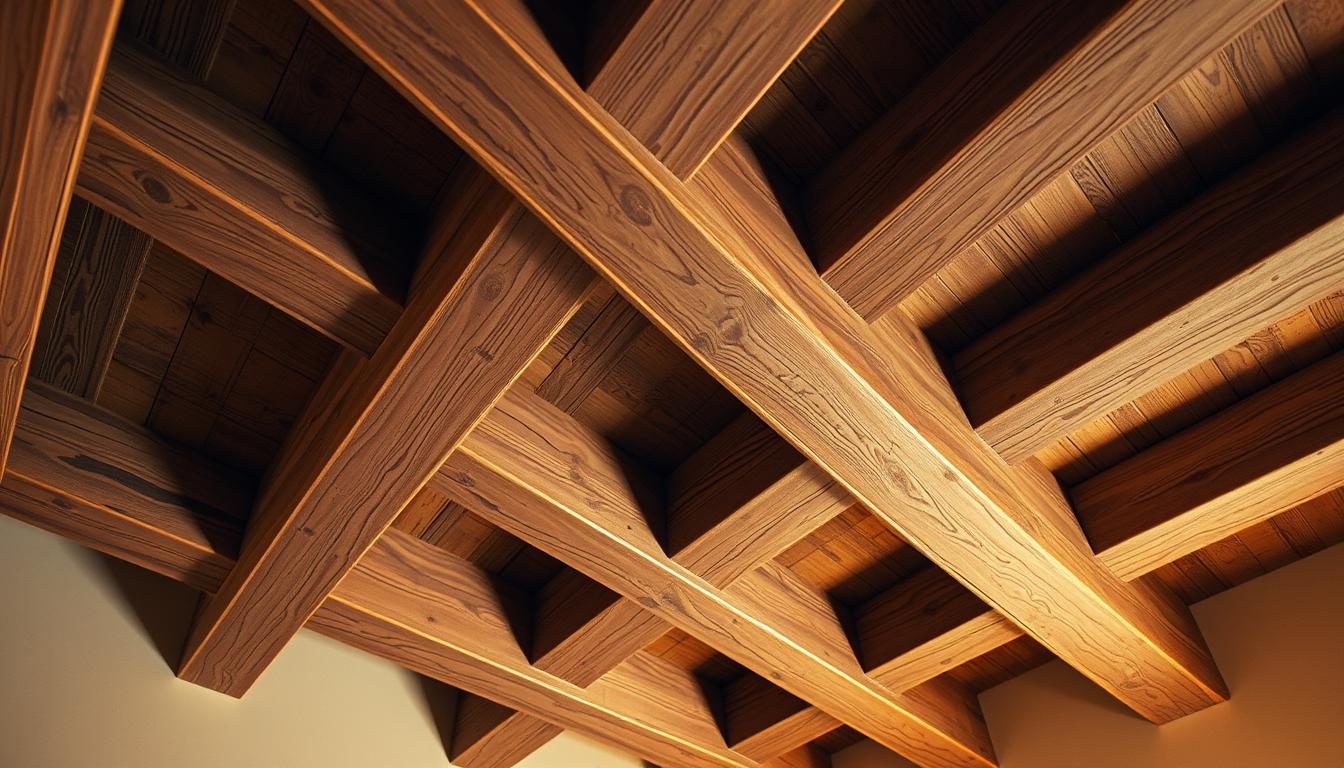
Visual Planning and Mock-Ups
Before diving into the project, create a visual plan to ensure your design aligns with your vision. Digital tools like Canva can help you experiment with layouts and color schemes. Mock-ups allow you to see how different elements, such as faux beams or wall accents, will look in your space.
When planning, consider potential obstacles like vents or wall obstructions. Adjust your design to work around these challenges while maintaining the overall aesthetic. Blending rustic elements with modern touches can create a cohesive and timeless look that enhances your home’s character.
This tutorial emphasizes the importance of creative decision-making. By carefully planning and visualizing your project, you can achieve a stunning transformation that reflects your unique style.
Essential Tools, Materials, and Preparations
Proper preparation is the foundation of any successful home improvement task. To ensure your project runs smoothly, start by gathering all the necessary tools and materials. This step is critical for achieving a professional finish and avoiding unnecessary delays.
Gathering Lumber, Boards, and Supplies
Begin by selecting high-quality materials. Sande plywood ripped into 5-inch strips and select pine boards are excellent choices for this project. These materials are durable and easy to work with, ensuring a polished final look.
You’ll also need essential tools like a table saw, miter saw, orbital sander, and brad nailer. These tools help you cut, shape, and secure the boards with precision. Don’t forget to stock up on protective gear like safety glasses and gloves.

Prepping Your Workspace and Measuring
Before making any cuts, prepare your workspace. Clear the room of clutter and ensure you have enough space to work comfortably. Use tack cloths to remove dust and debris, creating a clean environment for staining and finishing.
Accurate measurements are key to success. Use a measuring tape to determine the length of each board and mark the edges carefully. For beams, aim for dimensions like 4.5 inches tall and 5.5 inches wide to maintain consistency.
Drill pilot holes to prevent splitting and use spacers to ensure even placement. Taking these steps will help you execute the project flawlessly and achieve the desired aesthetic.
DIY Wooden Ceiling Beams for a Theatrical Vibe: Detailed How-To
Creating a dramatic focal point in your home starts with precise craftsmanship. This section walks you through the essential steps of cutting, jointing, and assembling your project. You’ll also learn how to add finishing touches like staining and distressing to achieve an authentic look.
Cutting, Jointing, and Assembly Techniques
Begin by cutting your pine boards to size using a table saw or miter saw. Accurate measurements are crucial to ensure a seamless fit. For jointing, consider butt joints, which hide seams effectively when stained. This method is simple yet highly effective for a polished finish.
Assemble the wood beam by securing the boards with a brad nailer. Use spacers to maintain even placement and drill pilot holes to prevent splitting. This step ensures your ceiling beam is sturdy and visually consistent.
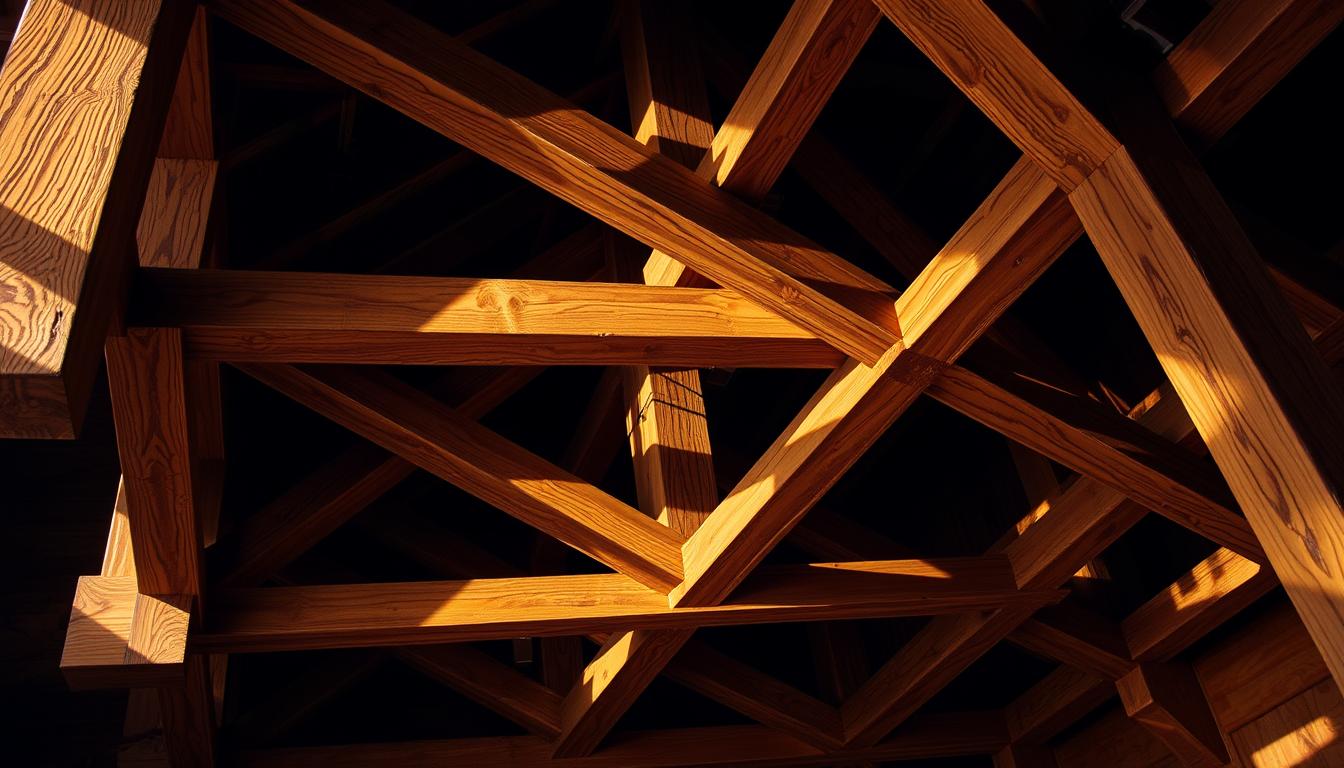
Staining, Distressing, and Finishing Touches
Before staining, apply a pre-stain wood conditioner to ensure even absorption. Use a brush or cloth to apply multiple coats of stain, allowing each layer to dry completely. This process enhances the natural grain of the pine and adds depth to the finish.
For a rustic, aged look, distress the surface using sandpaper or a chisel. Focus on edges and corners to mimic natural wear. This technique gives your diy faux project an authentic, timeless appeal.
| Step | Tool | Purpose |
|---|---|---|
| Cutting | Table Saw | Precise sizing |
| Jointing | Brad Nailer | Seamless assembly |
| Staining | Brush/Cloth | Even finish |
| Distressing | Sandpaper | Aged appearance |
By following these steps, you’ll create a stunning wood beam that adds character and warmth to your space. Precision and attention to detail are key to achieving a professional finish.
Installation Techniques and Securing Your Beams
Proper installation is the key to ensuring your design stands the test of time. This step ensures your project not only looks great but also remains secure and durable. Follow these strategies to achieve a flawless finish.
Attaching Beams to the Ceiling and Studs
Start by positioning your beams in the desired location. Use a stud finder to locate the ceiling studs, as anchoring directly into them provides maximum stability. Mark the positions carefully to ensure accuracy.
Next, install cleats—small wooden supports—to hold the beams in place. Secure the cleats to the studs using long screws or lag bolts. This method ensures the beams are firmly attached and reduces the risk of sagging over time.

Addressing Pitfalls and Adjusting for Vent Obstructions
One common challenge is working around vents or other obstructions. Measure the space carefully and adjust the beam placement to avoid interference. If necessary, trim the beams slightly to fit around obstacles without compromising the overall look.
For uneven ceiling lines, use shims to level the beams. This ensures a seamless appearance and prevents gaps. Double-check all measurements before securing the beams to avoid costly mistakes.
To maintain a consistent color, apply wood stain evenly across the beams. Use a brush or cloth for smooth application, and allow each coat to dry completely. Touch up any uneven areas for a polished finish.
| Step | Tool | Purpose |
|---|---|---|
| Positioning | Stud Finder | Locate studs |
| Securing | Long Screws | Anchor beams |
| Leveling | Shims | Even placement |
| Staining | Brush/Cloth | Consistent color |
Weekly progress check-ins are essential to stay on track. Inspect your work at the end of each week to ensure everything is aligned and secure. Post-installation, make any final adjustments to perfect the look.
By following these steps, you’ll create a stunning design that enhances your space. Attention to detail during installation guarantees a professional result that you can enjoy for years to come.
Troubleshooting and Enhancing the Look
Even the most well-planned projects can encounter unexpected challenges. Addressing these issues promptly ensures your design remains polished and professional. This section provides practical solutions to common problems and shares expert tips to elevate your project.
Common Issues and Pro Tips for a Professional Finish
One frequent issue is uneven cuts, which can disrupt the overall symmetry. Using a table saw or miter saw ensures precise measurements and clean edges. Double-check your measurements before cutting to avoid costly mistakes.
Misaligned boards can also detract from the final look. If this happens, reattach the boards using extra screws and wood glue for added stability. Ensure each beam is centered correctly to maintain balance in your design.
Staining inconsistencies are another common challenge. Apply a pre-stain wood conditioner to ensure even absorption. Use a brush or cloth for smooth application, and allow each coat to dry completely. For a distressed finish, focus on edges and corners to mimic natural wear.
Choosing the right drill bit size for pilot holes is crucial. This prevents splitting and ensures a secure fit. If you’re working with pine boards, use a bit slightly smaller than the screw diameter for optimal results.
“Attention to detail during the finishing process can transform a good project into a great one.”
For a cohesive design, consider integrating lighting solutions. Effective lighting can enhance the overall ambiance, much like creating the perfect lighting for your home. This idea adds depth and warmth to your space.
By addressing these challenges and applying these tips, you’ll achieve a professional finish that enhances your home’s aesthetic. Precision and patience are key to creating a design that stands the test of time.
Conclusion
Achieving a stunning transformation in your home is easier than you think. This project takes you through every part of the process, from planning to installation. Each step—whether it’s cutting, jointing, or applying glue—contributes to the final look.
Attention to detail ensures every joint is seamless, and every cut is precise. The end result is a cohesive design that dramatically changes the look like of your space. With careful craftsmanship, you can create a professional finish that reflects your style.
Approach each step with confidence, knowing that this project is a rewarding process. Share your results and inspire others to take on their own creative challenges. The end result is worth every effort, leaving you with a space that truly stands out.
FAQ
What type of wood is best for creating faux beams?
Pine boards are a popular choice due to their affordability and ease of staining. You can also use other softwoods like cedar or fir for a similar effect.
How do I ensure the beams are securely attached to the ceiling?
Use screws to anchor the beams into the ceiling studs. For added stability, apply construction adhesive along the edges before securing them.
Can I install these beams myself, or do I need professional help?
With the right tools and a step-by-step guide, you can complete this project on your own. It’s a great way to enhance your space without hiring a contractor.
How do I hide seams or joints between boards?
Use wood filler to smooth out the seams, then sand the area before staining. Proper alignment during assembly also helps minimize visible joints.
What tools are essential for this project?
You’ll need a miter saw, drill, nails, screws, wood glue, and a measuring tape. A stud finder is also helpful for locating ceiling supports.
How can I achieve a distressed or aged look for the beams?
Use sandpaper to roughen the edges and corners. Apply a darker stain first, then lightly sand it off to reveal the wood grain for an antique effect.
What should I do if there are vents or obstructions in the ceiling?
Measure the space carefully and adjust the beam length or design to accommodate the obstruction. You can also create a custom cutout if needed.
How do I choose the right stain color for my beams?
Consider the existing decor in your room. Test a small area with different stains to see which complements your space best before applying it to the entire beam.
Can I use faux beams to cover existing ceiling flaws?
Yes, faux beams are an excellent way to hide imperfections like cracks or uneven surfaces while adding a decorative element to your room.
How long does it take to complete this project?
The timeline depends on the complexity and size of the project. On average, it can take a weekend from start to finish, including drying time for stains and adhesives.