Did you know that over 60% of homeowners are now incorporating advanced lighting solutions into their decor? This trend combines the timeless beauty of natural materials with the versatility of modern technology. By blending these elements, you can create a stunning focal point in any room.
Choosing the right materials is crucial for both durability and visual appeal. High-quality wood and energy-efficient lighting ensure your project stands the test of time. This guide will walk you through the process, balancing artistic design with technical precision.
Whether you’re looking to enhance your living room or office, this project offers endless customization options. From adjustable brightness to a variety of colors, you can tailor the lighting to suit your space perfectly.
Key Takeaways
- Combining natural materials with modern lighting creates a unique aesthetic.
- High-quality wood and LED strips ensure durability and efficiency.
- Customizable lighting options allow for personalized designs.
- This project blends traditional craftsmanship with advanced technology.
- Step-by-step instructions make the process accessible for all skill levels.
Project Overview and Essential Supplies
To achieve professional results, gathering the right materials and equipment is crucial. This project combines traditional craftsmanship with modern technology, requiring both precision and creativity. Proper preparation ensures a seamless connection between components and a polished final look.
Materials and Components
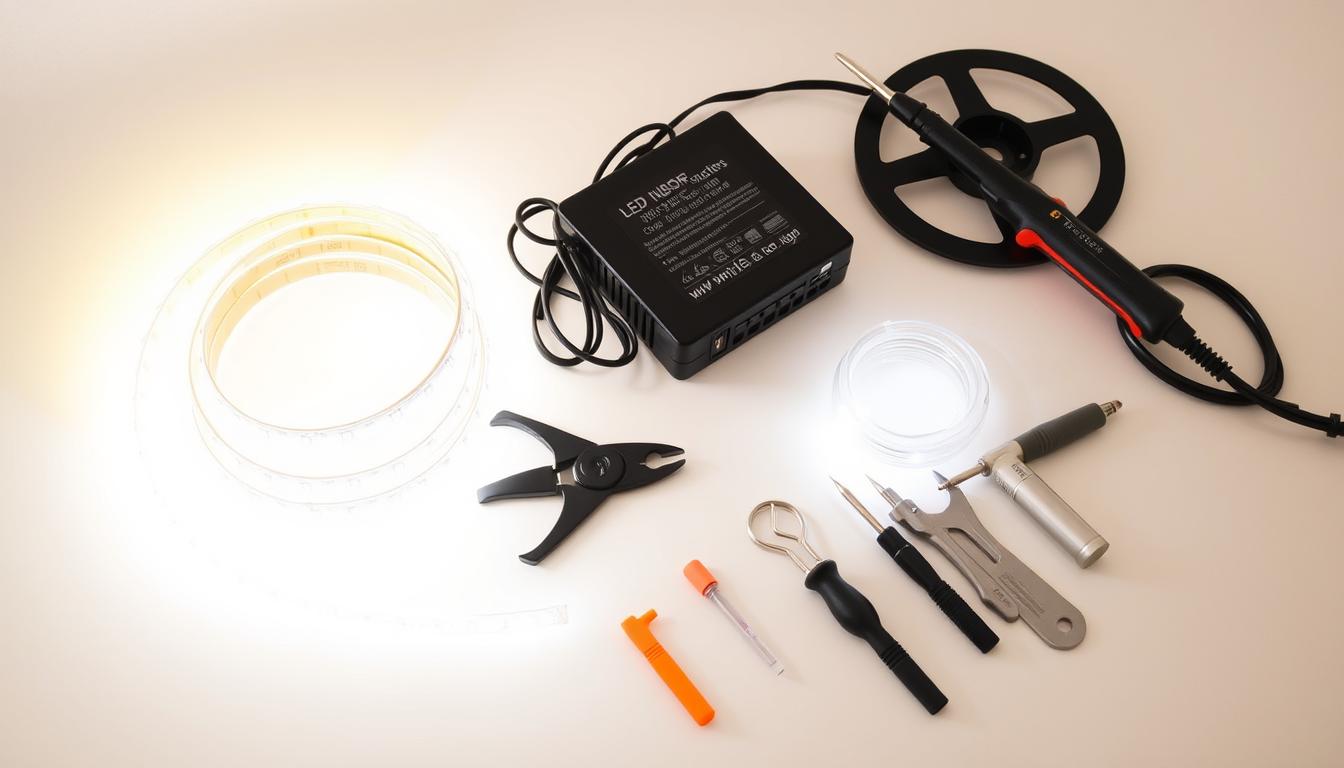
Start with high-quality okumé plywood, measuring 50cm wide and 35cm tall. For lighting, you’ll need 10 meters of energy-efficient strips, divided into two circuits. A reliable power supply rated at 12V and 10A is essential to handle the load. Don’t forget connectors and cables to ensure smooth connections between segments.
Additional components like ESP32 boards enable smart control, while screws and adhesive ensure secure mounting. Properly preparing these materials prevents issues like unstable mounting or poor power distribution.
Tools and Equipment You’ll Need
Precision tools are key to this project. A soldering iron ensures secure circuit connections, while a drill press and wood saw allow for accurate cutting and assembly. A 3D printer can create custom connectors and hubs for a seamless finish.
Other essentials include a tape measure, spirit level, and fine-tooth blade for precise cuts. By using the right tools, you’ll achieve a professional look and avoid common pitfalls like misaligned wall panels or uneven lighting.
With these supplies and tools, you’re ready to tackle the next steps. Proper preparation sets the stage for a stunning final product that blends artistry and functionality.
Designing Your Wood Panel and LED Layout
Creating a harmonious blend of aesthetics and functionality starts with thoughtful design. This phase ensures your project not only looks stunning but also operates seamlessly. By carefully planning the layout, you can achieve a cohesive look that enhances your home decor.

Planning the Aesthetic and Functional Aspects
Balancing beauty and practicality is key. Start by considering the color scheme and patterns that complement your space. Next, focus on the functional side, ensuring even distribution of light and proper wire routing.
Measure the available space to determine the placement of each component. This step prevents overcrowding and ensures a clean, professional finish. A well-planned layout also minimizes wiring complications, making the assembly process smoother.
Creating Precise Templates and Layouts
Precision is crucial when designing templates. Use detailed measurements to create accurate patterns for cutting the panels. This ensures each piece fits perfectly with the wire routing and LED placement.
Here’s a quick guide to help you plan your layout:
| Step | Action |
|---|---|
| 1 | Measure the available space. |
| 2 | Sketch the layout, marking LED and panel positions. |
| 3 | Create templates for precise cutting. |
| 4 | Test the layout before final assembly. |
Investing time in the design phase pays off. A well-planned layout ensures your project enhances both form and function, creating a stunning focal point in your home.
Cutting and Preparing the Wooden Panels
Achieving flawless results begins with precise cutting and preparation. This step ensures your panels are uniform and ready for the next phase. Using the right tools and techniques will save you time and effort in the long run.
Techniques for Accurate Cutting and Sanding
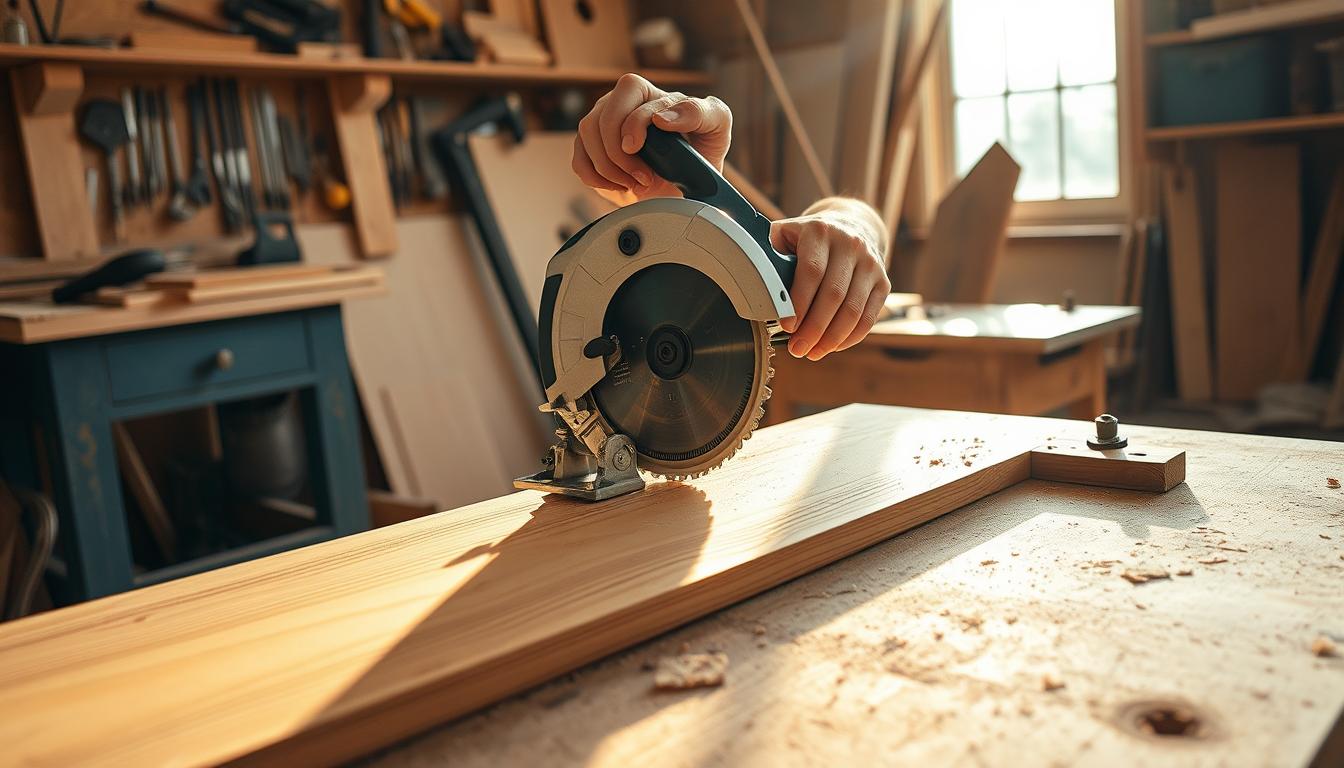
Start by selecting the appropriate tools for the job. A mitre saw is ideal for making clean, straight cuts. For curved edges, a jigsaw offers the flexibility you need. Always use a fine-tooth blade to avoid splintering the wood.
Double double-sided tape can be a game-changer during this process. It helps secure the panels in place, ensuring they don’t shift while you work. This way, you maintain precision and avoid errors.
Sanding is equally important. Use a sander to smooth out rough edges and surfaces. Start with coarse-grit sandpaper and gradually move to finer grits for a polished finish. This step ensures the panels are ready for LED integration.
Ensuring Uniformity and Precision
Using templates and jigs is the best way to achieve consistent results. These tools guide your cuts, ensuring every panel is identically sized. Measure twice and cut once to avoid costly mistakes.
Here’s a quick guide to help you stay on track:
| Step | Action |
|---|---|
| 1 | Measure and mark the wood panels. |
| 2 | Secure panels with double double-sided tape. |
| 3 | Cut using a mitre saw or jigsaw. |
| 4 | Sand edges and surfaces for a smooth finish. |
By following these steps, you’ll ensure your panels are perfectly prepared. A steady hand and attention to detail will eliminate potential issues and set the stage for a stunning final product.
Integrating LED Strips and Making Reliable Connections
Ensuring seamless integration of lighting strips requires careful preparation and precise execution. This step is crucial for achieving a professional finish and ensuring the system operates flawlessly. By following these guidelines, you’ll create a setup that’s both visually stunning and functionally reliable.

Preparing the LED Strips and Wiring
Start by measuring and cutting the strips to fit your design. Use a sharp pair of scissors to ensure clean cuts along the marked lines. This prevents damage to the circuit and ensures proper functionality.
Next, prepare the wiring. Strip the ends of the wires to expose the conductors, ensuring they’re ready for soldering. Use heat shrink tubing to protect the connections later. This step is essential for maintaining the integrity of the circuit.
For mounting, apply double-sided tape to the back of the strips. This ensures they stay securely in place during installation. If additional support is needed, consider using hot glue for extra stability.
Soldering, Tinning, and Connector Installation
Soldering is a critical step for creating durable connections. Begin by tinning the contacts on the strips and wires. This involves applying a thin layer of solder to prepare the surfaces for bonding.
Once tinned, carefully solder the wires to the strips. Ensure the polarity is correct to avoid issues later. Use heat shrink tubing to cover the solder joints, protecting them from damage and enhancing durability.
If you’re using connectors, choose ones that match your setup. Install them securely, ensuring they’re properly aligned. This step simplifies future maintenance and upgrades.
Here are some key tips to keep in mind:
- Always double-check the polarity of your connections.
- Use double double-sided tape for secure mounting.
- Protect solder joints with heat shrink tubing for long-lasting durability.
- Test the circuit before finalizing the installation.
By following these steps, you’ll create a reliable and visually appealing lighting setup. Proper preparation and attention to detail ensure your project stands the test of time.
Custom 3D Printed Components for Secure Assembly
Custom 3D printed components bring precision and innovation to your project. These parts play a vital role in securely assembling wood panels and lighting strips. By designing hubs, jigs, and connectors, you can ensure a clean, modern appearance while solving common assembly problems.

Designing Hubs, Jigs, and Connectors
Creating custom 3D printed parts starts with careful design. Hubs and jigs must match the exact size and configuration of your wood panels. This ensures proper alignment and a seamless finish. Using a 3D printed box element can also solve problems related to panel stability and wiring concealment.
Here’s a quick guide to designing these components:
| Step | Action |
|---|---|
| 1 | Measure the dimensions of your wood panels. |
| 2 | Design hubs and jigs using CAD software. |
| 3 | Print components with durable materials. |
| 4 | Test fit and adjust as needed. |
These custom parts serve as connectors between panels, ensuring both stability and a polished look. They also help maintain consistent lighting effects by preventing size discrepancies.
By integrating modern 3D printing technology, you achieve a high-end finish with functional benefits. This approach not only enhances the aesthetic appeal but also simplifies the assembly process.
Installing and Configuring WLED for Smart Control
Smart control of your lighting system starts with the right setup. By integrating the ESP32 controller and WLED firmware, you can achieve seamless automation and customization. This process ensures your led light setup is both functional and user-friendly.

Setting Up the ESP32 Controller
Begin by flashing the WLED firmware onto your ESP32 board. Visit install.wled.me for detailed instructions. This step is crucial for enabling smart features like remote control and automation.
Ensure your power supply is compatible with the ESP32 and led light strips. A stable power source prevents issues like flickering or inconsistent performance. Double-check connections to avoid short circuits.
Configuring Network and LED Settings
Once the firmware is installed, configure the network settings. Assign a static IP address to the ESP32 for easy access. This step ensures your controller remains accessible on your home network.
Next, set up the led light parameters. Define the number of LEDs and their arrangement in the WLED interface. This customization allows you to create unique lighting effects tailored to your space.
Integrate tactile buttons for manual control. These buttons can toggle effects, adjust brightness, or switch between presets. This feature adds an interactive element to your setup.
| Step | Action |
|---|---|
| 1 | Flash WLED firmware onto the ESP32. |
| 2 | Configure network settings and assign an IP address. |
| 3 | Set LED parameters in the WLED interface. |
| 4 | Integrate tactile buttons for manual control. |
By following these steps, you’ll create a stable, smart-controlled lighting system. Proper configuration ensures your led light setup integrates seamlessly with your network and enhances your space.
DIY Wooden Panels with LED Backlighting: Final Assembly and Troubleshooting
Bringing your project to life involves meticulous assembly and troubleshooting to ensure a flawless finish. This phase is where all the hard work pays off, resulting in a cohesive and polished display. Attention to detail here ensures the final product meets your expectations.
Connecting Panels for a Seamless Look
To achieve a unified appearance, use 3D printed arms and bridges to connect each piece. These components ensure precise alignment and eliminate uneven gaps. Secure mounting is crucial to maintain the desired effect and overall integrity of the project.
Managing cable lengths is equally important. Ensure all input signals flow correctly across panels by organizing wires neatly. This step prevents clutter and ensures smooth operation. Here’s a quick checklist to guide you:
- Use 3D printed connectors for precise alignment.
- Organize cables to avoid tangling or interference.
- Test each connection before finalizing the setup.
Overcoming Common Issues and Adjustments
Even with careful planning, you may encounter challenges like inconsistent lighting or loose connections. Address these issues systematically to maintain the project’s quality. For example, check the input signals to ensure they’re consistent across all panels.
If you notice uneven lighting effects, adjust the placement of the strips or check the power supply. A stable power source is essential for consistent performance. Here are some tips to troubleshoot effectively:
- Double-check all connections for stability.
- Test the lighting effects in different settings.
- Ensure the length of the strips matches the design plan.
By following these steps, you’ll create a seamless and functional display. Systematic testing and adjustments ensure every piece works harmoniously, resulting in a stunning final product.
Conclusion
This project blends creativity and precision, offering a modern solution for enhancing your space. From designing and cutting the plywood to establishing secure connections and smart controls, each step requires attention to detail. The combination of craftsmanship and technology ensures a professional finish that stands out.
Every part of the process, from the initial design to the final assembly, plays a crucial role. Whether it’s ensuring the right supply of materials or perfecting the placement of each point, precision is key. For those looking to dive deeper, detailed video tutorials and related pages provide additional guidance.
Applying these techniques to your own space can transform its ambiance. Remember, every detail matters, from the number of screws to the wiring setup. Explore more budget-friendly upgrades to enhance your home theater experience. Start your project today and enjoy the blend of innovation and artistry.
FAQ
What materials are needed for this project?
You will need wooden panels, LED strips, a power supply, connectors, screws, double-sided tape, and a circuit box. Ensure you have all components before starting.
How do I plan the layout for the LED strips?
Measure the dimensions of your wooden panel and create a template. Mark the placement of the strips to ensure even lighting and a seamless effect.
What tools are essential for cutting and preparing the panels?
A saw, sandpaper, and a measuring tape are crucial. For precision, consider using a jigsaw or circular saw.
How do I connect the LED strips securely?
Use soldering or connectors to link the strips. Ensure the connections are tight and insulated to avoid any electrical issues.
Can I customize the LED lighting effects?
Yes, by using an ESP32 controller and WLED software, you can configure various lighting effects and control them via your network.
What are common issues during assembly and how can I fix them?
Uneven lighting or loose connections are common. Double-check your wiring and ensure the strips are firmly attached with double-sided tape or screws.
How do I ensure the panels look seamless when connected?
Align the edges precisely and use connectors or channels to hide the wiring. Sand the edges for a smooth finish.
What is the best way to power the LED strips?
Use a reliable power supply that matches the voltage and current requirements of your LED strips. Ensure it’s safely connected to avoid overheating.
Can I use 3D-printed components for this project?
Yes, 3D-printed hubs, jigs, and connectors can enhance the assembly process, providing secure and custom-fit solutions.
How do I configure the WLED software for smart control?
Install the WLED firmware on your ESP32 controller, connect it to your network, and use the app or web interface to adjust settings and effects.