Did you know that incorporating LED lighting into your seating design can reduce energy consumption by up to 70%? This modern approach not only saves money but also enhances the ambiance of your space. Whether you’re designing a home theater or a multi-level seating area, the right lighting can transform the experience.
This guide will walk you through the process of building functional and visually appealing seating platforms. You’ll learn how to select materials like oak boards and aluminum profiles, route channels for LED strips, and securely mount drivers. The result? A sleek, professional finish that combines practicality with style.
By integrating lighting into your design, you’ll create a space that’s both safe and inviting. Whether you’re aiming for a cozy home theater or a modern seating arrangement, this project is within your reach. Let’s get started!
Key Takeaways
- LED lighting can reduce energy consumption by up to 70%.
- Proper material selection ensures durability and aesthetics.
- Routing channels for LED strips enhances the design.
- Secure mounting of drivers is essential for safety.
- Combining lighting with seating creates a functional and stylish space.
Introduction to Creating Stunning LED-Enhanced Wooden Steps
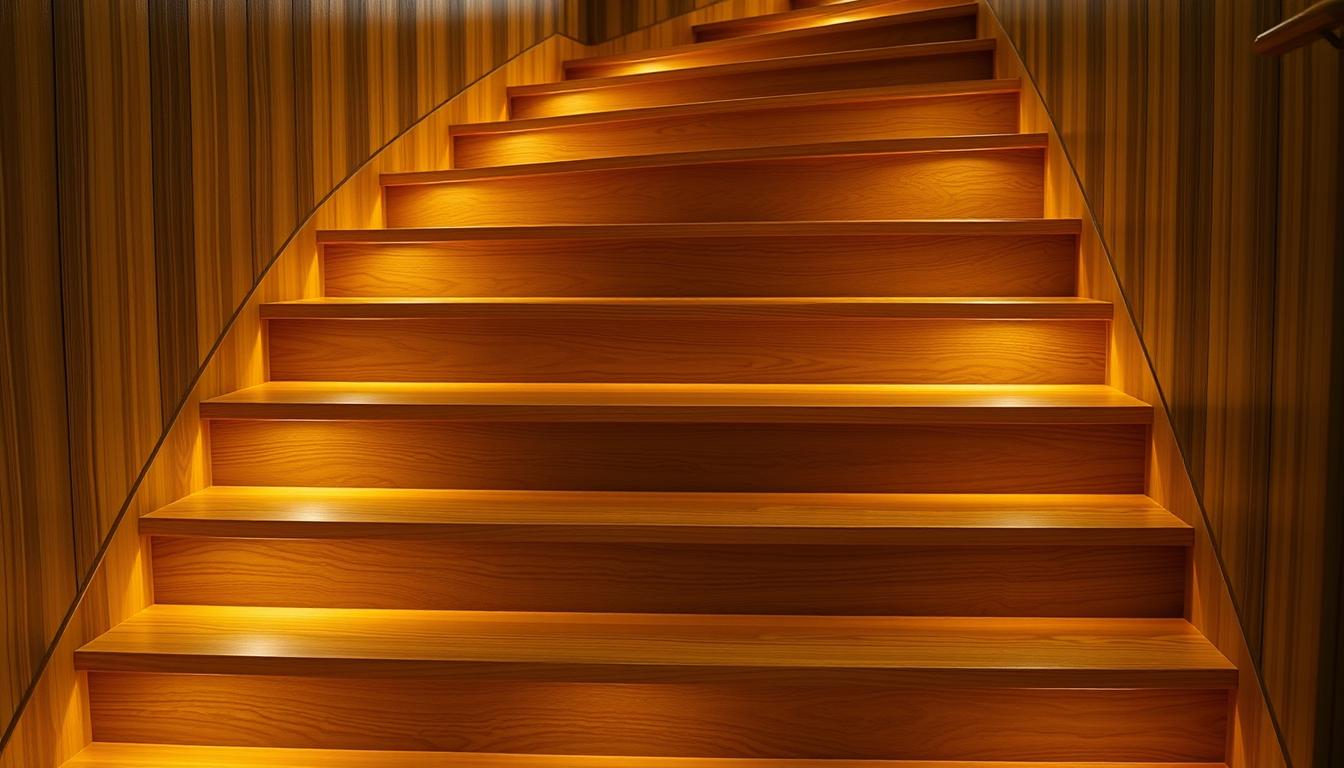
Transforming your space with innovative lighting can elevate both style and functionality. This project focuses on integrating lighting into seating platforms, creating a modern and practical design. Whether you’re building a home theater or a multi-level seating area, this guide will walk you through every step.
Understanding the Project Overview
The process begins with planning and measuring. You’ll need to consider the step height, wall placement, and power requirements. Proper measurements ensure a seamless installation and a professional finish. From routing channels to securing drivers, each stage is designed to enhance both safety and aesthetics.
Benefits of Tiered Seating with LED Lighting
Integrating lighting into your seating design offers numerous advantages. It improves visibility, reduces energy consumption, and adds a modern touch to your space. The length of the lighting strips and the time spent planning will pay off in the final result. You’ll create a functional, stylish area that’s perfect for any occasion.
Gathering Materials, Tools, and Supplies
Preparing the right materials and tools is the foundation of any successful DIY project. To achieve a professional finish, you’ll need to gather specific items tailored to your design. This section outlines everything required for building and lighting your seating platforms.
Essential Woodworking Tools and LED Supplies
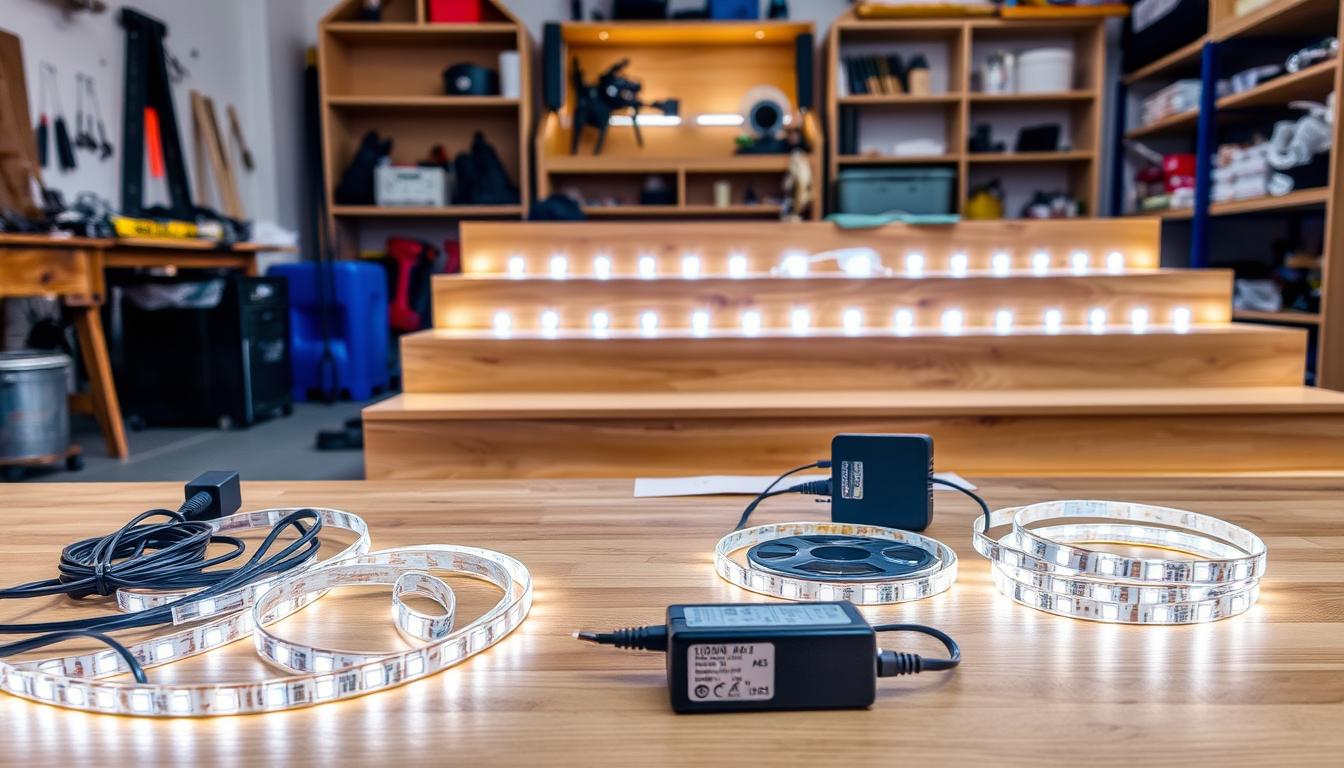
Start with the basics: a table saw for cutting oak boards, sandpaper for smoothing surfaces, and a palm router for creating grooves. These tools ensure precision and durability in your build. For lighting, select a high-quality led strip light with 12V power and appropriate wattage. Pair it with an LED driver and connector blocks for seamless integration.
Additional Hardware and Electrical Components
Beyond tools, you’ll need hardware like screws, aluminum profiles, and mounting accessories. These items secure the structure and ensure proper alignment. Don’t overlook electrical components such as wiring and power supplies. They are crucial for delivering consistent power to your lighting system.
Safety is equally important. Equip yourself with gloves, safety goggles, and a measuring tape to avoid accidents and ensure accuracy. Proper preparation saves time and effort during the installation process.
| Category | Items |
|---|---|
| Woodworking Tools | Table saw, sandpaper, palm router |
| LED Supplies | LED strips, LED driver, connector blocks |
| Hardware | Screws, aluminum profiles, mounting accessories |
| Electrical Components | Wiring, power supplies |
| Safety Equipment | Gloves, safety goggles, measuring tape |
By gathering these materials and tools, you’ll set the stage for a smooth and efficient build. Proper preparation ensures a professional finish and a functional, stylish seating area.
Designing Your Wooden Steps and Seating Layout
Designing a functional and visually appealing seating layout requires careful planning and attention to detail. The right balance between structure and aesthetics ensures both comfort and style. This section will guide you through the essential steps to create a cohesive design.
Planning Your Tiered Seating Configuration
Start by measuring the space and determining the height and depth of each tread. Proper measurements are crucial for stability and comfort. Consider the staircase layout and ensure each step aligns with safety standards.
Use a table to organize your measurements and materials. This helps avoid errors and ensures a smooth installation process.
| Component | Measurement |
|---|---|
| Step Height | 6-7 inches |
| Step Depth | 11 inches |
| Row Spacing | 8 inches |
| Walkway Width | 36 inches |
Incorporating Aesthetic Elements with LED Lighting
Select wood types and lighting colors that complement each other. Natural wood textures paired with warm or cool lighting create a harmonious look. The color of the lighting can enhance the ambiance and highlight the design.
For example, warm lighting works well with oak, while cool tones complement darker woods. Experiment with different combinations to find the perfect match for your project.
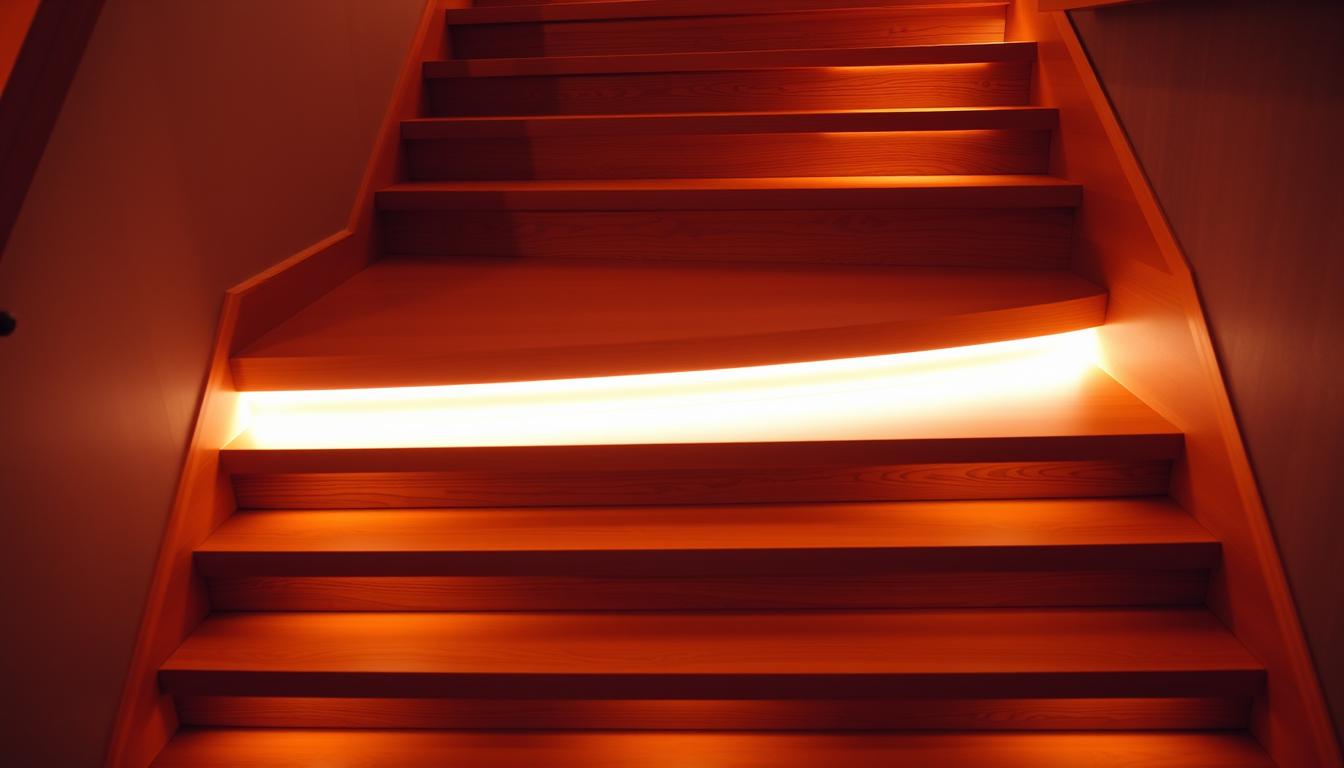
Design decisions impact both the structure’s stability and the lighting’s performance. Ensure the placement of lights enhances visibility without compromising the design. A well-planned layout results in a functional and stylish space.
Make wooden steps with LED strips for tiered seating.
Achieving a seamless blend of structure and lighting requires careful planning and precise execution. This section dives into the technical and aesthetic aspects of creating a functional and visually appealing design. By understanding the requirements and making informed choices, you can ensure a professional finish.
Understanding the Structural and Lighting Requirements
Structural stability is the foundation of any successful project. Start by ensuring the base is secure and capable of supporting the weight of the seating area. Use durable materials like oak boards, which offer both strength and aesthetic appeal. Proper alignment and spacing are essential for safety and comfort.
When integrating lighting, consider the placement and power requirements. The voltage of the LED driver must match the strip’s specifications to avoid malfunctions. Plan the layout to ensure even light distribution and avoid dark spots. This balance between structure and lighting enhances both form and function.
Choosing the Right Wood and LED Strip Specifications
Selecting the right wood is crucial for durability and style. Oak is a popular option due to its strength and natural beauty. Prepare the boards by sanding and sealing them to prevent wear and tear. This ensures a long-lasting finish that complements the lighting design.
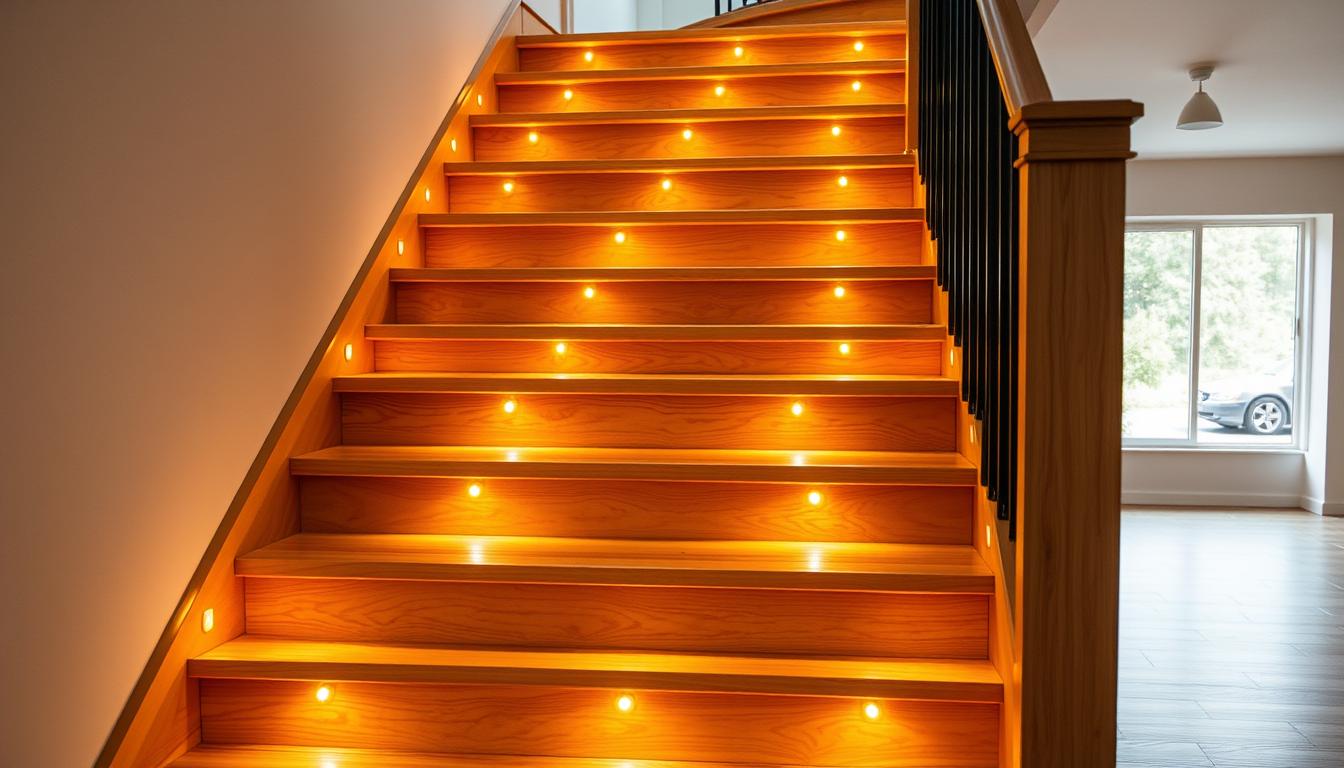
For lighting, consider the brightness and chip type of the LED strips. Options like 2835, 5050, and 3528 chips offer varying levels of illumination. Choose a brightness level that suits the ambiance you want to create. Pair the strips with aluminum profiles for secure mounting and a polished look.
| Chip Type | Brightness (Lumens) | Best Use |
|---|---|---|
| 2835 | 20-22 | Subtle, ambient lighting |
| 5050 | 24-28 | Bright, task lighting |
| 3528 | 18-20 | Decorative accents |
By combining the right materials and lighting specifications, you can create a design that is both functional and visually stunning. This approach ensures a professional finish that enhances the overall experience.
Step-by-Step Guide to Installing LED Strips
Proper preparation and precise execution are key to a flawless installation process. This section provides detailed instructions to ensure your project is completed efficiently and safely. Follow these steps to achieve a professional finish.
Preparing and Cutting Your Wooden Boards
Start by measuring and marking the boards to the required dimensions. Use a table saw for accurate cuts. Sand the edges with 120-grit sandpaper to smooth any rough surfaces. This ensures a clean, polished look.
Next, plan the placement of the lighting channels. Measure and mark the areas where the grooves will be routed. Proper planning prevents errors and ensures a seamless installation.
Routing, Drilling, and Setting Up Aluminum Profiles
Using a palm router, carefully create grooves in the boards for the lighting strips. Ensure the depth and width match the specifications of your aluminum profiles. These profiles act as both mounting channels and heat sinks.
Drill holes for securing the profiles to the boards. Use a drill bit that matches the size of your screws. Proper alignment is crucial for a stable and professional finish.
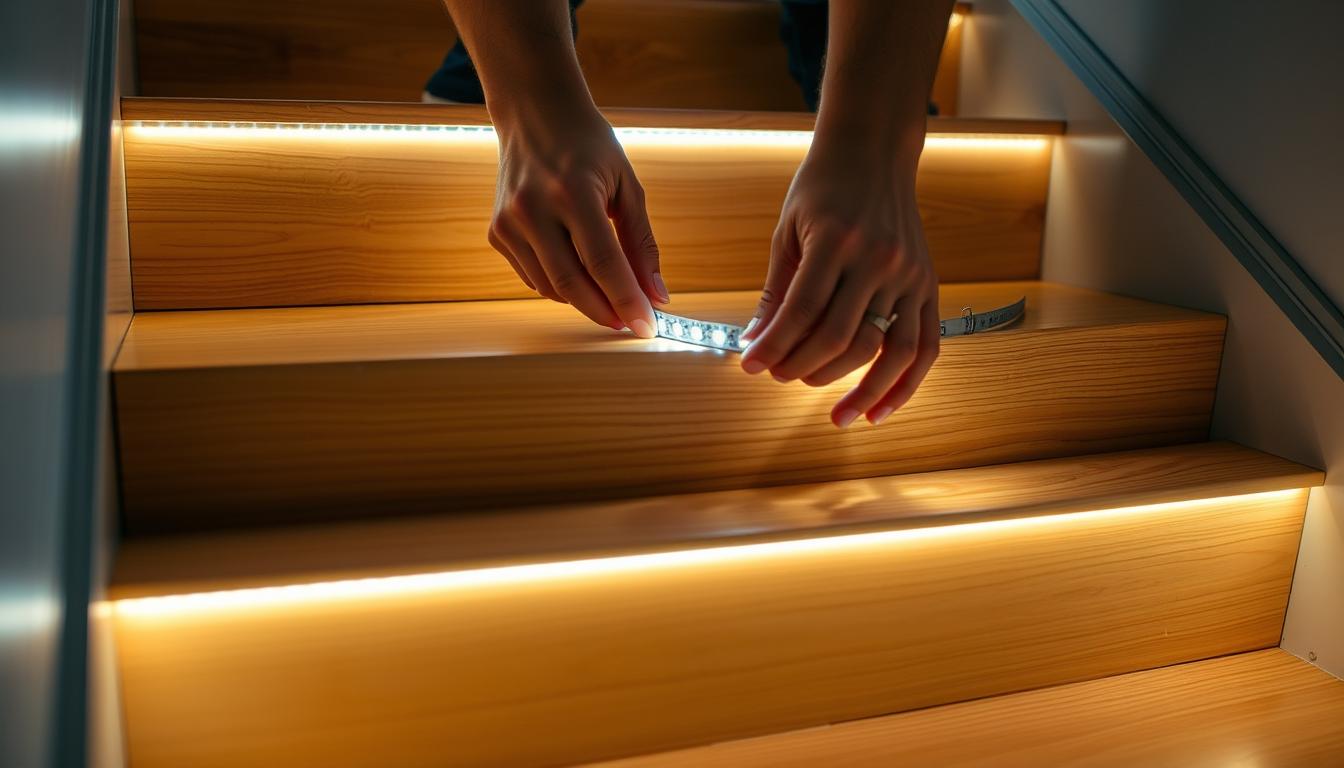
Attach the aluminum profiles to the boards using screws. Ensure they are securely fastened to prevent movement. This step provides a sturdy base for the lighting strips.
- Measure and cut boards to the required dimensions.
- Sand edges for a smooth finish.
- Route grooves for lighting channels.
- Drill holes for securing aluminum profiles.
- Attach profiles securely to the boards.
By following these steps, you’ll create a solid foundation for your lighting project. Proper preparation ensures a smooth installation and a professional result.
Mounting the LED Strips and Managing Wiring
Ensuring a clean and professional finish for your lighting project involves precise mounting and wiring techniques. Proper alignment and secure adhesion are critical to achieving even light distribution and a polished look. This section covers advanced methods to mount the strips, manage wiring, and hide the driver for a seamless installation.
Proper Alignment and Adhesion Techniques
Start by aligning the LED strips flush with the board surface. Use mounting tape or hot glue to secure the strips in place. This ensures they remain flat and evenly spaced. For added stability, consider using aluminum profiles as mounting channels.
When working with rgb strips, ensure the connectors are properly aligned to maintain consistent color output. Test the alignment before finalizing the adhesion to avoid rework. Proper alignment enhances both the aesthetics and functionality of the lighting.
Securing Wires and Hiding the LED Driver
Conceal wiring behind the riser to maintain a clean and professional appearance. Use routed grooves or low-voltage boxes to hide the wires effectively. This method prevents tangling and ensures safety.
Secure the LED driver within the profile channel to protect it from visibility and mechanical strain. Use brackets or clips to keep it in place. Proper wire management and driver concealment contribute to a polished and functional design.
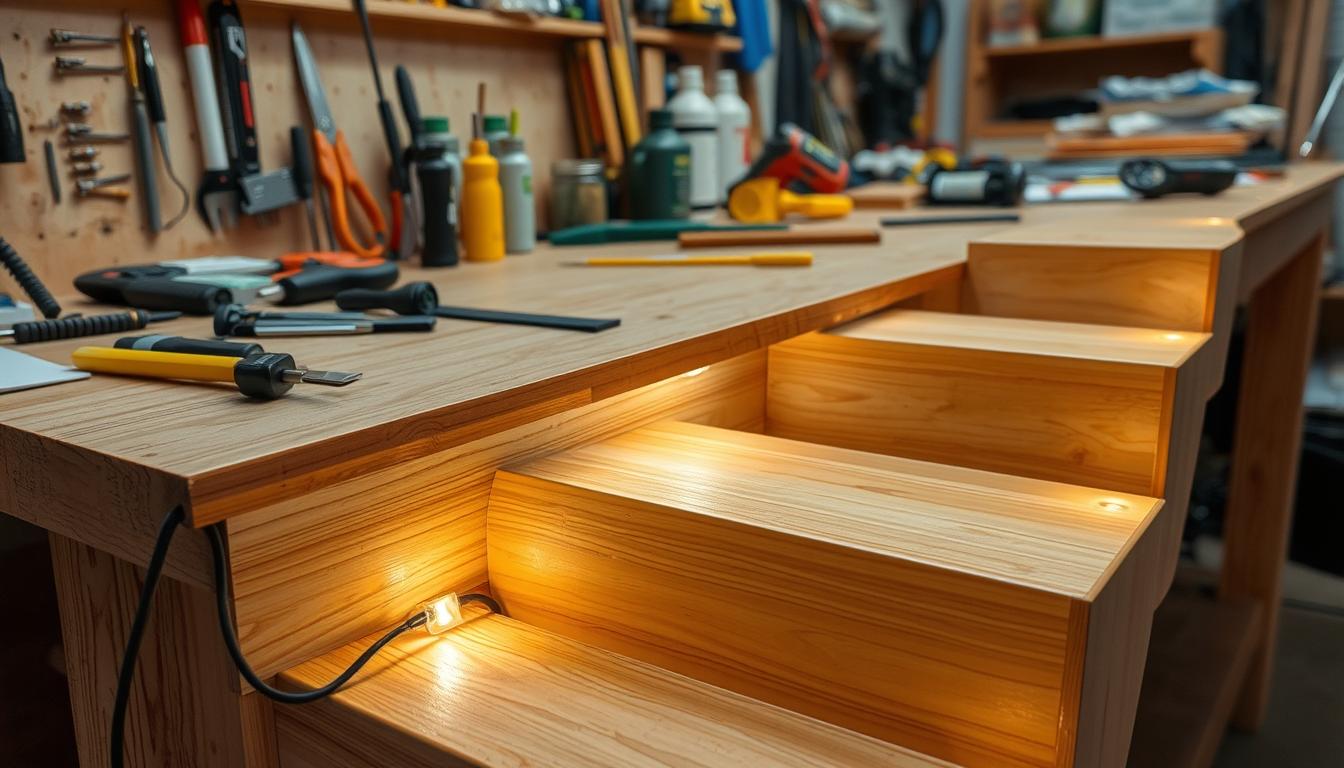
| Component | Technique |
|---|---|
| LED Strips | Use mounting tape or hot glue for secure adhesion |
| Wiring | Conceal behind riser using routed grooves |
| LED Driver | Secure within profile channel using brackets |
| Connectors | Align properly for consistent color output |
Testing connections as you progress is essential to avoid electrical issues later. Ensure all components are securely mounted and properly aligned before finalizing the installation. These techniques guarantee a professional finish and long-lasting performance.
Enhancing the Lighting Ambiance and Functionality
Customizing your lighting setup can transform the mood and functionality of any space. By adjusting brightness and color options, you can create a dynamic and inviting atmosphere. This section explores advanced techniques to fine-tune your design and achieve the perfect balance of style and practicality.
Adjusting Brightness and Color Options
One of the most effective ways to enhance ambiance is by adjusting the brightness and color of your lighting. Warm white tones create a cozy, inviting feel, while cool white offers a modern, crisp edge. For a more versatile setup, consider RGB strips that allow you to switch between colors dynamically.
Using a driver and controller, you can customize the lumen output to suit your needs. Higher lumen levels are ideal for task lighting, while lower levels work well for ambient effects. This idea allows you to create a unique look tailored to your space.
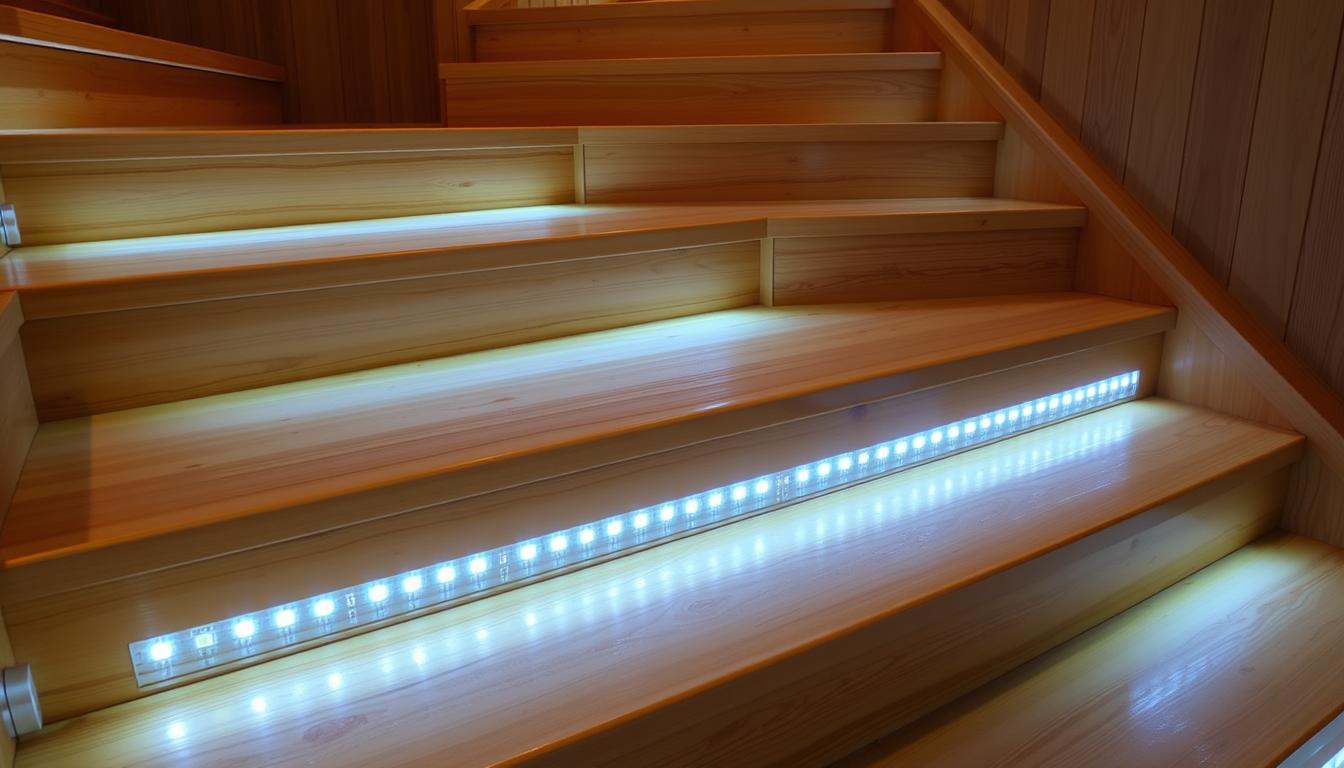
| Color Temperature | Effect |
|---|---|
| Warm White (2700K-3000K) | Creates a cozy, relaxing atmosphere |
| Cool White (4000K-5000K) | Offers a bright, modern look |
| RGB (Full Spectrum) | Allows dynamic color changes for versatility |
Installing led strips with these features can significantly enhance your project. For example, integrating RGB lighting into a home theater setup can elevate the cinematic experience. The right combination of brightness and color ensures both functionality and style.
By leveraging advanced features like dimming and color control, you can create a space that adapts to your needs. Whether you’re hosting a gathering or enjoying a quiet evening, these adjustments make all the difference.
Troubleshooting Common LED Installation Issues
Even the most well-planned projects can face challenges, and lighting installations are no exception. Whether you’re dealing with electrical errors or misaligned strips, a systematic approach can help you resolve issues efficiently. This guide provides practical solutions to ensure your project runs smoothly.
Identifying and Fixing Electrical Errors
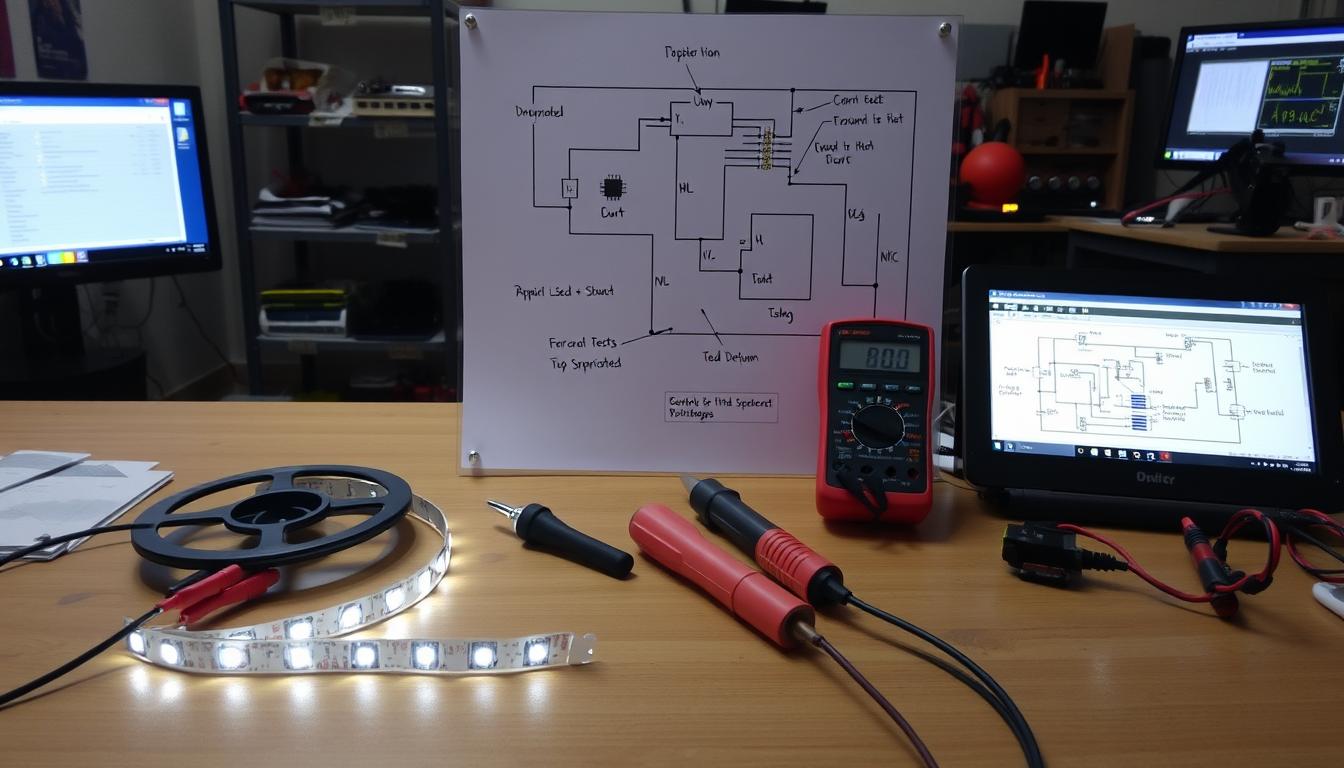
Electrical issues are a common part of lighting installations. Start by checking the polarity of your connections. Incorrect wiring can prevent the system from functioning properly. Use a multimeter to test the voltage and ensure it matches the specifications of your components.
Next, inspect the wiring for loose or damaged parts. Secure any loose connections and replace frayed wires. If the driver isn’t supplying consistent power, verify the voltage supply and ensure it’s compatible with your setup. Testing connections step-by-step helps you pinpoint and fix errors before final assembly.
Improving LED Strip Alignment and Adhesion
Proper alignment is crucial for even light distribution. If your strips are misaligned, carefully reposition them using mounting tape or adhesive. For a more secure choice, consider aluminum profiles, which provide a stable base and enhance heat dissipation.
Gaps or uneven lighting can occur if the strips aren’t adhered properly. Ensure the surface is clean and dry before applying the strips. Press firmly along the entire length to avoid air bubbles. This way, you’ll achieve a seamless and professional finish.
- Check polarity and voltage compatibility.
- Inspect and secure all wiring connections.
- Reposition strips for proper alignment.
- Clean surfaces before applying adhesive.
- Press firmly to ensure full adhesion.
By following these steps, you can address common issues and ensure a flawless installation. Troubleshooting is an essential part of the process, but with the right approach, you’ll create a functional and visually stunning space.
Safety, Maintenance, and Long-Term Care Tips
Ensuring the safety and longevity of your lighting installation requires ongoing care and attention. Proper maintenance not only enhances performance but also prevents potential hazards. By following these guidelines, you can keep your setup functional and visually appealing for years to come.
Electrical Safety and Handling Best Practices
Electrical safety is a critical aspect of any lighting project. Always inspect the wire connections to ensure they are secure and free from damage. Loose or frayed wires can lead to malfunctions or even fires. Use cable clips to secure loose components and prevent accidental disconnections.
When handling many led components, ensure the power is turned off to avoid shocks. Test the voltage with a multimeter to confirm compatibility with your system. This step helps prevent overloads and ensures consistent performance.
Routine Maintenance Procedures
Regular maintenance is essential for optimal performance. Inspect the wiring periodically to identify wear and tear. Check the piece of each component, including the LED strips and drivers, for signs of damage. Replace any faulty parts immediately to avoid further issues.
Clean the surfaces regularly to remove dust and debris. Apply a durable finish, such as clear varnish, to protect the wood from moisture and wear. This not only enhances the look but also extends the lifespan of your installation.
Handling and Replacing Components
If a component needs replacement, handle it with care. Turn off the power before removing or installing any many led parts. Use the correct tools to avoid damaging the surrounding areas. Always refer to the manufacturer’s instructions for guidance.
When replacing LED strips, ensure the new piece matches the specifications of the original. This ensures compatibility and maintains the overall look of your design. Proper handling and replacement techniques prevent unnecessary disruptions.
| Maintenance Task | Frequency |
|---|---|
| Inspect wiring | Every 3 months |
| Clean surfaces | Monthly |
| Check LED performance | Every 6 months |
| Apply protective finish | Annually |
By following these safety and maintenance tips, you can ensure your lighting installation remains safe, functional, and visually stunning. Regular care and attention will protect your investment and enhance the overall experience.
Conclusion
Creating a modern seating installation is a rewarding DIY project that combines functionality and style. By carefully following the steps—from design to installation—you can achieve a professional finish that enhances your space. The use of adhesive and precise alignment ensures the lighting stays in place, while the white strip adds a clean, modern touch.
This project highlights the benefits of combining lighting with professional techniques. The result is a functional and visually appealing setup that transforms any room. With attention to detail, you can confidently execute this project and enjoy the results.
Encourage further DIY exploration by adhering to safety and maintenance best practices. Regular checks and proper care will ensure your installation remains stunning and functional for years to come. With this guide, you can create a space that’s both practical and beautiful.
FAQ
What are the benefits of using LED strips for tiered seating?
LED strips enhance the ambiance with customizable brightness and color options. They also provide a modern, energy-efficient lighting solution that highlights the structure of your seating.
What tools and materials are needed for this project?
You’ll need woodworking tools like saws and drills, LED strips, aluminum profiles, connectors, and a power supply. Additional hardware like screws and adhesive tape is also essential.
How do I choose the right LED strip for my project?
Consider factors like brightness (measured in lumens), voltage, and color options. RGB strips offer versatility, while single-color strips provide a consistent look. Ensure the strip length matches your design.
How do I install LED strips on wooden steps?
Start by preparing the wood and routing channels for the strips. Use aluminum profiles for protection and secure the strips with adhesive. Connect the wiring and hide the driver for a clean finish.
How can I ensure the LED strips are aligned properly?
Measure and mark the placement before adhering the strips. Use a level to ensure straight lines. Aluminum channels can help maintain alignment and protect the strips.
What are the safety precautions for installing LED lighting?
Always turn off the power before working with electrical components. Use insulated tools and ensure all connections are secure. Avoid overloading the circuit and follow the manufacturer’s guidelines.
How do I troubleshoot common LED installation issues?
Check for loose connections or faulty wiring if the strips don’t light up. Ensure the power supply matches the strip’s voltage. Reapply adhesive if the strips peel off.
Can I control the brightness and color of the LED strips?
Yes, many LED strips come with controllers or apps that allow you to adjust brightness and color. RGB strips offer a wide range of color options for customization.
How do I maintain LED strips for long-term use?
Regularly clean the surface to prevent dust buildup. Check the connections and adhesive periodically. Avoid exposing the strips to moisture or extreme temperatures.
What are the best practices for hiding wires in this project?
Use wire channels or conceal them within the structure of the steps. Plan the wiring layout in advance to minimize visible cables and ensure a clean, professional look.