Did you know that 70% of employees report higher productivity in offices with effective sound management? Noise can disrupt focus, create stress, and even lead to absenteeism. Proper sound control is essential for creating comfortable, functional spaces.
Sound dampening panels play a crucial role in reducing noise and improving acoustics. However, their placement matters. Hidden installations, like panels under furniture, can significantly reduce their effectiveness. Exposed panels absorb sound waves better, ensuring optimal performance.
In spaces like restaurants and offices, reflective surfaces can cause echoes and make conversations hard to hear. Properly placed panels help distribute sound evenly, enhancing clarity and comfort. Whether you’re designing a workspace or a home theater, understanding the importance of sound management is key.
Key Takeaways
- Effective sound management boosts productivity and reduces stress.
- Exposed panels absorb sound waves better than hidden installations.
- Proper placement ensures even sound distribution in any space.
- Reflective surfaces can cause echoes and disrupt conversations.
- Sound dampening panels enhance clarity and comfort in noisy environments.
Introduction to Sound Dampening Panels
The way sound travels in a space can impact your comfort and productivity. Acoustic environments are shaped by design choices, from materials to layouts. Understanding how sound behaves is the first step to creating a better space.
Understanding Acoustic Environments
Industrial-style designs, like exposed metal ceilings and brick walls, are visually striking. However, these surfaces can cause sound to bounce and create echoes. Polished concrete floors add to the problem, making conversations hard to hear. This is where acoustic panels come into play.
Panels absorb sound waves, reducing noise and improving clarity. In spaces with high ceilings or hard surfaces, they are essential. Proper placement ensures sound is evenly distributed, enhancing the overall experience.
Why Sound Matters in Your Space
Noise isn’t just annoying—it can affect your well-being. In offices, excessive noise leads to stress and lower productivity. Restaurants with poor acoustics can lose customers due to uncomfortable dining experiences. “Sound management isn’t just about quiet; it’s about creating harmony,” says an industry expert.
By addressing sound issues, you can transform any space into a more functional and enjoyable environment. Whether it’s an office, restaurant, or home, acoustic panels are a practical solution.
The Hidden Role of Sound Dampening Panels
Effective sound management starts with understanding how materials interact with sound waves. Acoustic panels are designed to absorb these waves, but their placement is crucial. Hidden installations, like panels under furniture, significantly reduce their effectiveness. Direct exposure ensures optimal performance.
Sound waves travel through the air and interact with surfaces. When they hit a hard surface, they bounce back, creating echoes. Soft, porous materials in acoustic panels absorb these waves, reducing noise. Proper placement allows panels to intercept sound waves before they reflect, enhancing clarity.

The way panels are installed impacts their performance. Panels placed directly in the path of sound waves absorb more effectively. Obstructions, like furniture, block waves from reaching the panels, reducing their efficiency. For best results, panels should be evenly distributed throughout the space.
Here’s a breakdown of key factors that determine panel performance:
| Factor | Impact |
|---|---|
| Exposure to Sound Waves | Direct exposure ensures maximum absorption. |
| Material Density | Porous materials absorb more sound waves. |
| Placement | Even distribution prevents sound reflection. |
Understanding these factors helps you design spaces with better acoustics. For example, in a home theater, proper placement of panels can reduce echoes and enhance audio clarity. The right materials and placement ensure panels work as intended.
In summary, acoustic panels must be exposed to sound waves to function effectively. The way they interact with these waves determines their performance. By focusing on material properties and placement, you can create spaces with superior sound management.
Benefits of Effective Sound Absorption
Noise reduction transforms spaces into productive and comfortable environments. By managing sound waves, you can create a room that enhances focus and reduces stress. Whether it’s an office or a home, effective sound absorption offers multiple advantages.
Reduced Noise and Improved Comfort
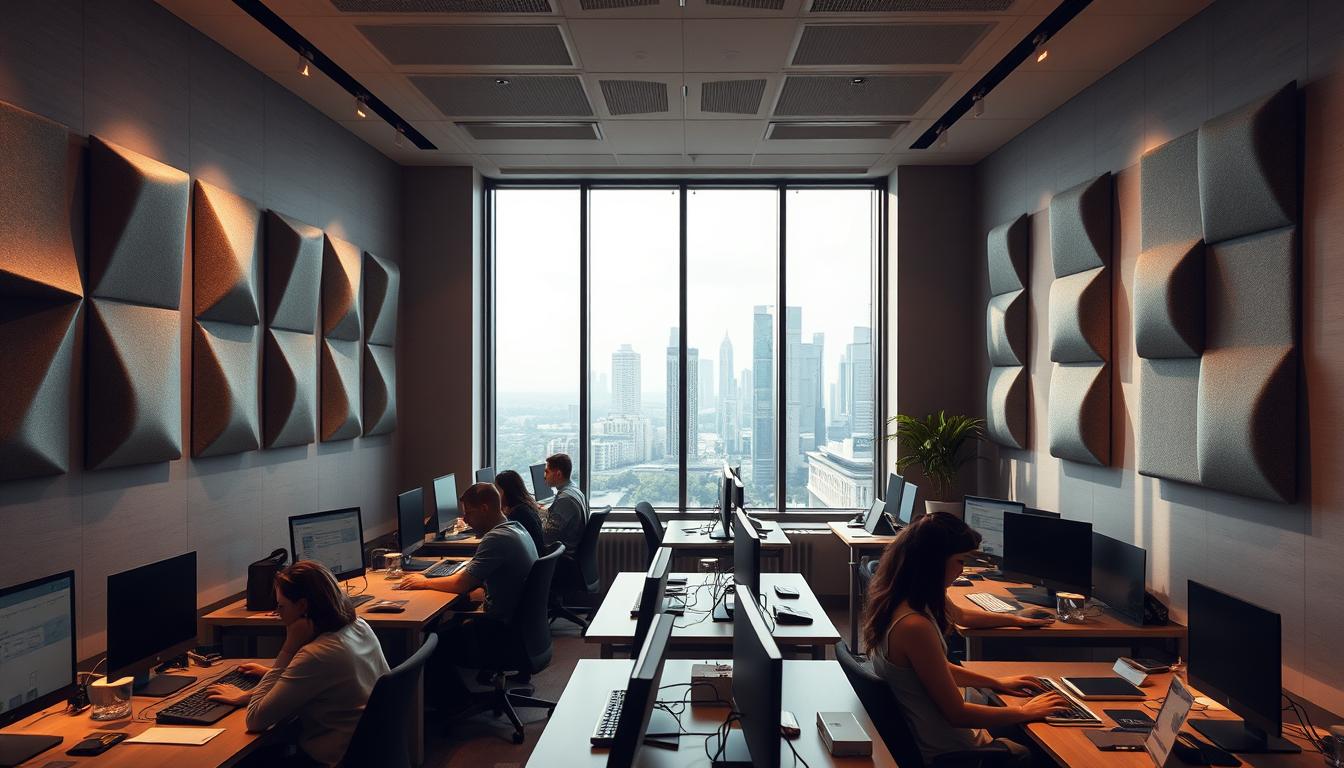
Excessive noise disrupts concentration and increases stress levels. In an office, this can lead to lower productivity. Studies show that employees in noisy environments perform worse on cognitively demanding tasks. Sound absorption panels reduce these distractions, creating a more comfortable workspace.
In a room, fewer sound waves bouncing off walls mean fewer echoes. This improves speech clarity and makes conversations easier to follow. For example, a 12’ x 12’ room requires approximately 44 sq ft of panels for optimal results. Proper placement ensures even sound distribution, enhancing overall comfort.
Here are the key benefits of effective sound absorption:
- Clearer communication due to reduced echoes.
- Improved concentration in noisy environments.
- Enhanced comfort in both offices and homes.
- Better sound quality in media rooms and theaters.
Real-life examples show how optimized panel placement transforms noisy spaces. For instance, open-plan offices often face challenges with reverberant noise. Adding sound-absorbing materials can significantly improve the acoustic environment.
| Benefit | Impact |
|---|---|
| Reduced Noise | Lower stress and improved focus. |
| Clearer Communication | Fewer echoes enhance speech clarity. |
| Improved Comfort | Better acoustics create a pleasant environment. |
By addressing sound issues, you can turn any room into a more functional and enjoyable space. Whether it’s an office, home, or media room, effective sound absorption is a practical solution.
How Sound Waves Interact With Your Space
Understanding how sound waves behave in your space is essential for effective noise control. These waves interact with surfaces and materials, creating phenomena like reflection, reverberation, and echo. By addressing these issues, you can create a more comfortable and functional environment.
Reflection, Reverberation, and Echo Explained
When sound waves hit a hard surface, they bounce back, causing reflection. This creates echoes, especially in large, empty spaces like gyms or warehouses. Reverberation occurs when multiple reflections overlap, making conversations hard to follow.
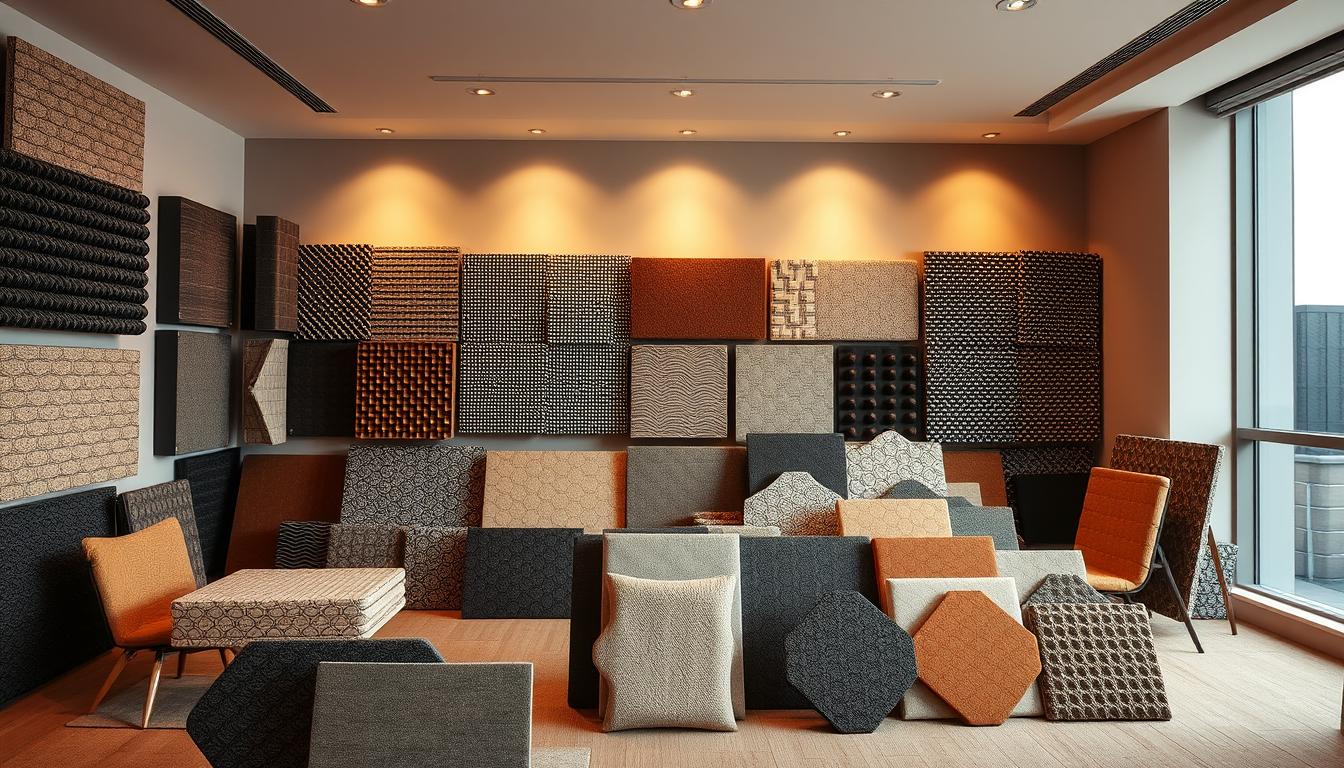
Soft, porous materials in acoustic panels absorb these waves, reducing noise. For example, panels with fabric-wrapped fiberglass are highly effective. They intercept sound waves before they reflect, enhancing clarity and comfort.
Here’s a comparison of sound wave behaviors and their impact:
| Phenomenon | Description | Solution |
|---|---|---|
| Reflection | Sound waves bounce off hard surfaces. | Use panels with high NRC ratings. |
| Reverberation | Multiple reflections overlap. | Install panels evenly across walls and ceilings. |
| Echo | Delayed sound reflections. | Place panels directly in the path of sound waves. |
Choosing the right product is crucial. Acoustic panels come in various options, from wall tiles to ceiling baffles. Each is designed to counteract negative sound reflections, ensuring optimal performance.
By understanding these behaviors, you can select the best acoustic panel for your space. Whether it’s an office, restaurant, or home, effective sound management starts with the right materials and placement.
The Science Behind Acoustic Absorption
Acoustic science plays a pivotal role in managing noise and improving clarity in any space. By understanding how sound waves interact with materials, you can effectively control echo and enhance comfort. This section dives into the principles of sound absorption and its impact on acoustics.
When sound waves hit a surface, they either reflect, absorb, or diffuse. Hard surfaces like concrete or glass cause reflections, leading to echo. Soft, porous materials, such as those in acoustic panels, absorb these waves, reducing noise. The Noise Reduction Coefficient (NRC) measures how well a material absorbs sound, with higher values indicating better performance.

In one case study, a conference room with high NRC panels saw a 30% improvement in speech clarity. This demonstrates how scientifically validated methods can transform noisy environments. By selecting materials with high NRC ratings, you can significantly reduce unwanted noise.
Here’s a breakdown of key scientific principles behind sound absorption:
| Principle | Description |
|---|---|
| Wave Absorption | Porous materials trap sound energy, reducing reflections. |
| NRC Rating | Higher ratings indicate better sound absorption. |
| Material Density | Denser materials absorb low-frequency sounds more effectively. |
Acoustics engineering also plays a crucial role in sound management. Engineers use advanced techniques to design panels that absorb, scatter, and neutralize sound waves. For example, bass traps in corners target low-frequency sounds, while diffusive panels enhance sound distribution in large spaces.
By applying these principles, you can create environments with superior acoustics. Whether it’s an office, restaurant, or home theater, understanding the science behind sound absorption ensures optimal performance.
Best Practices for Acoustic Panel Placement
Proper placement of acoustic panels can make or break your space’s sound quality. Whether you’re setting up an office, studio, or home theater, strategic positioning ensures maximum sound absorbing efficiency. Let’s explore the best practices to optimize your acoustic environment.

Wall vs Ceiling Mounting
One common question is whether to mount panels on walls or ceilings. Both options have their merits. Wall-mounted panels are ideal for reducing reflections from side walls, especially in rooms with parallel surfaces. Ceiling mounting, on the other hand, targets vertical reflections, which can significantly improve clarity in spaces with high ceilings.
For example, in a recording studio, wall panels can minimize lateral echoes, while ceiling panels address sound waves bouncing downward. Combining both approaches often yields the best results, creating a balanced acoustic environment.
Avoiding Obstructions Under Furniture
Another frequent question is whether hiding panels under furniture is effective. The short answer? It’s not. Placing panels under a desk or chair blocks sound waves, reducing their ability to absorb noise. For optimal performance, panels should be directly exposed to sound waves.
In one real-world example, an office with panels hidden under desks saw minimal noise reduction. After repositioning the panels on walls and ceilings, employees reported a noticeable improvement in focus and comfort.
Here are actionable tips for ensuring your panels are well-exposed:
- Mount panels at ear level for maximum impact in offices and meeting rooms.
- Space panels evenly to avoid clustering and ensure uniform sound absorption.
- Use bass traps in corners to address low-frequency buildup.
By following these best practices, you can transform any space into a more functional and acoustically pleasing environment. Proper placement is the key to unlocking the full potential of your sound absorbing panels.
Challenges with Hiding Acoustic Panels
Many people overlook the importance of proper panel placement for effective noise control. While it might seem convenient to hide panels under furniture or in corners, this approach often diminishes their ability to absorb sound effectively. Understanding why this happens is key to optimizing your space.
Potential Impact on Performance
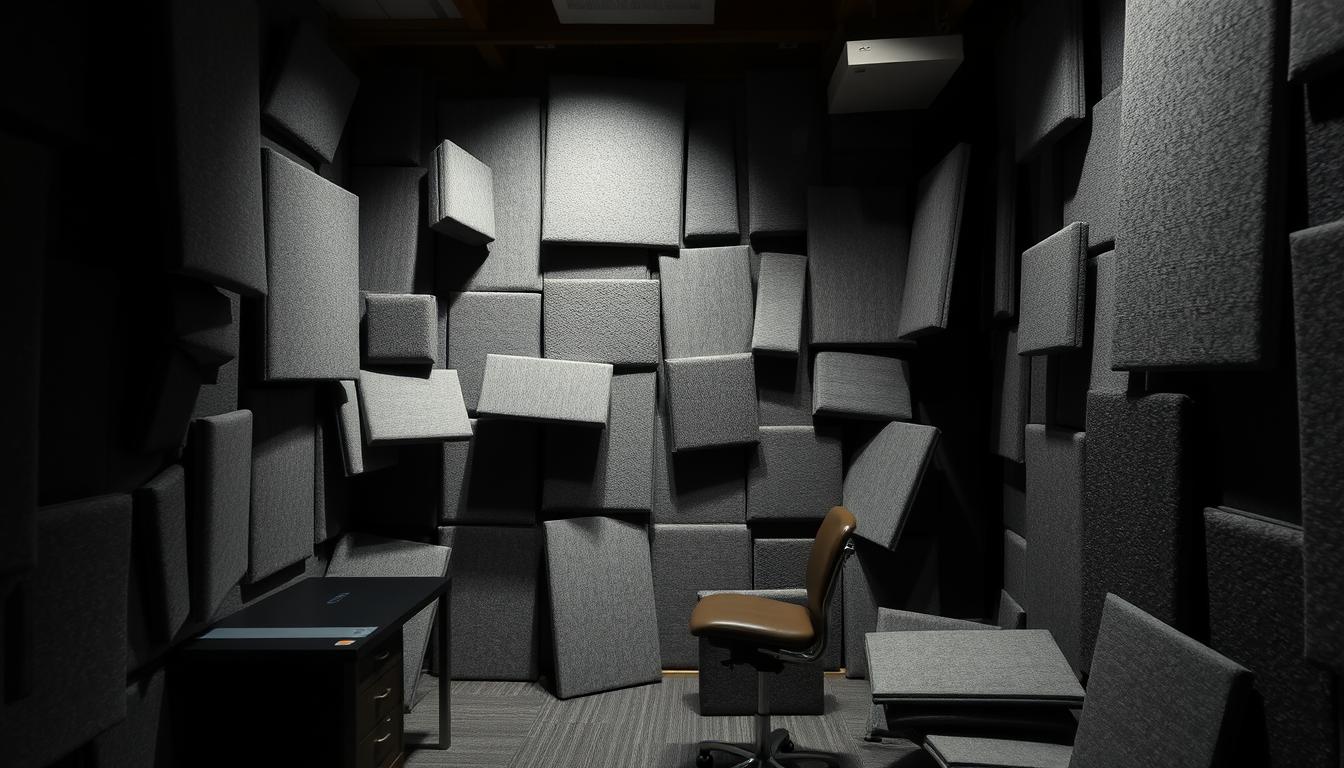
When panels are hidden, they are less exposed to sound waves. This reduces their ability to intercept and absorb noise. For example, placing panels under a desk or behind a couch blocks the path of sound waves, making them less effective. A person might think hiding panels keeps the space tidy, but it compromises their functionality.
In real-world scenarios, this can lead to significant issues. One office tried hiding panels under desks to maintain a clean aesthetic. Employees reported minimal noise reduction, and conversations remained hard to hear. After repositioning the panels on walls and ceilings, the difference was noticeable. Sound clarity improved, and focus levels increased.
Here’s why hiding panels doesn’t work:
- Sound waves need direct exposure to panels for effective absorption.
- Obstructions like furniture block waves, reducing panel efficiency.
- Even distribution of panels ensures balanced sound control.
For optimal performance, panels should be placed where sound waves travel most. This means mounting them on walls or ceilings, not hiding them under objects. A thing to remember is that sound absorption relies on direct interaction between waves and panels.
| Challenge | Solution |
|---|---|
| Hidden Panels | Mount panels on walls or ceilings for direct exposure. |
| Obstructed Sound Waves | Ensure panels are placed in the path of sound waves. |
| Uneven Distribution | Space panels evenly to cover all areas of the room. |
By addressing these challenges, you can maximize the effectiveness of your acoustic panels. Proper placement ensures they work as intended, creating a quieter and more comfortable environment.
Exposed vs Hidden Acoustic Treatments
Balancing aesthetics and functionality in acoustic treatments can transform any space. Whether you’re designing an office, studio, or home, the choice between exposed and hidden panels impacts both performance and visual appeal. Understanding the pros and cons of each approach ensures your design meets both needs.
Design Considerations
Exposed panels are directly in the path of sound waves, maximizing absorption. This placement ensures they intercept noise before it reflects, reducing echoes and improving clarity. However, exposed panels can clash with your design if not chosen carefully.
Hidden treatments, like panels under furniture, may seem like a neat solution. But they block sound waves, reducing their effectiveness. For example, panels hidden under desks in an office showed minimal noise reduction. Repositioning them on walls improved focus and comfort.
Balancing Function and Aesthetics
Art-wrapped panels are a popular solution. They disguise technical features while maintaining performance. These panels blend seamlessly into your decor, offering both absorption and visual appeal. For instance, a restaurant used art-wrapped panels to enhance acoustics without compromising its modern design.
Planning is crucial. Achieving the perfect balance takes time and careful consideration. Measure your space, assess noise levels, and choose materials that align with your design goals. Proper placement ensures panels work effectively without disrupting your aesthetic.
| Treatment Type | Pros | Cons |
|---|---|---|
| Exposed Panels | Maximum sound absorption, easy to install. | May clash with design if not chosen carefully. |
| Hidden Panels | Blends into decor, maintains clean look. | Blocks sound waves, reduces effectiveness. |
By understanding these factors, you can create a space that’s both functional and visually appealing. Whether you choose exposed or hidden treatments, the key is to balance performance with design. With the right approach, you can achieve optimal sound control without sacrificing style.
Improving Office and Restaurant Acoustics
Optimizing acoustics in offices and restaurants can dramatically improve user experience. Noise control isn’t just about reducing volume—it’s about creating environments where people can communicate clearly and focus effectively. By implementing innovative ideas, you can transform noisy spaces into functional and comfortable areas.
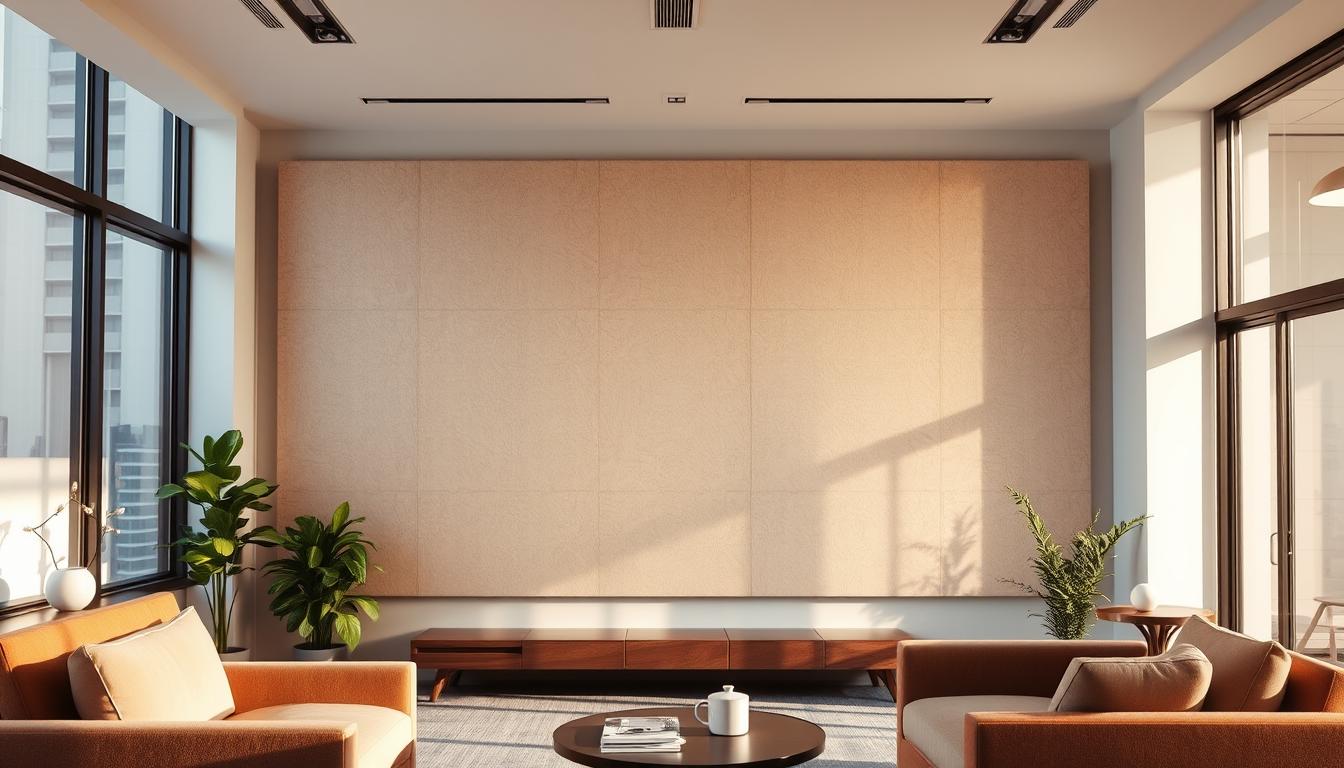
Real World Applications and Examples
In offices, excessive noise can lead to decreased productivity and higher stress levels. One company installed acoustic panels on the wall ceiling of their open-plan workspace. Employees reported improved focus and fewer distractions. The panels absorbed sound waves, reducing echoes and creating a quieter environment.
Restaurants face similar challenges. Background noise levels above 50 decibels can make conversations difficult. A popular dining spot used fabric-wrapped panels to address this issue. The result? Patrons enjoyed a more comfortable dining experience, and the restaurant saw an increase in repeat business.
Here are some practical tips for optimizing acoustics:
- Assess room size to determine the number of panels needed.
- Place panels on the wall ceiling for maximum sound absorption.
- Use art-wrapped panels to blend functionality with aesthetics.
Innovative ideas can make a significant difference. For example, a tech startup used modular panels to create flexible meeting spaces. These panels could be rearranged based on room size and layout, ensuring optimal sound control in any configuration.
By addressing noise issues, businesses can create environments that enhance productivity and customer satisfaction. Whether it’s an office or a restaurant, proper acoustic treatments are a smart investment.
Integrating Aesthetics into Acoustic Solutions
Acoustic panels don’t have to stand out to make a difference in your space. With the right design, they can blend seamlessly into your décor while improving sound quality. Balancing functionality with visual appeal ensures your space looks as good as it sounds.
Color Matching and Camouflage Techniques
One common issue is how to integrate panels without disrupting your interior design. Color matching is a simple yet effective solution. By choosing panels that match your walls or ceilings, you can camouflage them while maintaining their functionality.
For example, in a modern office, panels painted to match the wall color create a cohesive look. This approach ensures the panels absorb sound without drawing attention. Another technique is using art-wrapped panels, which double as decorative pieces.
“The key is to make acoustic treatments part of the design, not an afterthought,” says an interior designer.
Here’s a quick guide to camouflage techniques:
- Match panel colors to walls or ceilings for a seamless look.
- Use art-wrapped panels to blend functionality with aesthetics.
- Install panels in areas where they naturally fit, like above furniture.
Addressing Common Design Issues
When integrating panels, you might face issues like uneven spacing or mismatched colors. Proper planning helps avoid these problems. Measure your space and order panels that align with your design goals.
For instance, in a home theater, panels should be evenly distributed to ensure balanced sound absorption. Using a mix of wall and ceiling panels can enhance both acoustics and visual appeal.
| Issue | Solution |
|---|---|
| Mismatched Colors | Choose panels that match your existing décor. |
| Uneven Spacing | Measure your space and plan panel placement in advance. |
| Obtrusive Design | Use art-wrapped or color-matched panels for a seamless look. |
By addressing these issues, you can create a space that’s both functional and visually appealing. Whether it’s an office, restaurant, or home, integrating aesthetics into acoustic solutions ensures optimal performance without compromising design.
Selecting the Right Materials for Sound Dampening
Choosing the right materials is essential for effective sound control in any space. The materials you select directly impact how well your panels work to reduce noise and improve acoustics. Understanding the properties of these materials ensures you meet your panel need for optimal performance.
Materials with high density and porosity are ideal for sound absorption. For example, fiberglass and foam panels are popular choices due to their ability to trap sound waves. These materials work by converting sound energy into heat, reducing noise levels significantly.
When evaluating your panel need, consider the Noise Reduction Coefficient (NRC) of the material. Higher NRC ratings indicate better sound absorption. For instance, EcoVerb Acoustic Panels have an NRC rating of up to 1.15, making them highly effective for noise control.
Here’s a comparison of common materials and their properties:
| Material | NRC Rating | Best Use |
|---|---|---|
| Fiberglass | 0.75 – 1.0 | Offices, Studios |
| Acoustic Foam | 0.85 – 1.0 | Home Theaters, Recording Rooms |
| Wood Fiber | 0.70 – 0.85 | Restaurants, Classrooms |
Environmental factors also play a role in material selection. For example, in humid areas, moisture-resistant materials like polyester fiber are ideal. These materials work effectively without degrading over time.
By focusing on material properties and performance metrics, you can ensure your panels work efficiently. Whether it’s an office, restaurant, or home, selecting the right materials is key to achieving superior sound dampening.
Measuring Sound Levels and Acoustic Performance
Accurate measurement of sound levels is critical for optimizing acoustic performance in any space. Without proper assessment, it’s challenging to address issues like noise pollution or poor speech clarity. Tools and techniques designed for this purpose ensure your environment meets desired acoustic standards.
Tools and Techniques for Accurate Assessment
Sound Pressure Level (SPL) meters are essential for measuring decibel levels. These devices provide real-time data, helping you identify areas with excessive noise. For example, classrooms often average 65 decibels, but levels above 70 can impair hearing. Using an SPL meter ensures your environment stays within safe limits.
Assessing reverberation is equally important. Reverberation Time (RT) measures how long sound lingers in a space. High RT values indicate poor acoustics, making conversations hard to follow. Tools like acoustic analyzers help calculate RT, guiding you in selecting the right materials for sound absorption.
Environmental factors like room size and material types also influence acoustic performance. For instance, large spaces with hard surfaces often have higher reverberation. Measuring these factors ensures your solutions are tailored to the specific needs of your environment.
Here’s a breakdown of key tools and their uses:
| Tool | Purpose |
|---|---|
| SPL Meter | Measures decibel levels in real-time. |
| Acoustic Analyzer | Calculates Reverberation Time (RT). |
| NRC Tester | Evaluates material sound absorption. |
Practical advice for self-assessment includes placing SPL meters at ear level and testing multiple areas in a room. This ensures comprehensive data collection. For reverberation analysis, focus on spaces where sound clarity is critical, like meeting rooms or classrooms.
By using these tools and techniques, you can create a balanced acoustic environment. Accurate measurements lead to informed decisions, ensuring your space is both functional and comfortable.
Understanding Sound Absorption vs Soundproofing
When tackling noise issues, knowing the difference between sound absorption and soundproofing is crucial. Both methods address noise but serve distinct purposes. Understanding their unique applications helps you choose the right solution for your space.
Key Differences and Applications
Sound absorption focuses on reducing echoes and improving clarity within a room. Materials like fiberglass panels absorb sound waves, preventing them from bouncing off walls. This method is ideal for spaces like offices or studios where clear communication is essential.
Soundproofing, on the other hand, blocks noise from entering or leaving a space. It uses dense materials like mass-loaded vinyl to stop sound transmission. This approach is perfect for apartments or home theaters where external noise is a concern.
Here’s a breakdown of their differences:
| Aspect | Sound Absorption | Soundproofing |
|---|---|---|
| Focus | Reduces echoes and improves clarity. | Blocks noise transmission. |
| Materials | Fiberglass, foam, acoustic panels. | Mass-loaded vinyl, dense insulation. |
| Applications | Offices, studios, restaurants. | Apartments, home theaters, recording rooms. |
Practical examples illustrate their uses. In an office, sound absorption panels on walls reduce echoes, enhancing focus during meetings. In a home theater, soundproofing materials in walls block external noise, ensuring an immersive experience.
Understanding these differences is critical. It ensures you select the right treatment for your acoustic needs. Whether you need to improve clarity or block noise, the right solution makes all the difference.
Practical Tips for Acoustic Panel Design
Designing acoustic panels effectively requires balancing performance and aesthetics. Whether you’re working on an office, studio, or home, the right layout and shape can make a significant difference. Here’s how to optimize your design for both functionality and visual appeal.
Expert Advice for Optimized Layouts
Experts recommend covering at least 15-30% of wall surfaces for effective sound absorption. Larger or noisier spaces may require more coverage. For example, rectangular rooms with hard surfaces often benefit from panels placed at first reflection points.
The shape of panels also matters. Rectangular panels are ideal for formal spaces like offices, while curved or circular designs add fluidity to dynamic environments. Combining different panel types, such as bass traps and diffusers, ensures comprehensive sound control.
- Mount panels at ear level for maximum impact in offices and meeting rooms.
- Use bass traps in corners to address low-frequency buildup.
- Space panels evenly to avoid clustering and ensure uniform sound absorption.
Cost-Effective Strategies
Creating an acoustic-friendly space doesn’t have to break the bank. DIY solutions, like building panels with Owens Corning 703 insulation, can save costs. For example, materials for two 2’x4′ panels cost around $41.98 plus tax.
Another budget-friendly option is using Roxul Mineral Wool, which is $15 cheaper than Owens Corning 703 for the same dimensions. Fabric from Joann Fabric, with a 50% off coupon, can further reduce expenses.
Here’s a cost comparison of materials:
| Material | Cost | Best Use |
|---|---|---|
| Owens Corning 703 | $41.98 (for two panels) | Offices, Studios |
| Roxul Mineral Wool | $26.98 (for two panels) | Home Theaters, Recording Rooms |
| Joann Fabric | $50 (for 14 panels) | Restaurants, Classrooms |
By focusing on shape, layout, and cost-effective materials, you can create a space that’s both functional and visually appealing. Proper planning ensures your acoustic panels deliver optimal performance without compromising your budget.
Case Studies and Success Stories
From restaurants to studios, acoustic solutions have proven their effectiveness in diverse settings. Real-world examples demonstrate how proper installation meets your need for improved acoustics, transforming noisy spaces into functional environments.
Restaurants: Enhancing Dining Experiences
In a bustling restaurant, background noise levels often exceed 50 decibels, making conversations difficult. One popular dining spot installed fabric-wrapped panels, reducing echoes and improving speech clarity. Patrons reported a more comfortable dining experience, and the restaurant saw a 20% increase in repeat business.
Key lessons from this case study:
- Panels should be placed at ear level for maximum impact.
- Fabric-wrapped panels blend functionality with aesthetics.
- Proper coverage (15-30% of wall space) ensures effective sound absorption.
Offices: Boosting Productivity
An open-plan office faced challenges with excessive noise, leading to decreased focus and higher stress levels. After installing acoustic panels on walls and ceilings, employees reported improved concentration and fewer distractions. The panels absorbed sound waves, reducing echoes and creating a quieter environment.
Best practices for office installations:
- Use panels with high NRC ratings for better absorption.
- Evenly distribute panels to prevent sound reflection.
- Combine wall and ceiling panels for comprehensive coverage.
Studios: Perfecting Sound Quality
A recording studio struggled with lateral echoes and poor sound clarity. By installing rectangular panels on walls and bass traps in corners, the studio achieved balanced acoustics. The result? Clearer recordings and satisfied clients.
Key takeaways for studios:
- Target first reflection points for optimal placement.
- Use bass traps to address low-frequency buildup.
- Combine different panel types for comprehensive sound control.
| Environment | Challenge | Solution | Outcome |
|---|---|---|---|
| Restaurant | High background noise | Fabric-wrapped panels | Improved speech clarity, increased repeat business |
| Office | Excessive noise, low focus | Wall and ceiling panels | Higher productivity, reduced stress |
| Studio | Lateral echoes, poor clarity | Rectangular panels, bass traps | Clearer recordings, satisfied clients |
“Proper acoustic treatments can transform any space, from noisy restaurants to echo-prone studios. The key is understanding the specific need and addressing it with the right solution.”
These case studies highlight the range of environments where acoustic panels have made a significant difference. By learning from these examples, you can apply best practices to meet your own acoustic need and create a more comfortable, functional space.
Conclusion
Creating a quieter, more focused environment starts with strategic acoustic solutions. Proper placement of panels ensures they absorb sound waves effectively, reducing noise and improving clarity. Exposed installations outperform hidden ones, delivering optimal performance in any space.
Benefits include enhanced productivity, reduced stress, and better communication. Challenges like obstructed panels can be avoided by mounting them directly in the path of sound waves. Practical tips, such as even distribution and material selection, ensure maximum efficiency.
Consider implementing these strategies in your space today. Start by assessing noise levels and planning panel placement. For professional guidance, explore advanced acoustic solutions tailored to your needs. A quieter, more functional environment is within reach.
FAQ
What are sound dampening panels used for?
Sound dampening panels reduce noise and improve acoustics by absorbing sound waves. They are ideal for spaces like offices, restaurants, and studios to minimize echo and enhance comfort.
How do sound waves interact with acoustic panels?
Sound waves hit the panels and are absorbed rather than reflected. This reduces reverberation and echo, creating a quieter and more balanced environment.
Where should I place acoustic panels for the best results?
Place panels on walls or ceilings where sound reflection is strongest. Avoid placing them under furniture or obstructions to ensure maximum effectiveness.
Can acoustic panels be hidden without losing performance?
Yes, panels can be camouflaged using color matching or design techniques. However, ensure they remain exposed enough to absorb sound effectively.
What’s the difference between sound absorption and soundproofing?
Sound absorption reduces echo and improves acoustics within a space. Soundproofing blocks noise from entering or leaving a room entirely.
How do I choose the right material for sound dampening?
Look for materials with high noise reduction coefficients (NRC), such as foam, fiberglass, or fabric-wrapped panels. The choice depends on your space and aesthetic needs.
Can acoustic panels improve office or restaurant environments?
Absolutely. Panels reduce background noise, enhance speech clarity, and create a more comfortable atmosphere for employees and customers alike.
How do I measure the effectiveness of acoustic panels?
Use tools like sound level meters or apps to assess noise reduction and reverberation time before and after installation.
Are there cost-effective strategies for acoustic panel design?
Focus on high-impact areas like walls near desks or tables. Use panels in strategic locations rather than covering entire surfaces to save costs.
Can acoustic panels blend with my space’s design?
Yes, panels come in various colors, shapes, and sizes. You can customize them to match your decor while maintaining their functional benefits.